History of Skiing

FrancesLCE5

29 December 2025

No Comments

History of Skiing

The following academic review looks at the history of skiing, tracing its roots from before 4,000 BCE, to the present day:


The Ancient Roots and History of Skiing


Early variations of skiing as we know it today can be traced back to before 4,000 BCE, where rock carvings (petroglyphs) at Rodoy in Northern Norway, show human figures gliding on elongated planks that had upturned tips, depicting an ancient ski (Fry, 2006; Huntford, 2008). These carvings also show the use of a single long pole, a technique that predates today’s use of two poles and was used for many centuries by the Sámi people for centuries (Huntford, 2008). It was not just Norway however that demonstrates ancient origins of skiing. Wooden skis have been found preserved in bogs across Scandinavia and Russia, dating back to similar times (4,000 BCE). The Kalvträsk ski from Sweden is dated to around 3200 BCE, and similar finds in Siberia and Finland reinforce the idea that skiing was a widespread adaptation in snowy, frozen terrains (Huntford, 2008; Høeg, 1952). Huntford (2008) elaborates on how these early skis were often constructed from a single piece of wood, sometimes with fur attached to provide traction, and were integral to survival for hunting and transport in harsh winter climates. A similar principle to modern day randonee skiing and skis with ‘skins’ to aid walking (flat and uphill). Russian archaeological sites have also found and identified fragments of ancient skis and even early illustrations on artifacts. This suggesting wide spread use of skis across Europe and Asia (Fry, 2006; Høeg, 1952). Such examples highlighting the ingenuity and adaptability of these ancient people in their harsh, snowy, landscapes.
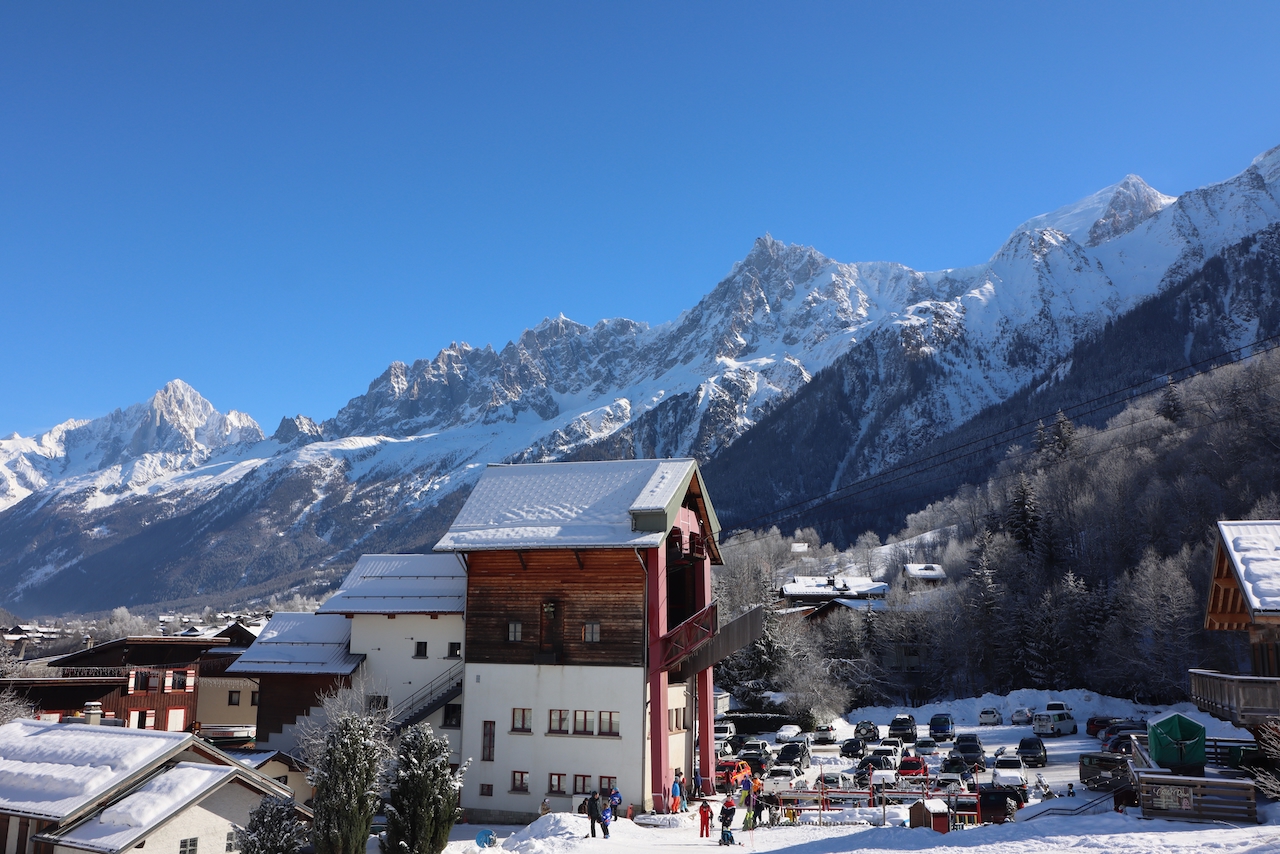
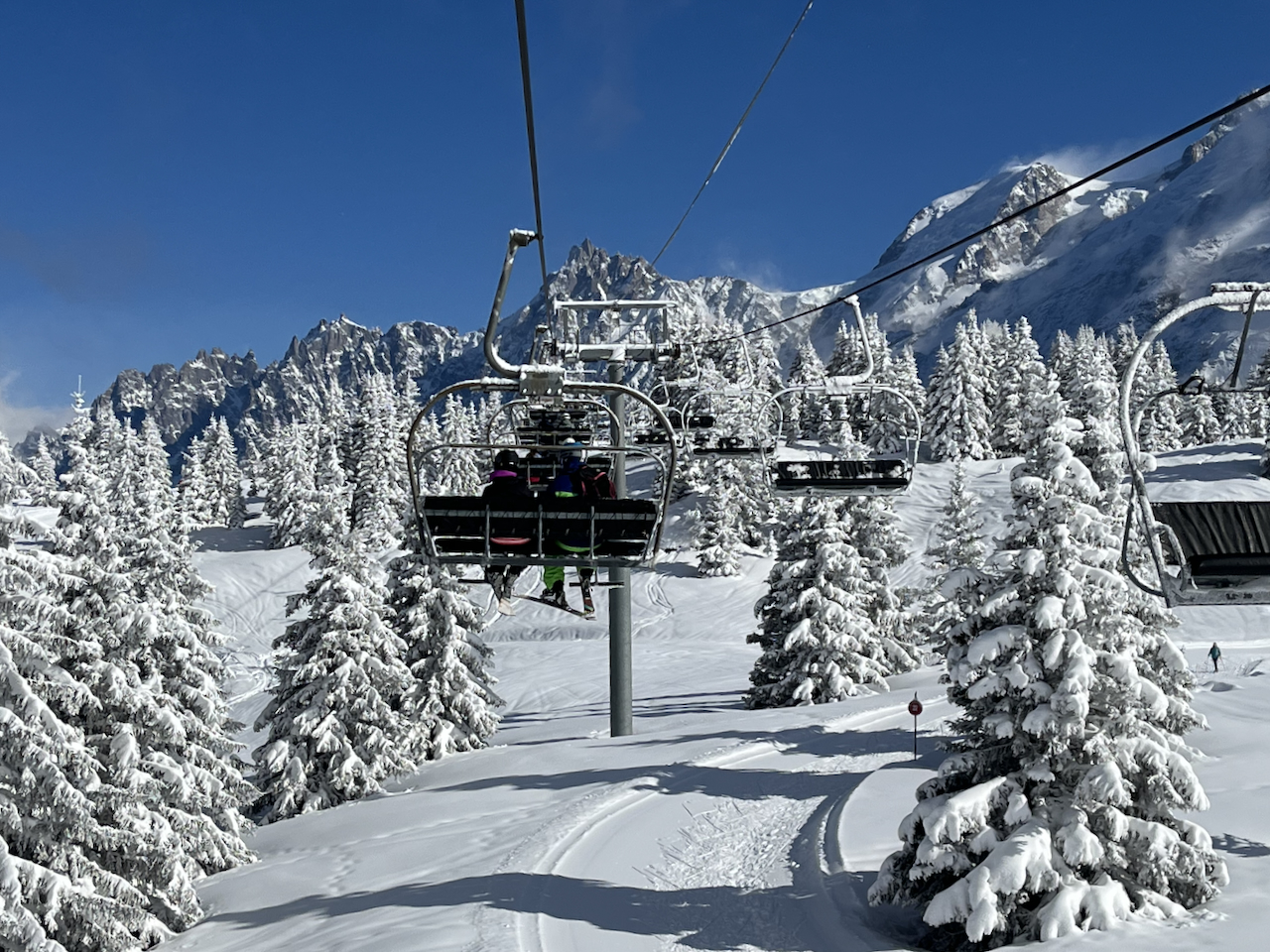
Chamonix Ski Lift Opening - Bellevue lift, Les Houches
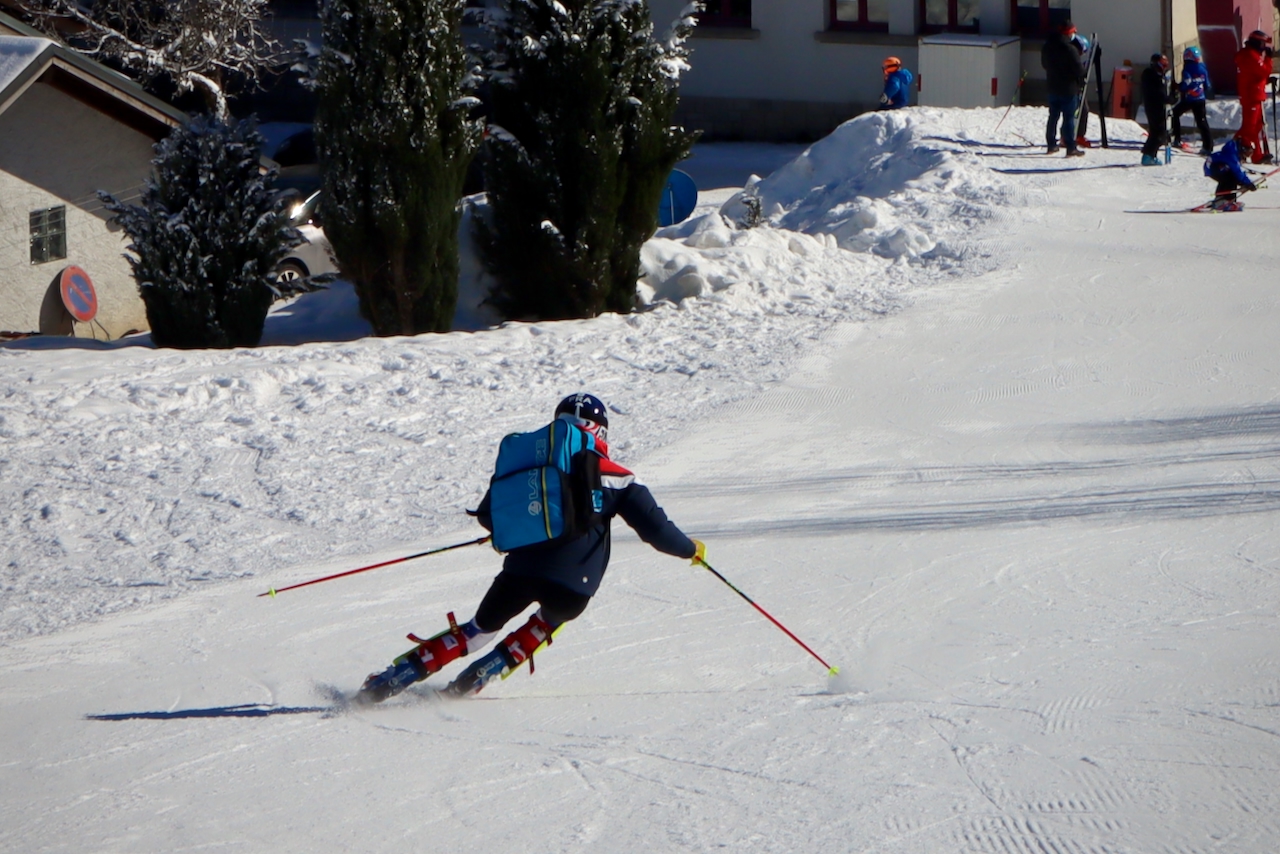
Skier carving down the slope near Bellevue, Les Houches, after ski training, demonstrating precision and skill on the snow-covered terrain.

History of Skiing From Utility to Recreation


It wasn’t until the 19th Century that skiing started to evolve from a vital mode of winter travel to a sport and cultural application. Norway being one of the early pioneers, who started to ski for recreation and competition. This is evidenced by the first recorded ski race that took place in Tromsø in 1843, marking the transition from utility to sport and recreation(Fry, 2006; Huntford, 2008). This pioneering event was followed by the establishment of the famous Holmenkollen Ski Festival in Oslo in 1892, which became a cornerstone for competitive Nordic skiing and attracted international attention (Lund, 2017; Fry, 2006).


History of Telemark Skiing


Cultural exchanges saw the spread of skiing beyond Scandinavia, although the introduction of the cambered ski, curved upward in the centre to distribute weight more evenly, originated in Telemark. Sondre Norheim being accredited as the founder of modern skiing the designer. Norheim not only credited with introducing the cambered ski, but also a flexible bindings that helped enable and pioneer the Telemark turn. Experienced skiers will be aware of this traditional, flexed binding, downhill approach, characterised by a bent knee and a lunging motion up and down. At the time, this was revolutionary, allowing skiers greater control and agility in turns on slopes. These innovations spreading rapidly across Norway and subsequently worldwide (Fry, 2006; Huntford, 2008; Lund, 2017). Today, Telemark skiing endures both as a recreational discipline and a tribute to the sport’s Nordic roots.


Introduction of Fixed Ski Binding and Metal Edges on Skis


The 20th century saw a rapid expansion of skiing’s popularity, technological advancements such as cambered skis and metal edges, and the sport’s inclusion in the Winter Olympic Games (Fry, 2006; Huntford, 2008). The development of secure, fixed bindings and, later, metal ski edges in the late 19th, and early 20th century further enhanced control and safety, enabling skiers to tackle steeper Alpine slopes (Fry, 2006; Allen, 1993). Austrian Mathias Zdarsky being credited with developing one of the first fixed metal ski bindings, the Lilienfelder Stahlsohlenbindung in around 1890. This was a steel-based design that firmly secured the boot to the ski and significantly enhanced downhill control, thus helping to transform downhill skiing into an alpine sport we know today (Fry, 2006; Huntford, 2008). This contrasted to earlier bindings that consisted primarily of simple leather straps or, as in the case of Sondre Norheim’s mid-19th-century innovations in Nordic skiing, heel-lifting loops that improved manoeuvrability but did not fully anchor the heel to the ski (Fry, 2006; Lund, 2017).

History of Ski Tourism and the Winter Olympics


In the late 19th and early 20th Century the European Alps started to emerge as the epicentre for Alpine (downhill) skiing. The resort town of St. Moritz in Switzerland was among the first to welcome tourists for winter sports, opening its doors in the late 19th century (Huntford, 2008). St. Moritz not only offered luxury ski accommodation and purpose-built facilities, but also hosted groundbreaking events such as the first European downhill and slalom races in the 1920s (Lund, 2017). Other early resorts, including Chamonix in France and Kitzbühel in Austria, were also pioneering ski tourism and events. The first winter Olympics being held in Chamonix Mont-Blanc in 1924 featuring Nordic events such as cross-country, ski jumping, and the Nordic combined (International Olympic Committee [IOC], n.d.; Fry, 2006). Although Alpine (downhill) skiing didn’t make its Olympic debut until the 1936 Winter Games in Garmisch-Partenkirchen, Germany, with a combined event of downhill and slalom disciplines (IOC, n.d.; Huntford, 2008).


Ski Resorts Develop New Infrastructure to Meet Growing Demand


As skiing started to increase in popularity, advancements in infrastructure and technology were needed to increase access for visitors and locals alike. Subsequently, in 1934, the first ski lift was introduced in Davos, Switzerland. A ‘J’ bar drag-lift, the concept being still used today in the form of button-lifts, and T-bars. This innovative invention was quickly followed by the first, suspended, chairlift in Sun Valley, Idaho in 1936, engineered byJames Curran. These significant steps forward in uplift capability spearheading  the proliferation of purpose-built ski resorts worldwide (Fry, 2006; Huntford, 2008).

La Tour Ski Lift
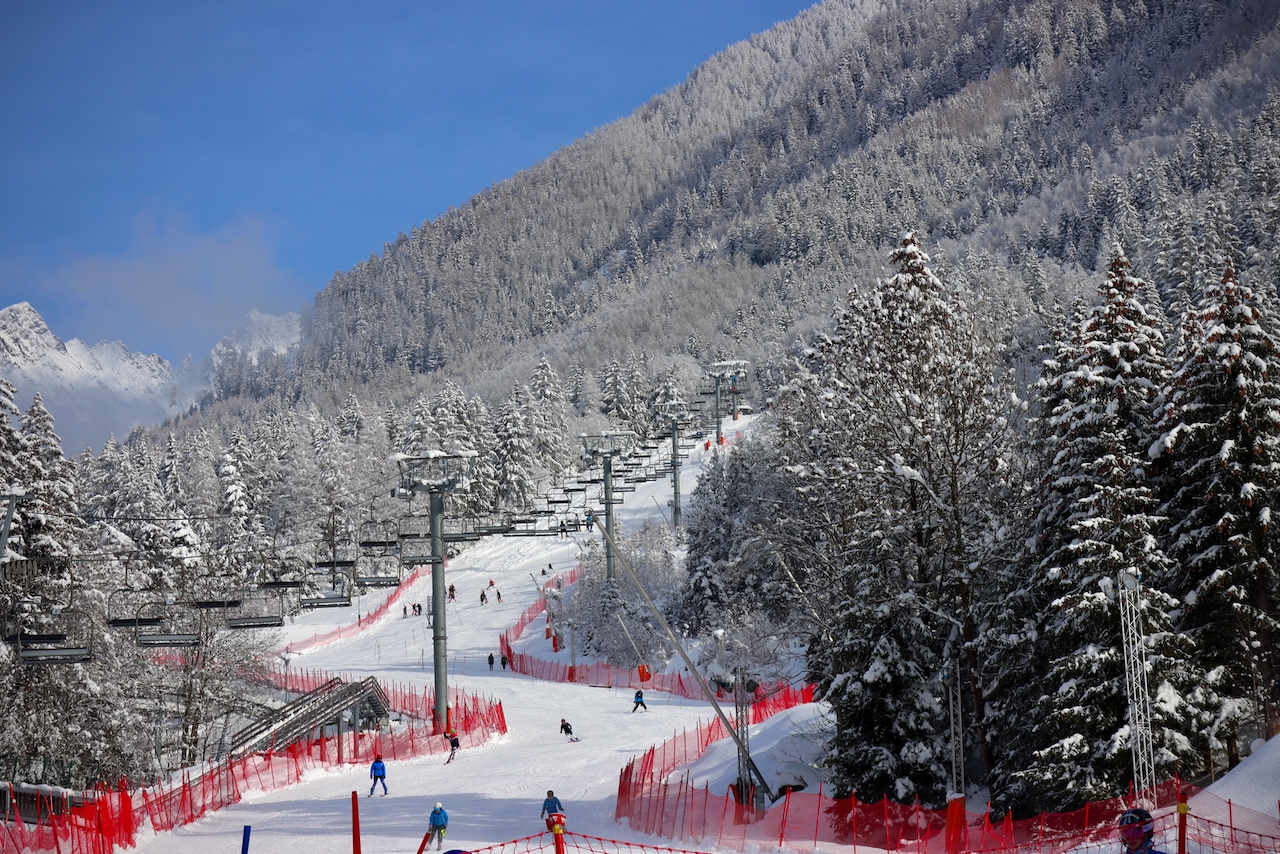
Chamonix Ski Lifts

Post-War History of Skiing


The post-war history of skiing, from the 1950s onward was truly transformative for a number of reasons. Driven by rapid advancements in both equipment and infrastructure, the technological and social demographic changes democratised access and elevated performance. Technological developments and innovation in ski manufacturing led to the widespread adoption of metal and, later, fibreglass and composite materials, replacing in some case the traditional wood and resulting in lighter, more durable, and responsive skis (Fry, 2006; Allen, 1993). The introduction of the “safety binding,” such as the Look Nevada and Marker bindings, dramatically reduced injury risk by allowing controlled release during falls (Fry, 2006), and boots also evolved from leather to rigid plastic, vastly improving skier control and comfort (Huntford, 2008).


Parallel to equipment innovation, ski resort infrastructure underwent sweeping modernisation. The installation of high-capacity chairlifts, gondolas, and eventually high-speed detachable lifts revolutionised the skier experience, drastically reducing wait times, uplift speeds and capacity, and making previously remote terrain accessible (Lund, 2017). Snowmaking technology, first commercialised in the 1950s, became ubiquitous by the late 20th century, enabling resorts to ensure consistent conditions and extend the ski season (Fry, 2006) and negate some of the impact of global warming on the ski industry.


The growth of purpose-built ski resorts, especially in North America and Europe, was complemented by the development of comprehensive support facilities such as ski schools, rental shops, après-ski amenities, and mountain rescue services (Allen, 1993; Fry, 2006). These changes fostered mass participation, diversified the skier demographic, and transformed skiing into a global, multi-billion-euro industry. Today, the sport continues to evolve with the advent of shaped “carving” skis, terrain parks, and digital technologies for resort management and safety (Fry, 2006; Lund, 2017).

From Luxury to Main Stream Tourism


The boom in skiing post 1980s, fuelled further with the emergence of more affordable travel options in the 2000s, profoundly transformed both the winter sports landscape and the tourism industry. In the 1960s and 1970s, skiing was predominantly seen as a luxury vacation accessible only to the wealthy elite. However, the introduction of packaged holidays in the 1970s and 1980s democratised the sport (González, 2019), attracting a much wider demographic of skiers. This shift led to a rapid increase in the number of participants (Müller, 2021), aided by enhanced disposable income and improved transportation infrastructure making skiing more accessible to the general public (Troxler, Roller, & Bandi Tanner, 2023). However, this shift also brought challenges, such as overcrowding at popular resorts and concerns over sustainability within the ski industry (Becker et al., 2020). Numerous purpose-built ski resorts were established in previously undeveloped areas to cope with the increase in demand, spurring economic growth in local communities. This development however also brought about significant cultural shifts and changes to the alpine environment (Franco, 2021).Thus, the growth of skiing during these decades illustrates the interconnectedness of economic, cultural, and environmental factors in shaping the modern winter sports landscape.

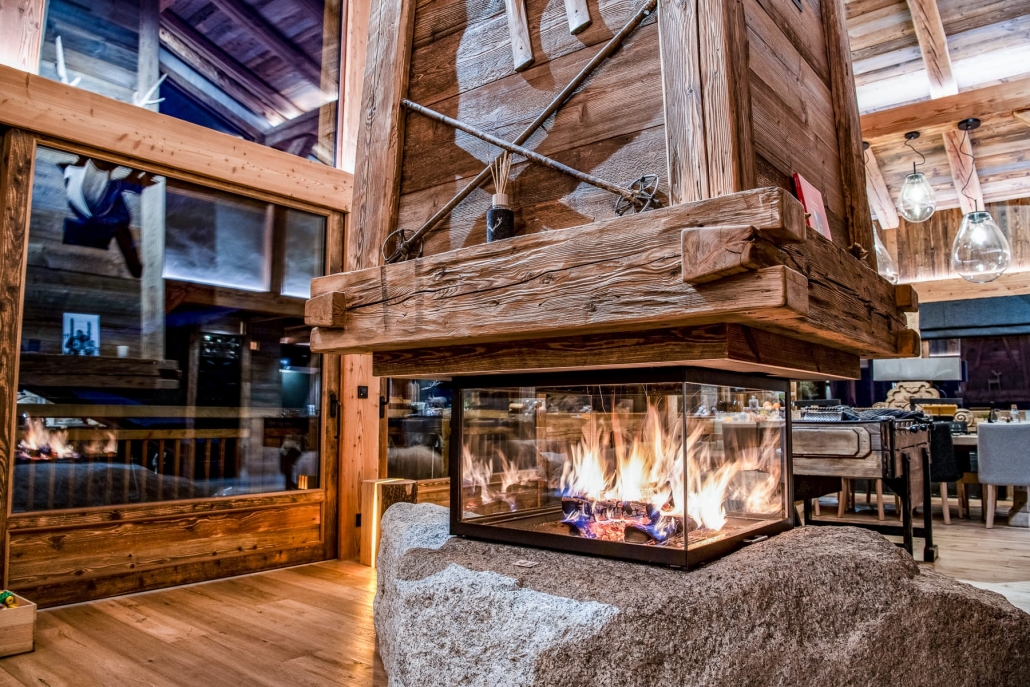
Luxury Chalet with log Fire
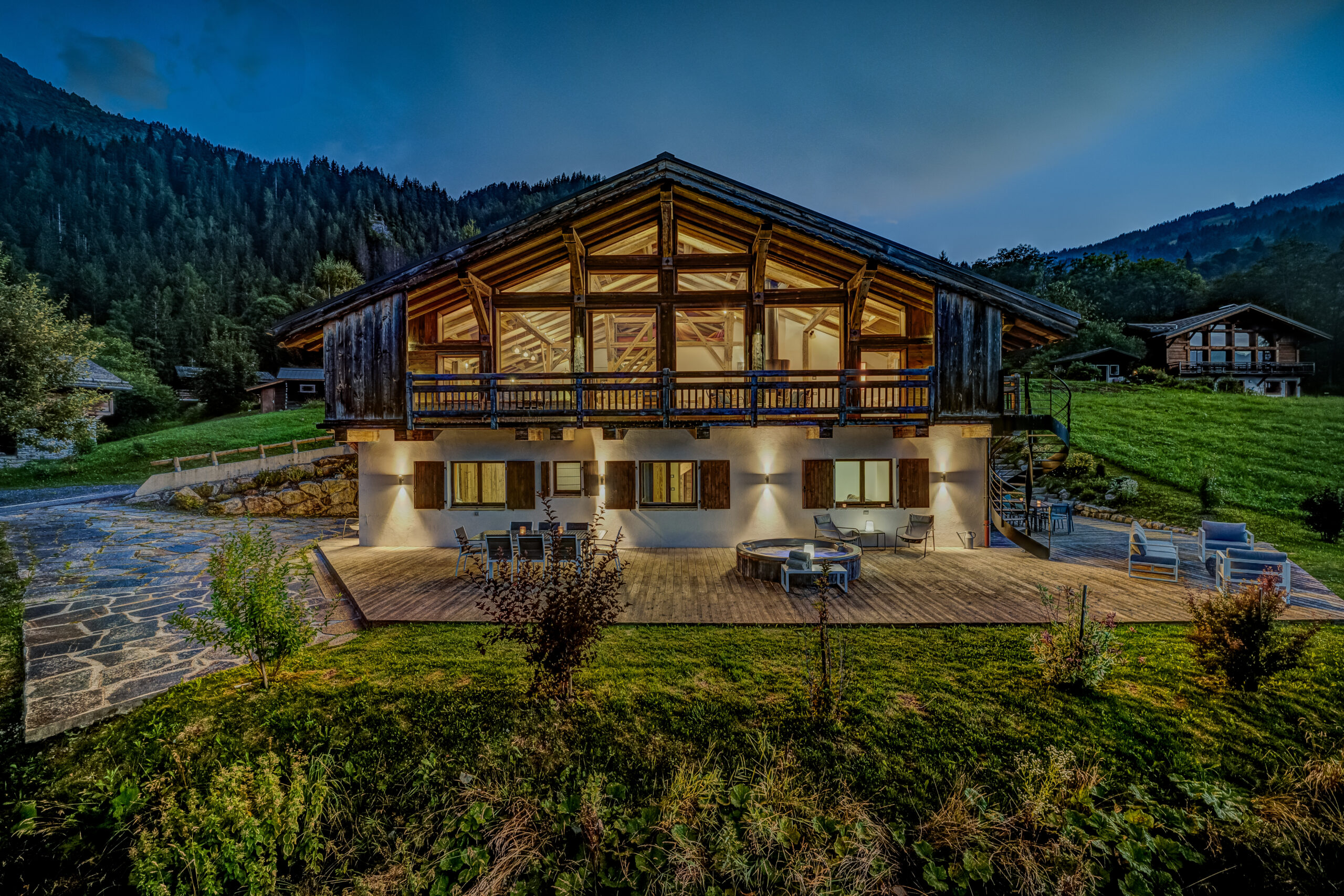
Chamonix Chalets

Summary of the History of Skiing


The history of skiing dates back over 6,000 years, with early evidence found in rock carvings in northern Norway depicting human figures on elongated planks, resembling primitive skis. These skis, crafted from single pieces of wood and sometimes outfitted with fur for traction, were essential for hunting and transportation in icy conditions. Similar artifacts have been discovered across Scandinavia and Russia, indicating that skiing was widespread in snowy terrains. In the 19th century, skiing transitioned from a practical means of travel to a recreational sport, with Norway at the forefront. The first recorded ski race took place in Tromsø in 1843, and the establishment of events like the Holmenkollen Ski Festival in 1892 solidified skiing’s status as a competitive activity.


Key innovations in skiing, such as the cambered ski and fixed bindings, revolutionized the sport. Sondre Norheim is credited with developing the Telemark turn and flexible bindings, enhancing control and maneuverability. The introduction of metal edges and secure bindings in the late 19th and early 20th centuries further transformed skiing into an alpine sport. By the late 19th and early 20th centuries, the European Alps became a hub for winter sports tourism, with resorts like St. Moritz, Chamonix, and Kitzbühel leading the way in offering luxury accommodations and hosting early ski competitions. This era marked a significant evolution in skiing from its utilitarian origins to a vibrant recreational and competitive sport enjoyed worldwide.


The history of skiing subsequently serves not just as a symbol of the development of a winter sport culture, but the adaptability and ingenuity of societies in the past in navigating snowy, often harsh landscapes, making it a deeply rooted tradition that continues to evolve, and we would suggest, should be conciously preserved.


Bibliography – History of Skiing


  • Allen, E. S. (1993). The skiing life: Skiing and the culture of modernity. University of Minnesota Press.
  • Delorme, F. (2014). Du village-station à la station-village: Un siècle d’urbanisme en montagne.
  • Formenti, F., & Minetti, A. E. (2007). Human locomotion on snow: Determinants of economy and speed of skiing across history. Journal of Experimental Biology, 210(14), 2412-2418. 
  • Franco, C. (2021). Environmental history and the history of tourism in the mountains: Winter sports resorts in the French-Italian Alps. Revue de géographie alpine / Journal of Alpine Research
  • Fry, J. (2006). The story of modern skiing. University Press of New England.
  • Høeg, O. A. (1952). Skis and skiing from the Stone Age to the birth of the sport. Gyldendal Norsk Forlag.
  • Huntford, R. (2008). Two planks and a passion: The dramatic history of skiing. Continuum.
  • International Olympic Committee. (n.d.). Chamonix 1924 Winter Olympics.
  • Knafou, R. (1978). Typologies of alpine resorts and tourism planning practices. SciELO.
  • Lund, M. (2017). The history of skiing. In Encyclopedia Britannica. 
  • Merlin, P., Woessner, N., & Bouron, L. (2000).
  • Troxler, P., Roller, M., & Bandi Tanner, M. (2023). The development of ski areas and its relation to the Alpine economy. *Swiss Journal of Economics and Statistics / CRED Research Paper. Springer


Other Research Articles You Might Enjoy

Exploring the definition of luxury and its evolution over the centuries and within different cultures.

We examine how European ski prices have changed over the years and decades and driving forces.

We explore the nuanced perception regarding luxury experiences, particularly related to ski holidays.

;