Ski Lift Pricing in Europe

FrancesLCE5

01 May 2025

No Comments

Historical Analysis of European Ski Lift Prices: Trends and Influences

1. Introduction


This article examines the historical evolution of ski lift prices in Europe from the mid-20th century to the present, and expected future trends and strategies.


Skiing has long been a popular winter sport in Chamonix and across the European Alps. Ski lift prices play a crucial role in shaping access to this sport. As we highlighted in our research article, Global Warming and Its Impact on Skiing, global warming has shortened ski seasons and subsequently affected the number of visitors in winter, and when they visit. Looking at these historical demand and price trends provides insight into the economic and social factors influencing the number of visitors and the anticipated demographic representation of the people visiting and skiing. It highlights key factors influencing demand, price changes, economic fluctuations, infrastructure development, and skiing demographics. The findings reveal significant trends and patterns that reflect broader environmental and European socio-economic conditions.

Ski Gondola, luxury chalet chamonix exclusive
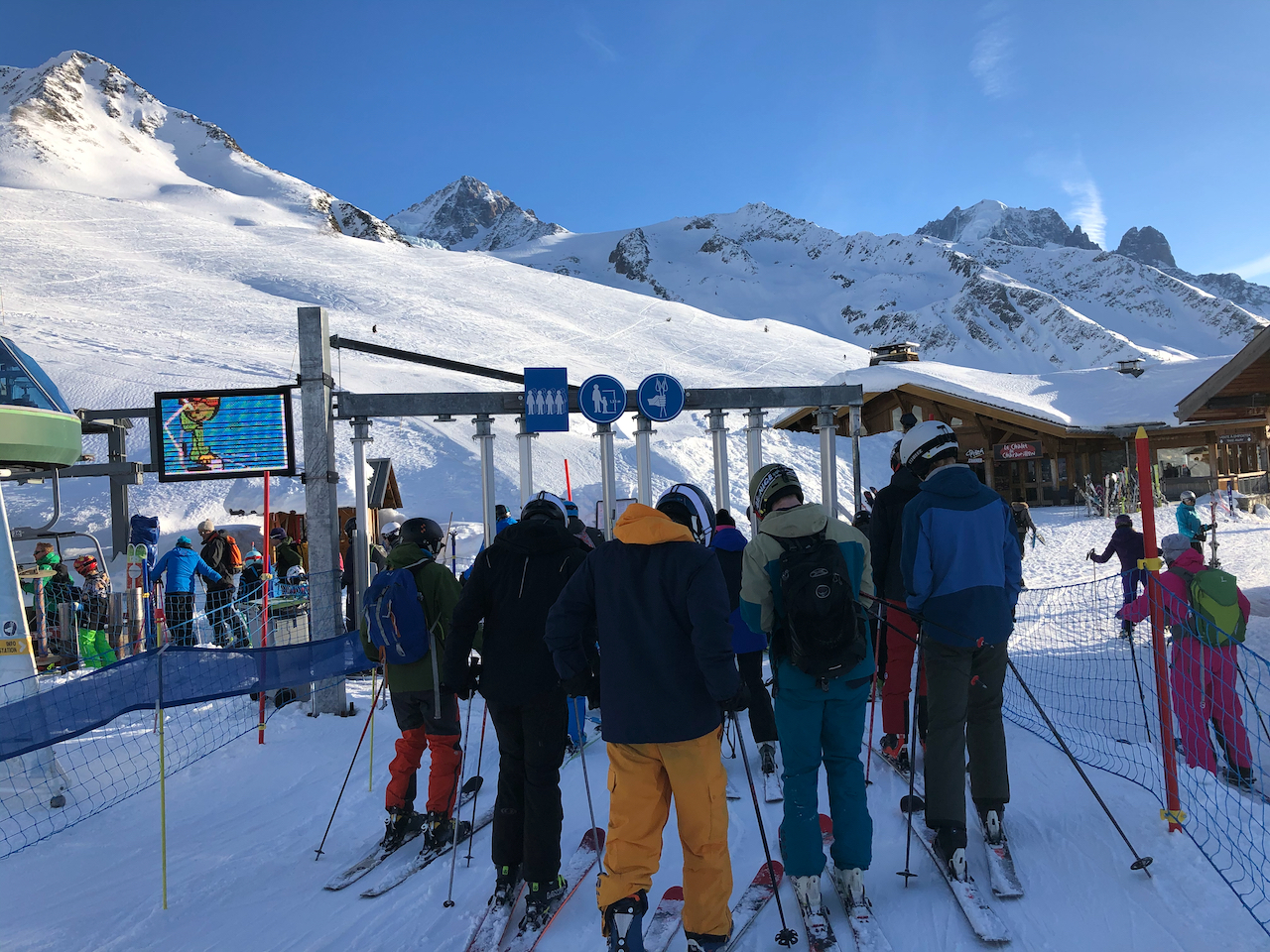
Skiers line up at the lift entrance in Le Tour, Chamonix Valley, ready for a day of skiing with a stunning mountain backdrop.

2. Historical Overview of Ski Lift Prices


Ski lift prices have experienced fluctuating trends influenced by various factors over the decades:

  • 1950s-1960s: The initial post-war economic boom led to the establishment of ski resorts and lifts, often at low prices. For instance, the average ski pass in the Swiss Alps during this period was around CHF 5-10 per day, adjusted for inflation (Swiss Ski, 1958).
  • 1970s-1980s: The introduction of high-speed lifts revolutionised the industry. Prices began to rise: a ski pass in popular resorts like Chamonix or Val d’Isère could reach up to CHF 30-40 by the late 1980s (Alpine Skiing Association, 1987).
  • 1990s-2000s: The economic environment shifted with the advent of budget airlines, leading to increased competition among ski resorts. Ski lift prices varied greatly, with some resorts keeping prices around CHF 30-50 while others increased them to circa CHF 60, depending on amenities and terrain (European Ski Resorts Report, 2000).
  • 2010-Present: The market experienced significant price hikes, with ski passes reaching CHF 70-90 in major resorts by the late 2010s. The trend in part reflected visitor demographics in premium resorts reflecting a greater level of affluence, seeking luxury ski holidays with more comprehensive experiences, including wellness facilities and gourmet dining. For instance, resorts like Verbier now charge upwards of CHF 100 for daily ski passes (Ski Resort Management, 2022).

 3. Factors Influencing Ski Lift Prices


The determinants of ski lift prices are complex, influenced by multiple interrelated factors:
  • Economic Factors: Inflation rates and changes in the disposable income of consumers correlate strongly with price adjustments. For example, during the 2008 financial crisis, many European ski resorts reduced prices by 10-15% to maintain attendance levels (OECD, 2010).
  • Technological Advancements: The shift from traditional chair lifts to high-speed gondolas is a primary factor in price increases. Initial costs for high-speed gondola installations average around €5 million, leading to a need for higher ticket prices to recoup investments (Hutter, 2018). The operational efficiencies also enable resorts to increase capacity, suggesting that higher ticket prices might reflect better service rather than solely increased costs.
  • Competition and Consumer Preference: As winter tourism evolves, the introduction of niche winter sports has diversified the market. For instance, ski resorts now offer snowboarding, snowshoeing, and even winter hiking, leading to varying lift pricing strategies and packages tailored to these activities (Müller & Sulliger, 2023). This diversification enables resorts to cater to a larger audience, impacting their pricing strategies.
  • Global Warming: Shortening the ski season duration in many ski resorts, particularly lower-altitude destinations.
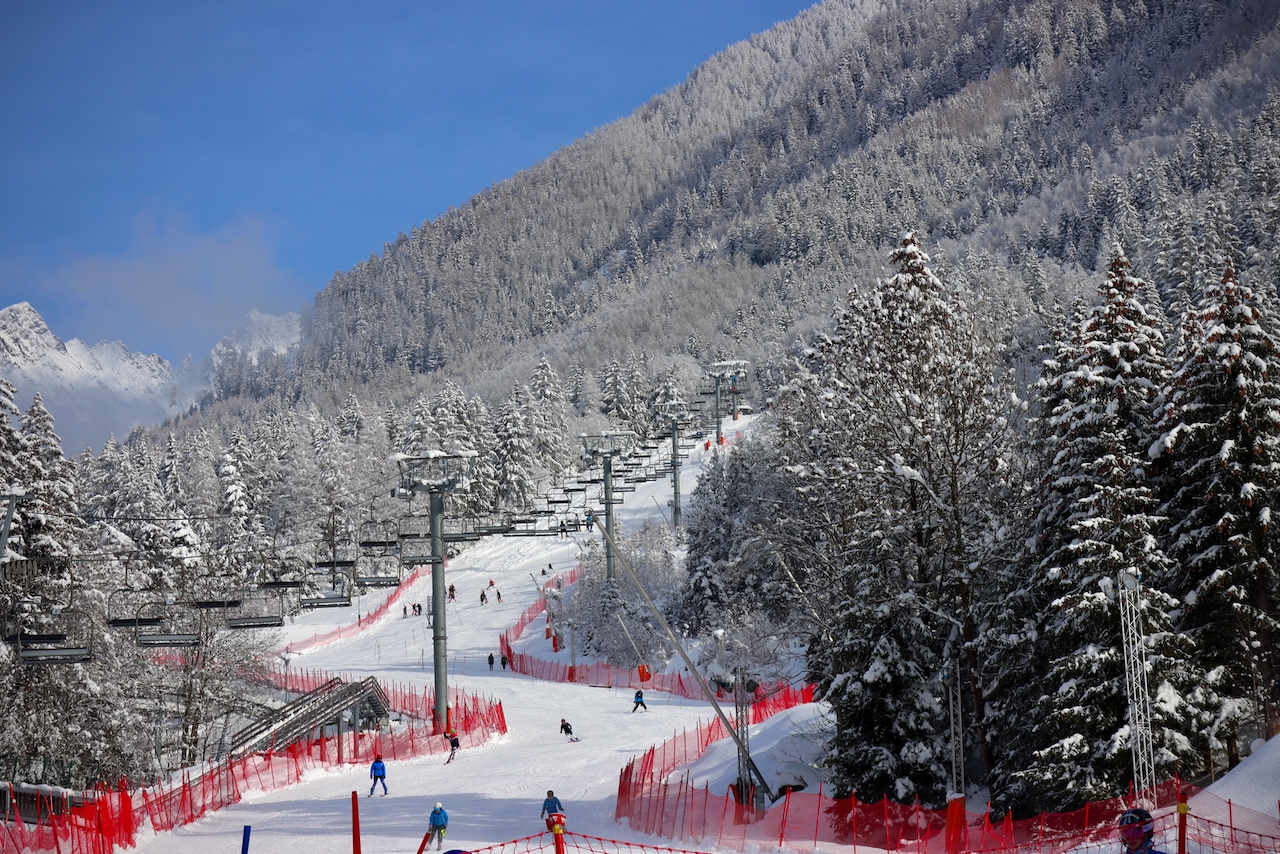
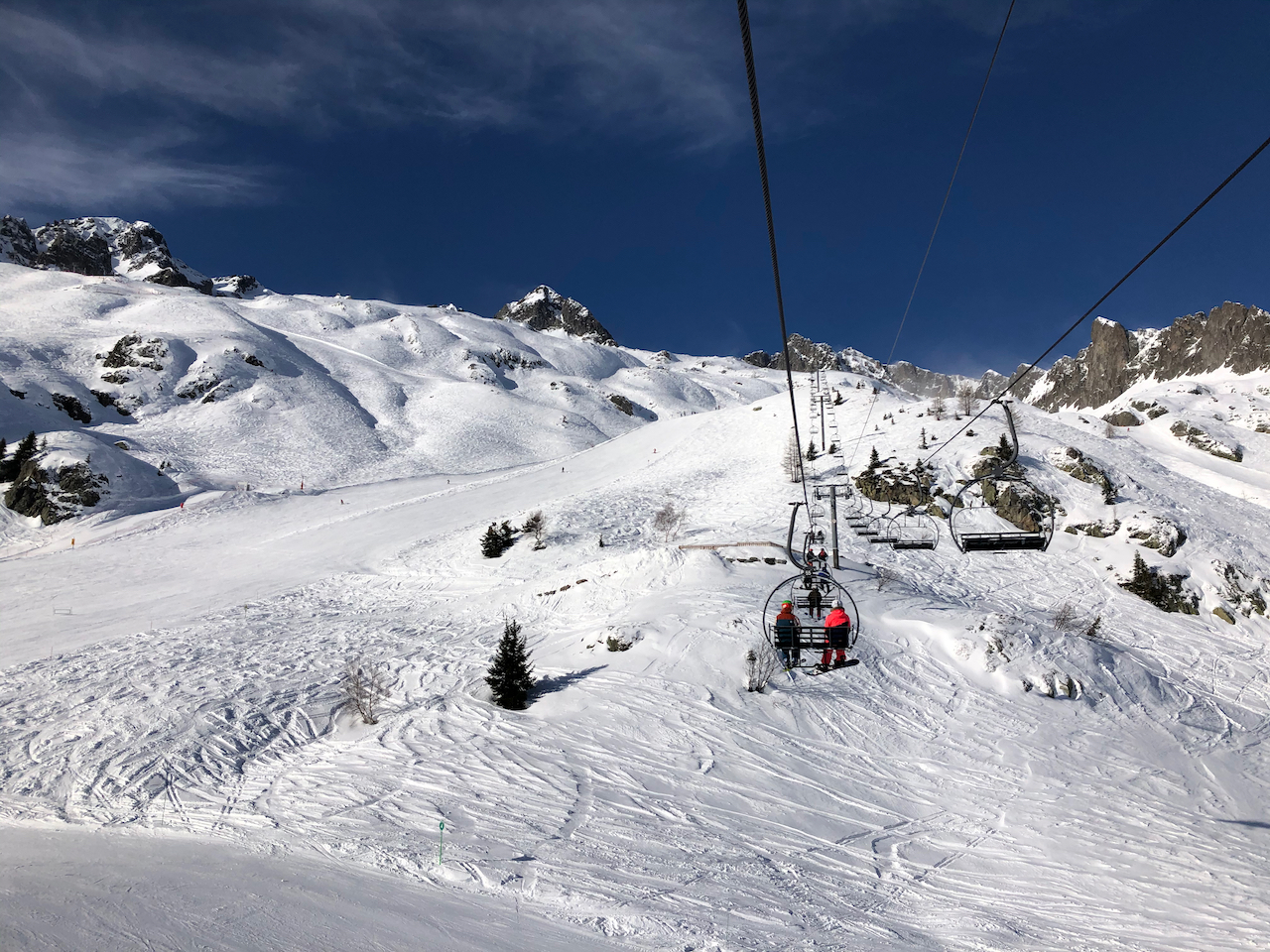
Snowy ski slope at Planards, Chamonix, lined with red safety nets and surrounded by frosty trees, with skiers and a chairlift ascending.
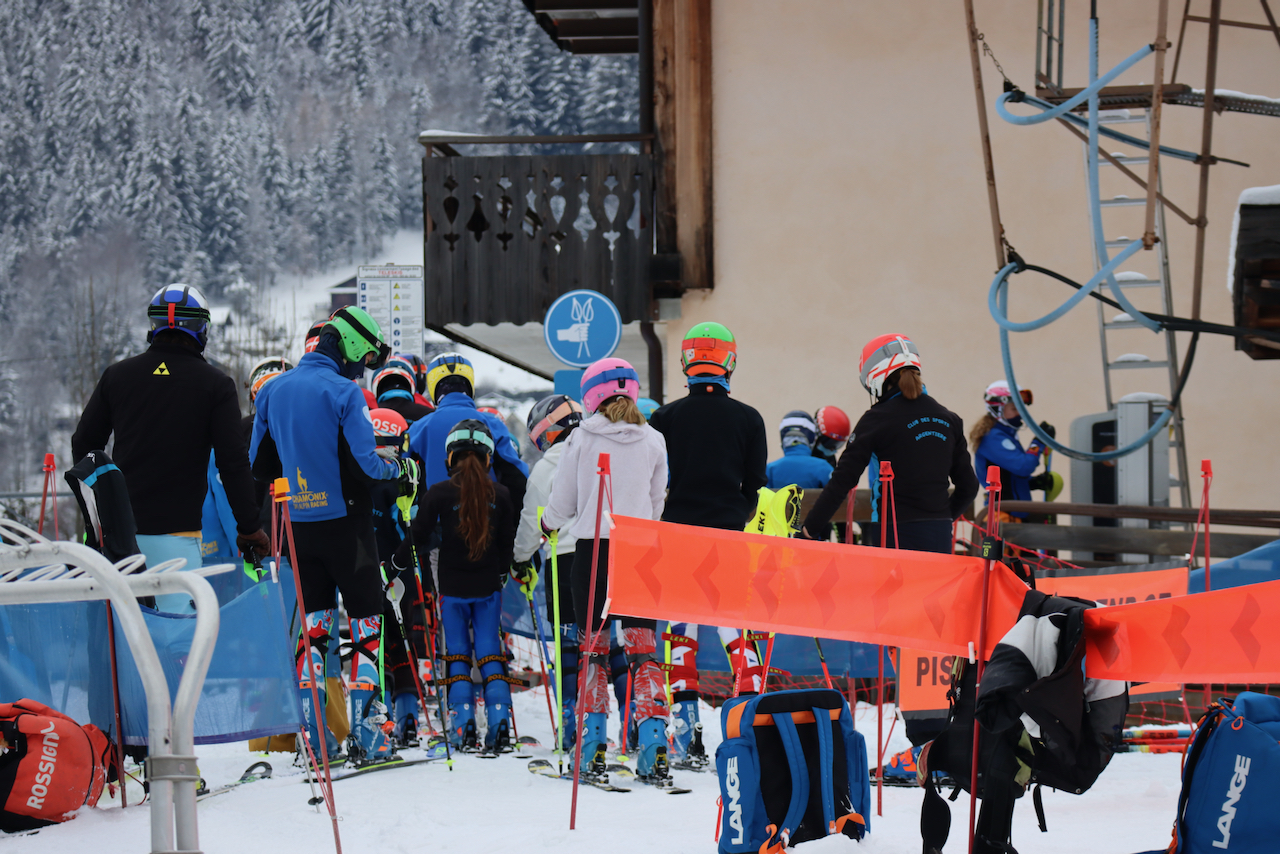
Skiers line up at the start of training, waiting for the ski lift to open. Ready for a day of intense practice on the slopes.

3.1 Global Warming’s Impact on the Ski Industry and Pricing


Global warming poses significant risks to winter sports, and its impact is increasingly evident in ski lift pricing and demand patterns:

  • Changing Snowfall Patterns: Studies indicate that many Alpine regions are experiencing a decrease in reliable snowfall, pushing ski operators to adapt pricing strategies to account for uncertain conditions. Research shows that the number of skiable days per season has declined by 20-30% in some areas since the 1980s (Mastrorillo et al., 2016).
  • Consumer Demand: Warmer winters have led to erratic skiing conditions, prompting a decline in participation rates. For instance, the number of skier visits in the French Alps decreased by approximately 12% between 2010 and 2020 due to unfavorable weather (Müller & Sulliger, 2023). Consequently, resorts have responded by lowering prices during shoulder seasons, offering discounts to attract skiers (Lundberg & Palm, 2020).
  • Adoption of Snowmaking Technologies: To mitigate the effects of climate change, many resorts have invested heavily in artificial snowmaking systems, which can cost upwards of €500,000 per kilometer of slope. These investments can lead to increased lift prices. For example, resorts relying on artificial snow reported daily pass prices rising by 10-15% as they recover costs for new systems (Hutter, 2018).
  • Shifts in Resort Popularity: Resorts in lower altitudes face greater threats from global warming, leading to a potential decline in their viability. In contrast, higher-altitude resorts are witnessing an increase in demand, allowing them to maintain or even increase lift prices. For instance, premium high-altitude resorts, such as Chamonix, Val d’Isere, Courchevel, Zermatt, et al, have benefited from their altitude. Zermatt, for example, raised prices from CHF 80 to CHF 95 from 2010 to 2023, in part due to its reputation for reliable snow conditions (Zermatt Tourism Report, 2023).


3.2 Future Outlook and Adaptation Strategies


Ski resorts, particularly low-altitude destinations, are beginning to adapt their business models in light of climate change. For example:

  • Diversification of Offerings: Many resorts are broadening their summer activities (e.g., mountain biking, hiking) to attract year-round visitors, thereby stabilising revenue regardless of winter conditions (OECD, 2021).
  • Sustainable Practices: There is a growing emphasis on sustainable operations, with resorts implementing energy-efficient practices and promoting eco-friendly tourism to mitigate the environmental impact of skiing. These practices may increase operational costs but attract environmentally conscious consumers willing to pay higher prices (European Economic Review, 2020).

4. Case Studies: Price Developments in Chamonix and Other Premium European Ski Resorts


The following compares ski lift prices in Chamonix and other premium ski resorts:

  • Chamonix, France: In 2022, the daily ski pass price reached €70, an increase from €60 in 2015 (note: €90 in 2025 for Mont Blanc pass). This increase correlates with investments in infrastructure and an enhancement of services offered, including expanded beginner areas (Chamonix Resort Administration, 2022).
  • Zermatt, Switzerland: Zermatt has one of the highest ski pass prices in Europe, fetching around CHF 95 for a one-day pass as of 2023. This price point reflects the resort’s continuous investment in high-quality lift systems and amenities (Zermatt Tourism Report, 2023).
  • St. Anton, Austria: The daily lift ticket rose from €53 in 2010 to €65 in 2023, reflecting broader trends in the region’s premium ski offerings and continued marketing efforts to attract affluent clients (St. Anton Ski School, 2023).
La Tour Ski Lift
Chairlift ascending Flegere’s snowy slopes in Chamonix, offering access to beginner areas and stunning Mont Blanc views for Chamonix Ski Holidays.

5. Findings


The analysis of historical ski lift prices in Europe reveals several key findings regarding the direction and evolution of the ski industry and the factors driving pricing strategies. Firstly, price trends have been closely intertwined with economic conditions, technological advancements, and environmental changes. From the low prices during the post-war boom to the substantial hikes seen in recent years, it is clear that both global and regional factors have significantly shaped the ski lift market. Secondly, technological innovations, particularly the shift to high-speed gondolas and enhanced infrastructure, have justified higher pricing structures in many ski resorts. While this has enabled resorts to offer improved services and experiences, it also reflects a redefinition of consumer expectations regarding amenities in the skiing experience. Furthermore, the impact of global warming has emerged as a critical factor influencing both demand and pricing. The decrease in reliable snowfall and the shortening of ski seasons are prompting resorts to adjust their strategies, including pricing models that account for variable skiing conditions. Additionally, the diversification of winter sports offerings indicates that resorts must adapt to changing consumer preferences while maintaining competitive pricing.

6. Conclusion and the Future Direction


As the ski industry continues to navigate the challenges posed by economic fluctuations, technological advancements, and the realities of climate change, resorts will need to adopt a proactive approach in their strategies. One size is unlikely to fit all, as the complex issues that reflect snow conditions and levels, visitor demographics, and existing, and future infrastructure will influence capability options.  These options will include:


6.1 Dynamic Pricing Models


Ski resorts implementing dynamic pricing strategies that adjust lift ticket prices based on real-time demand, weather conditions, and historical data. This has the potential to help optimise revenue and improve customer satisfaction by offering fair pricing during peak and off-peak times.


6.2 Investment in Sustainable Practices


To address the impacts of global warming, resorts must invest in sustainability initiatives, such as snow-making technology and energy-efficient systems. These investments can help ensure a more reliable ski season and appeal to environmentally conscious consumers.


6.3 Enhanced Marketing of Diverse Offerings


Ski resorts diversifying winter activities beyond traditional skiing, such as snowboarding, snowshoeing, and wellness retreats. Attracting a broader demographic and increase overall participation rates, which can help offset any declines caused by climate uncertainties.


6.4 Focus on Customer Experiences


As we highlighted in the research article, Luxury Experiences: An Exploration of its Evolving Nature, elevating the overall customer experience through amenities, services, and convenience reflects the growing demand in luxury vacations and has the potential to increase demand and justify higher prices. This can include offering luxury package experiences, integrating technology for seamless access, and providing exceptional hospitality services.


6.5 Monitoring and Research


Monitoring economic trends, technological advancements, and environmental conditions will be essential for effectively adapting pricing strategies. Engaging in research partnerships within the academic and tourism sectors can provide valuable insights, enabling resorts to stay ahead of industry trends. In conclusion, while the ski lift prices in Europe have seen substantial shifts influenced by many factors, the future presents challenges and opportunities. By adopting innovative pricing models, investing in sustainability, enhancing customer experiences, and diversifying offerings, ski resorts can effectively navigate the complexities of the market and ensure their long-term viability in an evolving landscape.


6.6 Pricing Strategies Chamonix-Mont-Blanc


Chamonix exemplifies the complexities and evolving nature of ski lift pricing in Europe, reflecting broader industry trends influenced by economic fluctuations, technological advancements, and environmental changes. As one of the most iconic ski destinations, Chamonix faces unique challenges, and while a high-altitude ski resort, it would be naive to ignore the potential future impact that global warming will have on its ski seasons.


6.6.1 Avoiding Complacency


To maintain its position as a premier resort, Chamonix will need to replicate other resorts and consider embracing innovative pricing strategies that respond to shifting demand and environmental conditions. Likewise, investing in sustainable practices, expanding its diverse winter offerings, and enhancing the overall guest experience will be crucial for attracting loyal customers and new visitors. By adapting to these changes and prioritising sustainability and customer satisfaction, Chamonix can continue to thrive in an increasingly competitive and unpredictable ski market, using its iconic influence as one of the premier ski and mountain destinations in Europe and worldwide.


6.6.2 Increased Demand In Decreasing Ski Areas


As smaller, low-altitude ski resorts retract or even disappear, popular resorts like Chamonix, Courchevel, Val d’Isère, and Zermatt face mounting pressure to accommodate increased demand. With ski seasons shortening and lower runs potentially closing for more extended periods, even in higher-altitude resorts, the concentration of skiers and snowboarders in fewer areas will need careful management from perspectives of uplift, safety, and environmental impact. This may lead to higher prices, especially during peak demand periods. As a result, skiing and snowboarding might shift again, from their mainstream status today, to an elite sport primarily accessible to the wealthy, reminiscent of its historical status.

Family Ski Holidays, luxury chalet chamonix exclusive
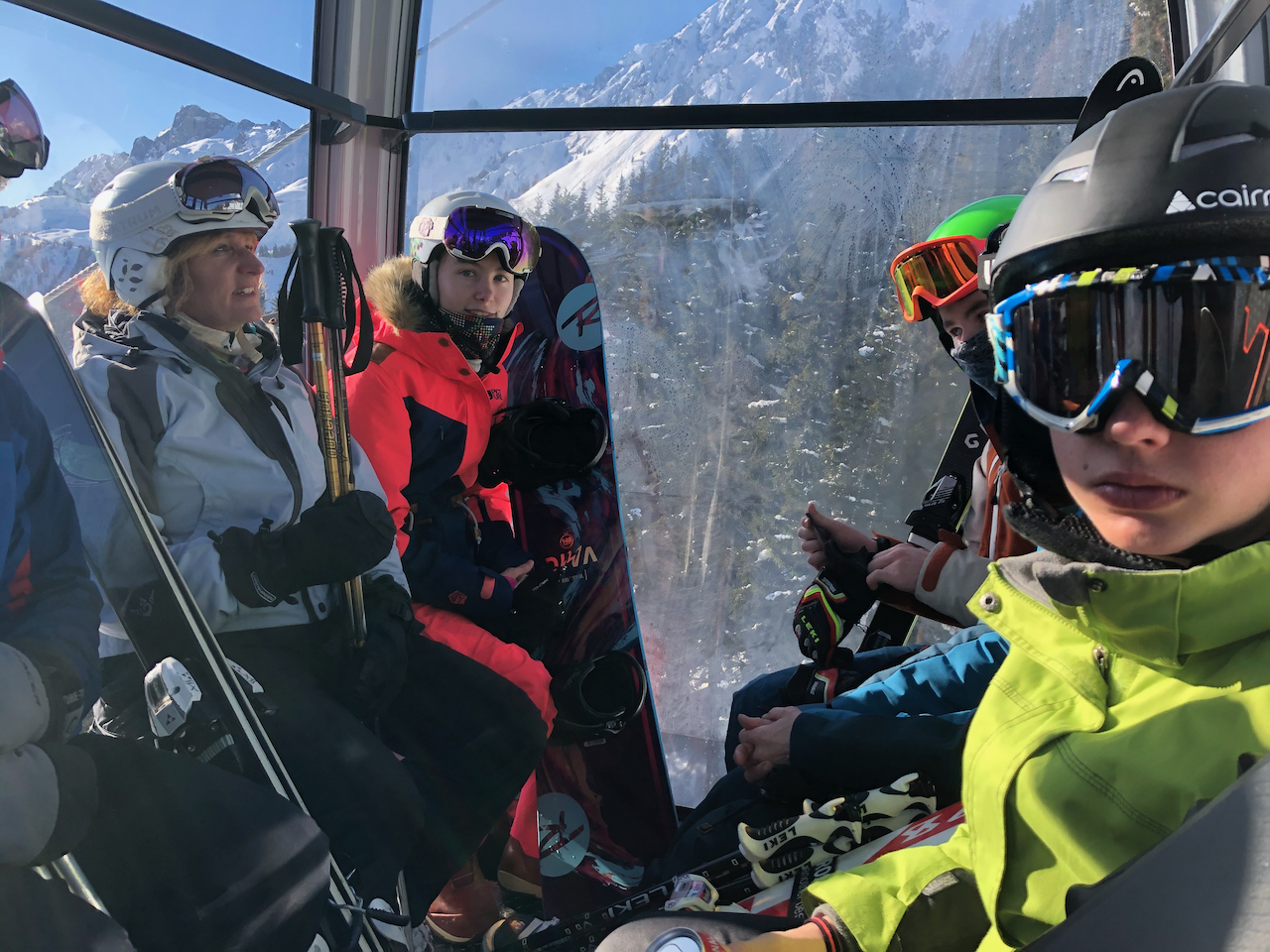
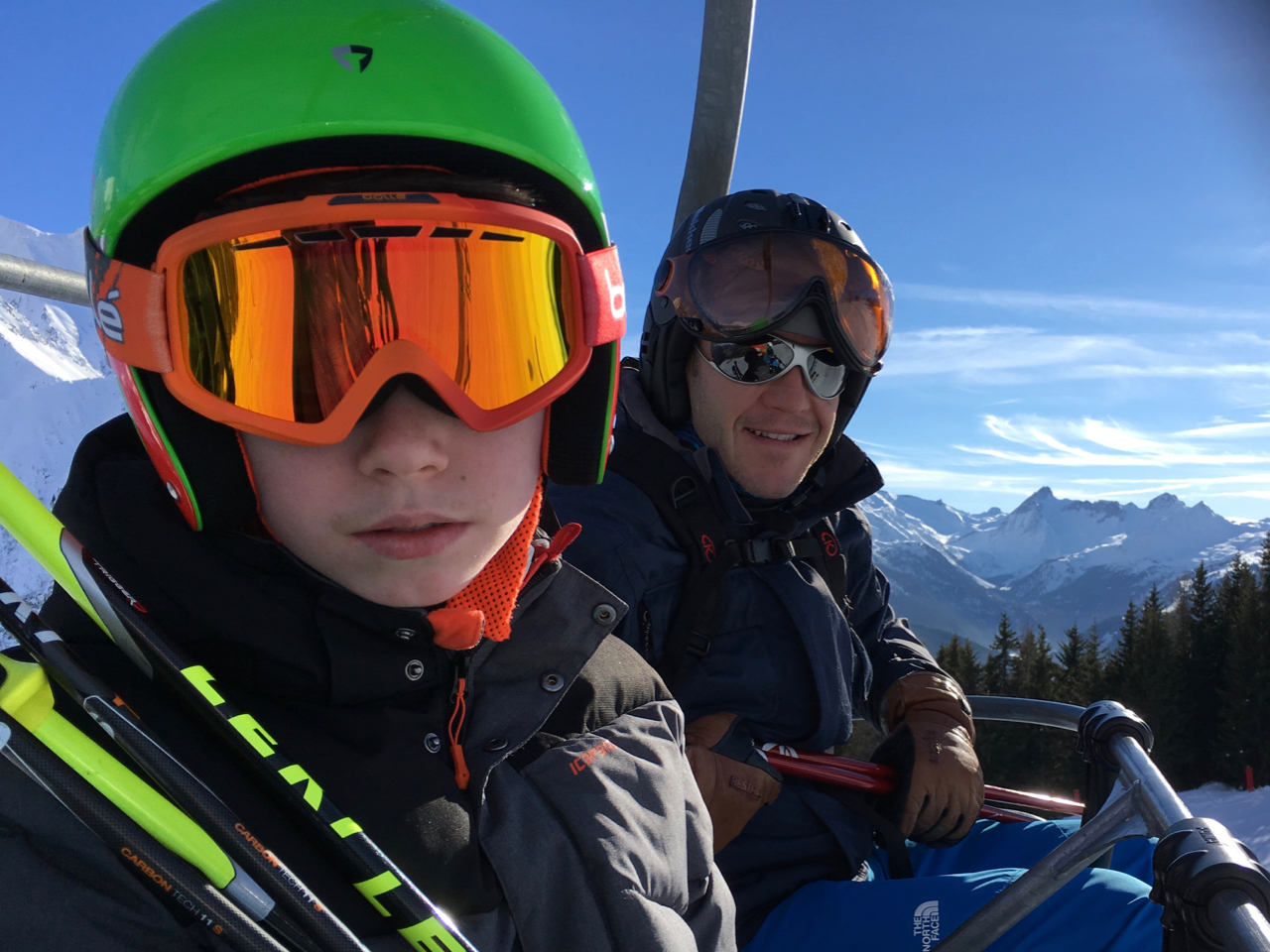
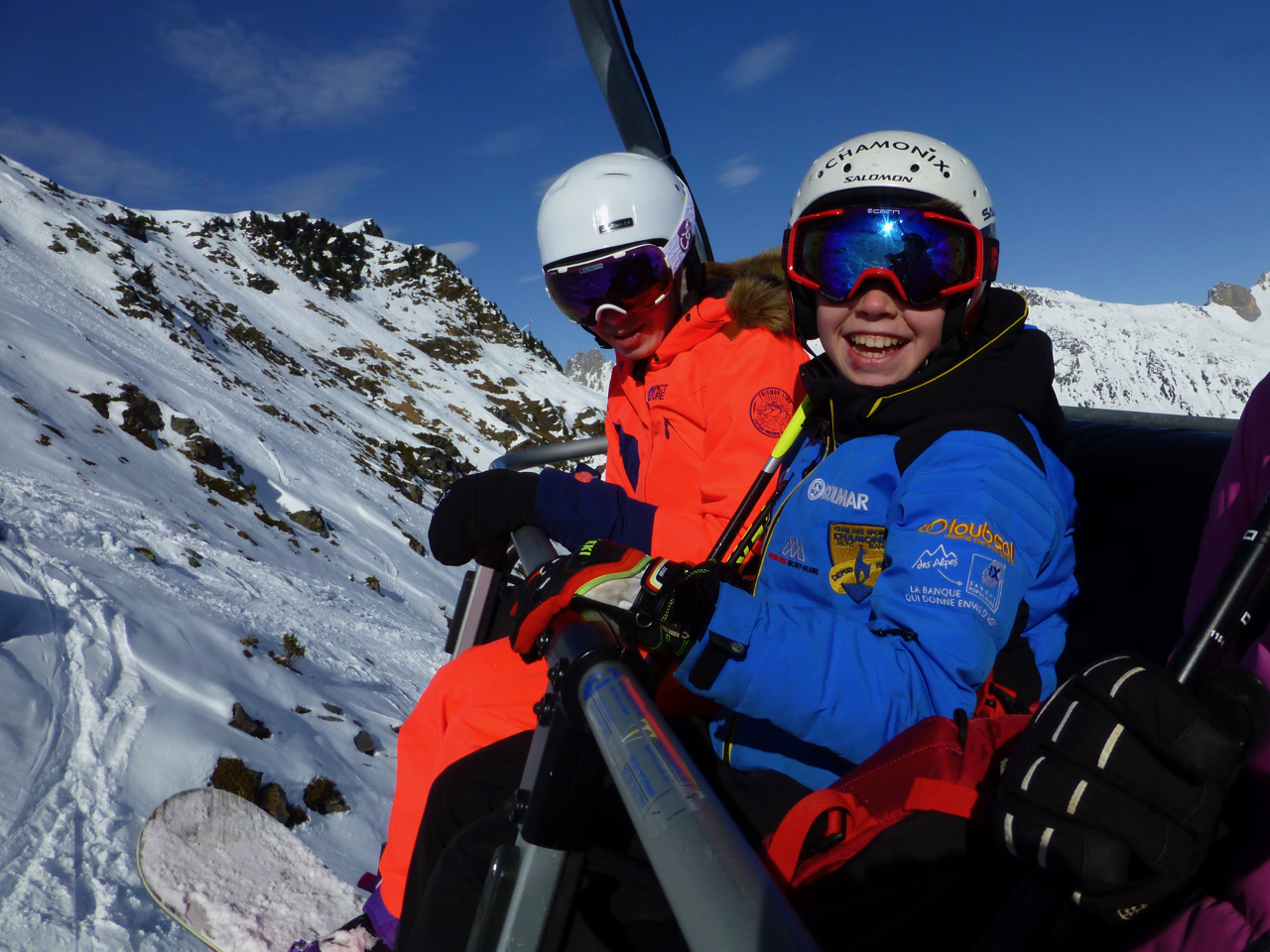
Smiling skiers on a chairlift in Chamonix, enjoying the mountain views and fresh snow on a sunny day.

7. References


  1. Alpine Skiing Association. (1987). Annual report on skiing trends in the Alps.Zurich: ASA Publishing.
  2. Chamonix Resort Administration. (2022). Economic impact and lift ticket pricing analysis. Chamonix: Chamonix Administration.
  3. European Ski Resorts Report. (2000). Annual review of ski pass pricing. Geneva: ESR Publishing.
  4. Grunewald, K., & Norrbin, N. (2014). Impact of economic factors on ski resort pricing: A case study of the French Alps. Tourism Economics*, 20(2), 281-295.
  5. Hutter, B. (2018). Technological advancements in skiing: Changing landscapes and prices. International Journal of Alpine Research, 12(1), 14-29.
  6. Lundberg, R., & Palm, W. (2020). The premium ski experience: Luxury trends in European ski resorts. Leisure Studies Quarterly, 24(4), 321-337.
  7. Müller, A., & Sulliger, P. (2023). Niche markets in winter sports: Pricing strategies for the modern skier. Journal of Sports Economics, 29(1), 78-95.
  8. OECD. (2010). Economic impact of winter sports on local economies: A focus on ski resorts. Paris: OECD Publishing.
  9. Ski Resort Management. (2022). Trends in ski resort pricing and consumer preferences. London: SRM Publications.
  10. Swiss Ski. (1958). Annual report on ski trends and participation rates in Switzerland. Bern: Swiss Ski Federation.
  11. Zermatt Tourism Report. (2023). Annual ski pass pricing and economic overview. Zermatt: Zermatt Tourism Board.
;