Ski Holidays in the Modern Era
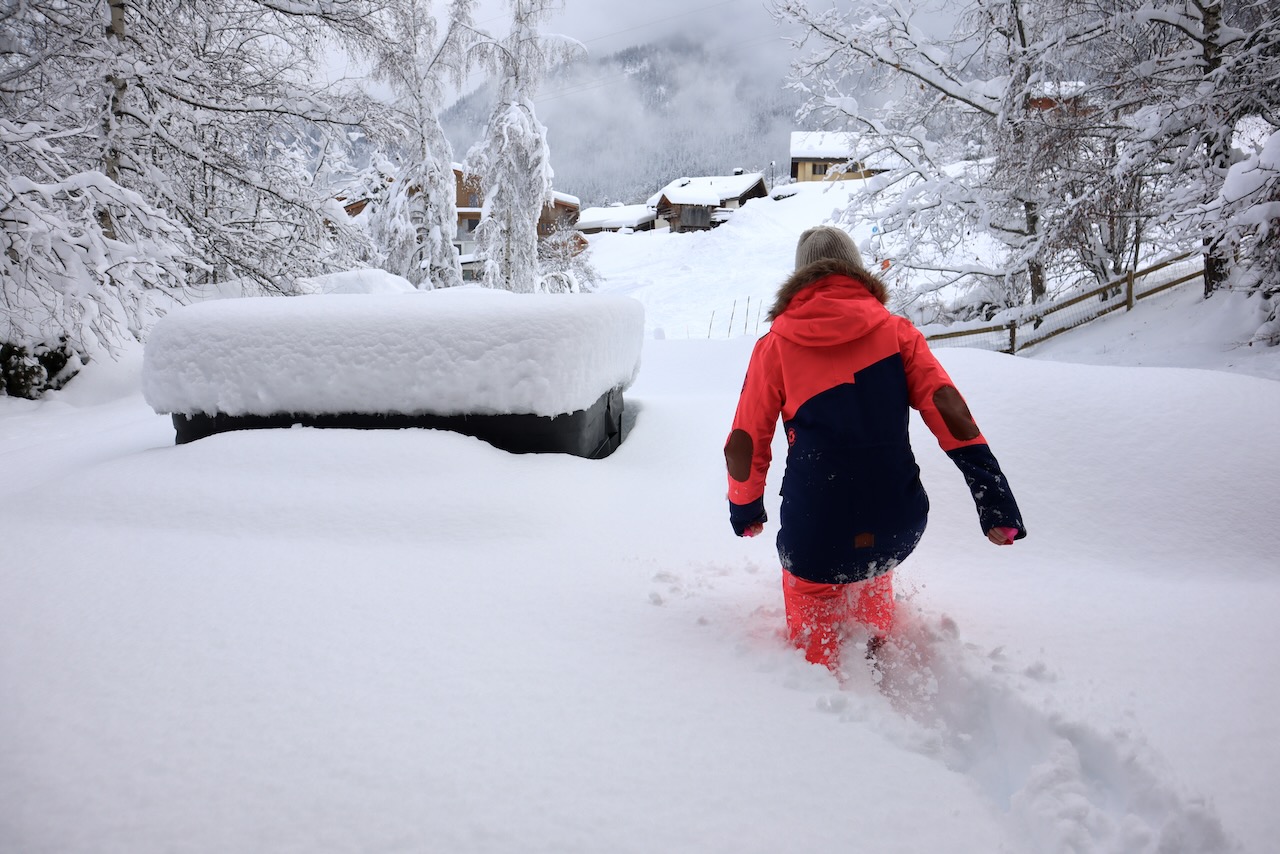
Today, Europe boasts some of the world’s best ski destinations, attracting millions of visitors each winter. The rise of snowboarding in the 1980s and the subsequent diversification of winter sports have further broadened the appeal of ski holidays. Technological innovations have also transformed skiing, with improvements in equipment and clothing making the sport more accessible and enjoyable. Resorts have adapted to include various activities beyond skiing, including snowboarding, sledging, ice climbing, husky rides, sleigh rides, and even après-ski entertainment. As climate change poses challenges to winter tourism, many ski resorts invest in sustainability and environmentally friendly practices to protect the snowy landscapes that draw people worldwide. The future of European ski holidays is adapting, ensuring that future generations can enjoy the thrilling slopes and breathtaking views that have become so beloved.
In the 1970s and 1980s, packaged, catered ski holidays saw the famous, or infamous, depending on your viewpoint and the quality of food served, ‘hearty’ (if you were lucky) ski dishes, typically spaghetti bolognese, lasagne, et al. These were often made by young girls and boys fresh out of sixth form or university with no real catering experience, out to enjoy a ski season before entering their chosen occupation. But things started to change by the late 1990s and the start of the millennium. With several private operators entering the market, they sought to create a new luxury ski holiday niche rather than compete with the larger tour operators. Out went the ‘hearty’ ski specials, and in came five-course dining created by talented, professional chefs. And whilst both today are available, the latter seems the more prevalent choice.