First Snowfall and Its Impact on Ski Lift Opening

If you haven’t heard already, let us break some good news for you. It’s been snowing! Ok, well, that happens a lot in the Chamonix Valley, so perhaps this isn’t news? Well, it is actually, and let us tell you why.


This is what locals call the ‘first proper snow’ of the season. Proper snow, you might be asking? And if it has snowed before, which it has, you may be puzzled by the reference to first? So what is the difference? From October onwards, it can snow down to resort level when the air temperature fluctuates above and below freezing, and just as importantly, the ground temperature is still warm. But it isn’t likely to remain for long.
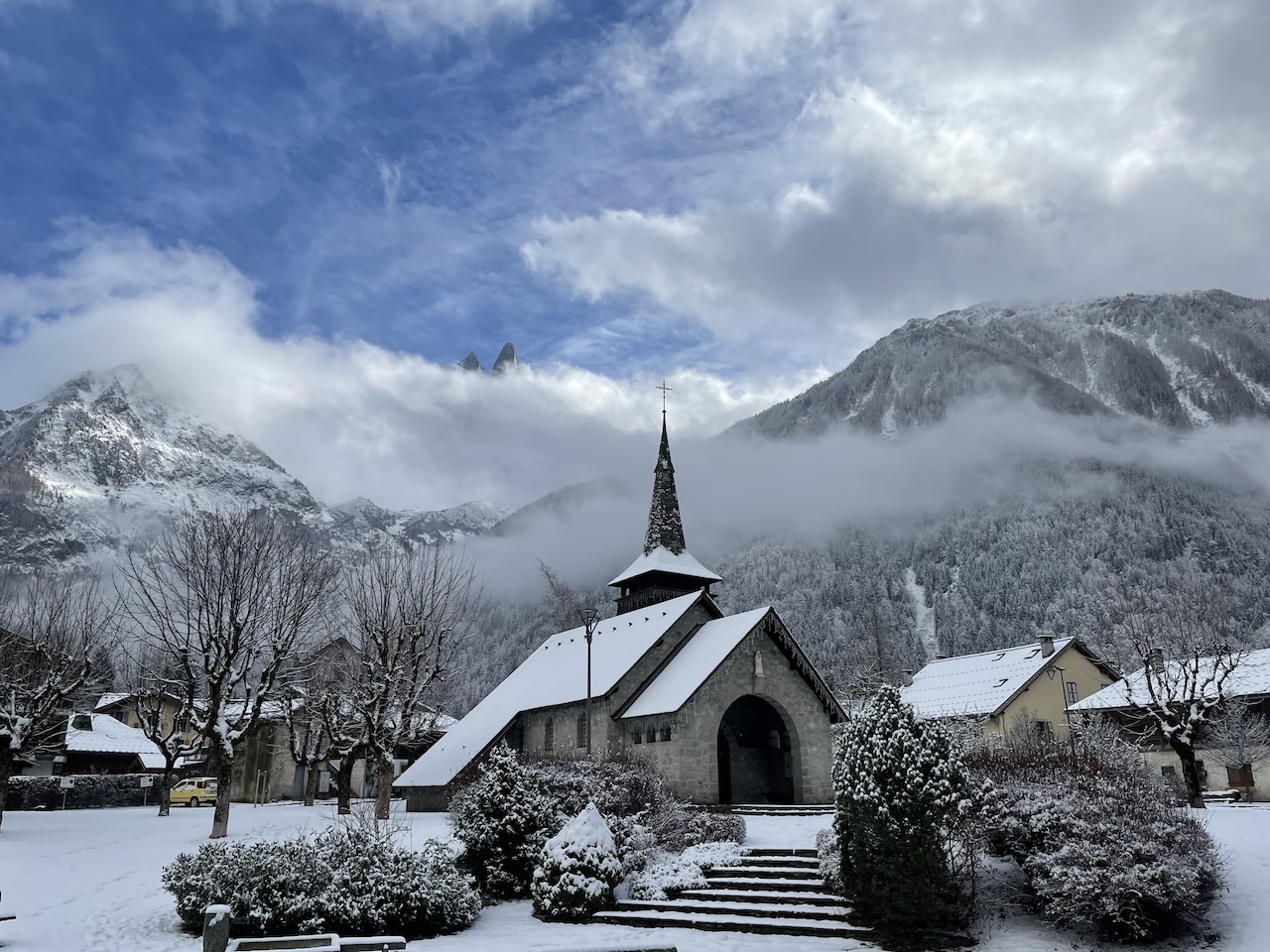
Chamonix Church
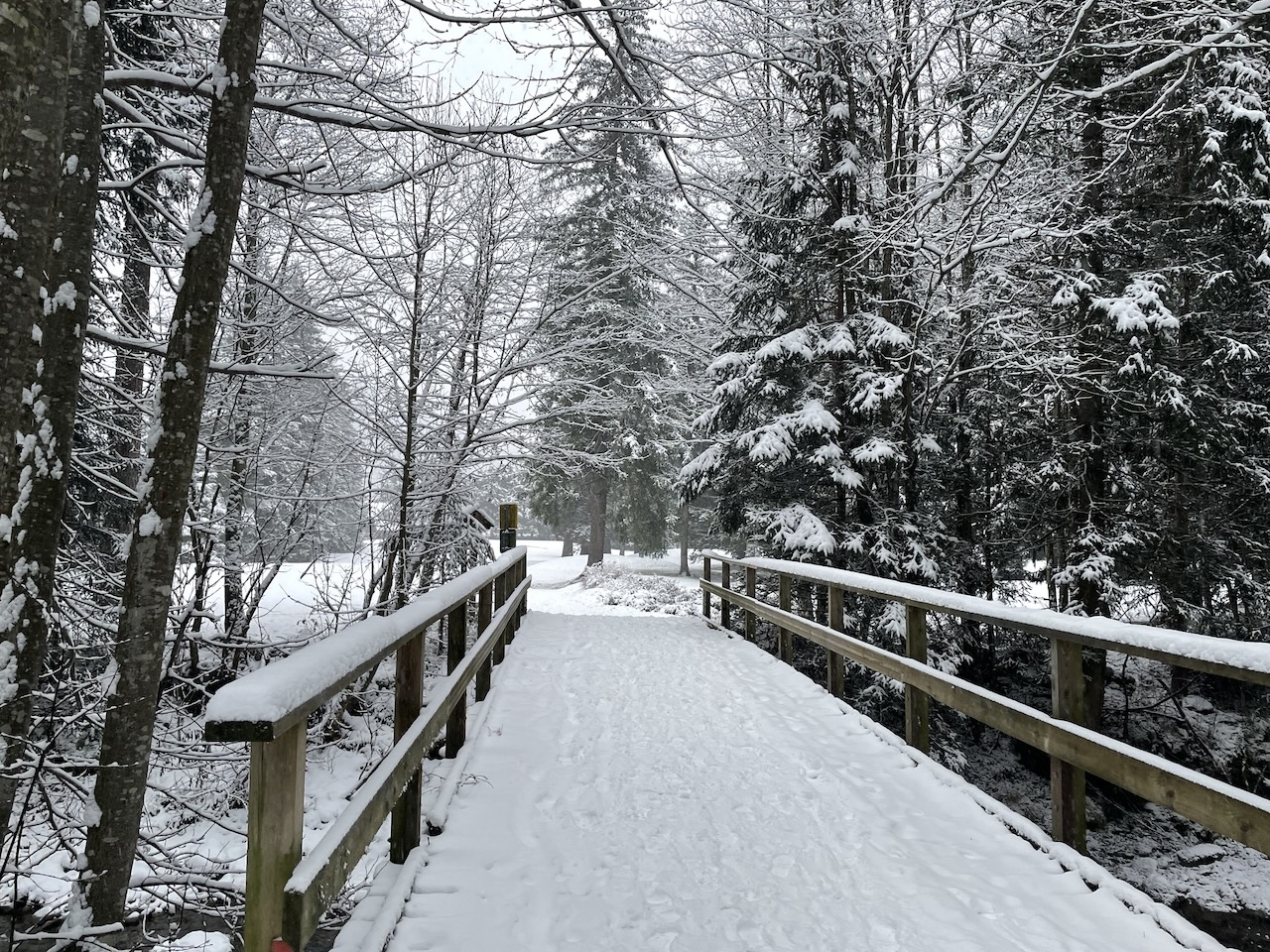
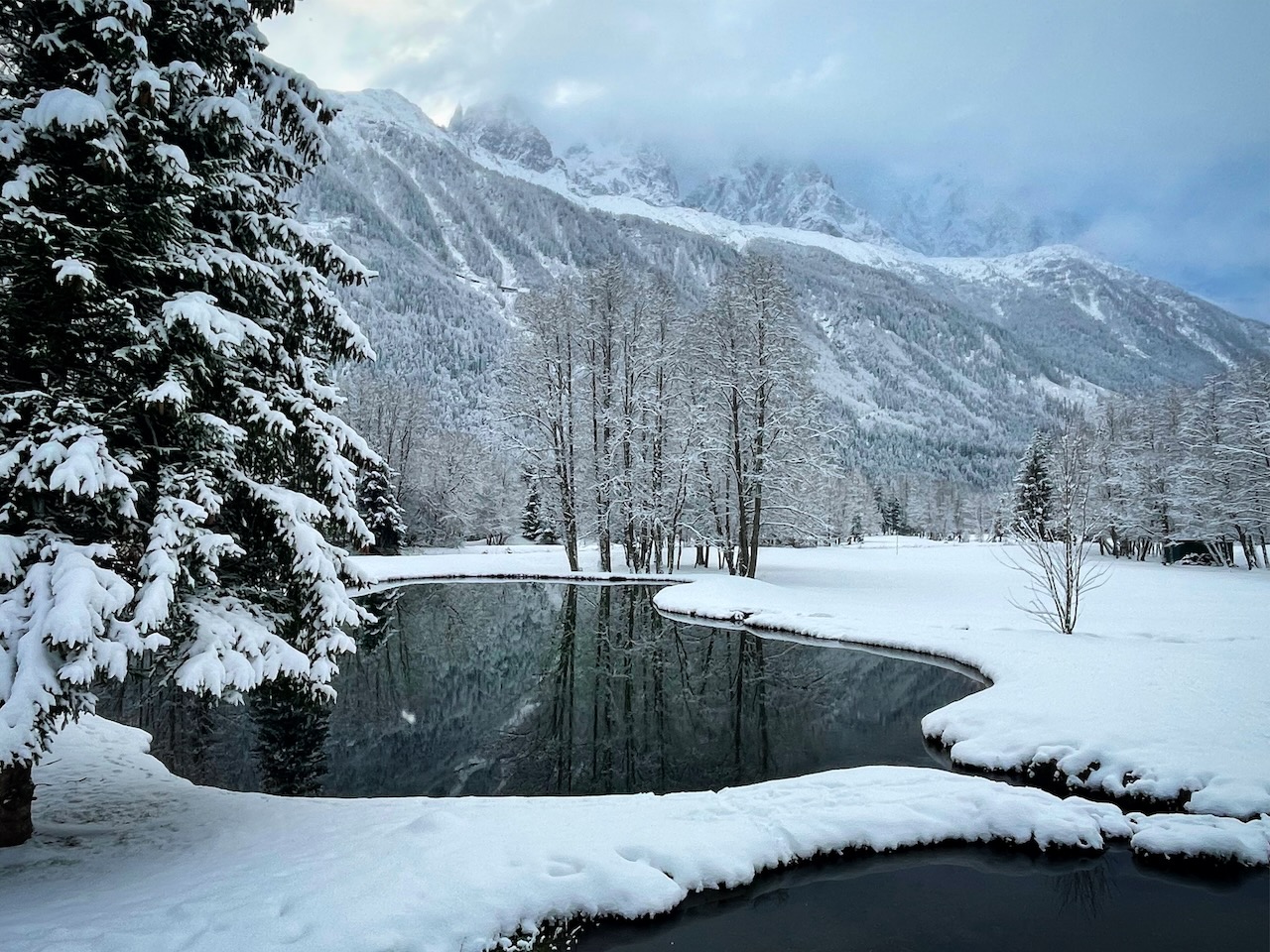
Snowfall Chamonix

The Ground Temperature Is Critical


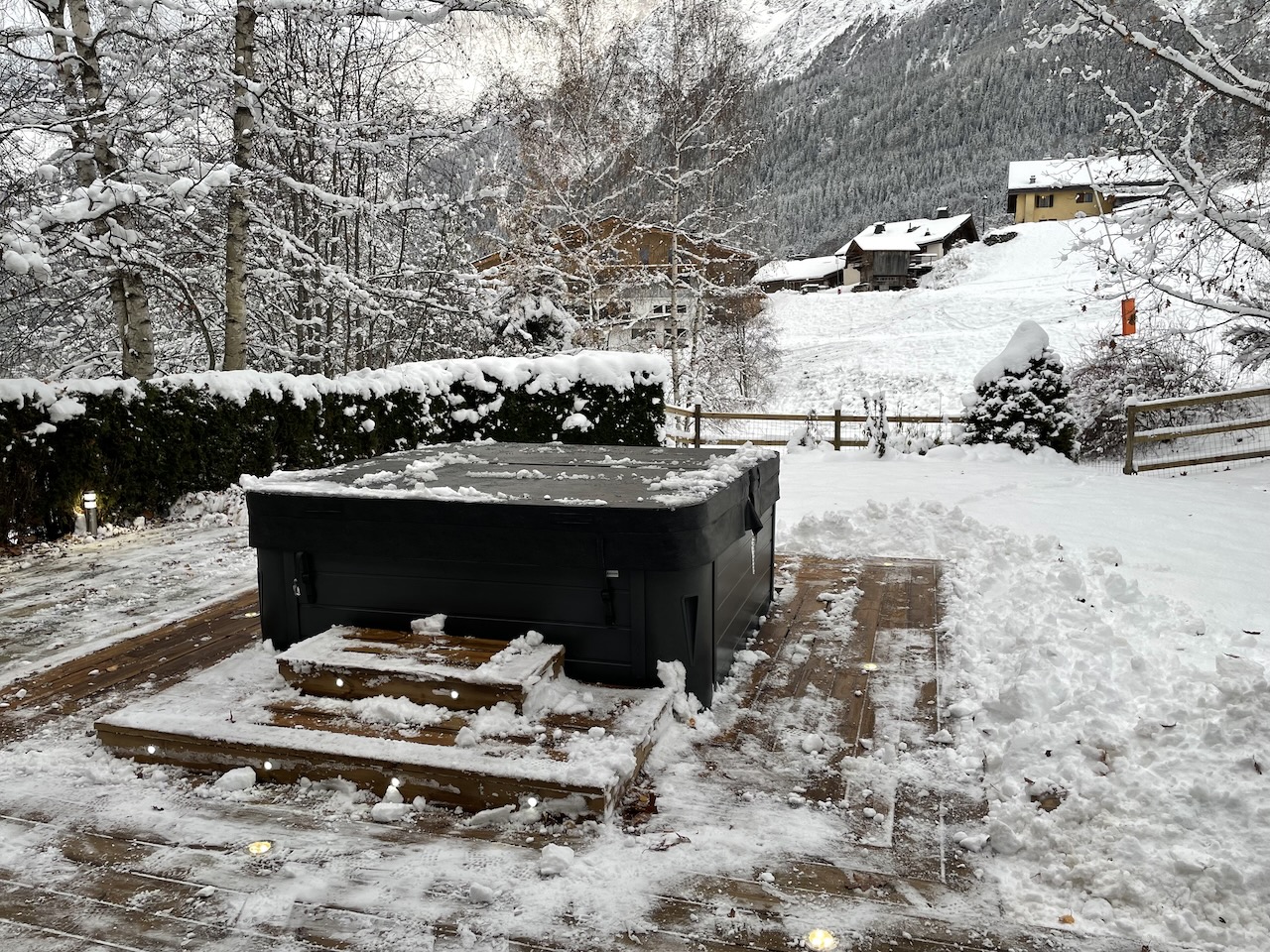
Earlier we highlighted that the snow doesn’t remain when the air temperature doesn’t remain for significant periods, below freezing. But you may be wondering why the ground temperature was mentioned too. It would be easy to think, and assume, that once the snow falls, the ground chills quickly? But it is not exactly as you might think, in fact, snow is quite a good insulator, as Eskimos have shown us for hundreds of years. Therefore, if the ground is still warm when the snow falls on top of it, it pretty much stays warm, well at least for long periods. As a consequence, like your hot tub at our luxury chalet here in the Chamonix Valley, when the ground is a warm layer, it melts snow melts from the bottom upwards.


Therefore, before the snow commences, what we locals are looking for is a cold spell to create a hard frosted layer on the ground. The longer, and colder it has been, the better.

Hot Tub Snow
Snowfall Early November

Cold Spell – With Frequent Snow Fall – Not Too Heavy


Not too heavy, we must be mad, more the better surely? Well, no, we are not going to go into detail on the ins and outs of avalanche risk; there are far better-qualified people on the web than us for that, but what we want to see is about 20cm, cold, powdery, snow falling each time. Cold temperatures in between, allowing each layer to bind nicely together. Building gradually, layer on layer of tightly packed crystals. Heavy snowfall, has greater risk of slab avalanche.

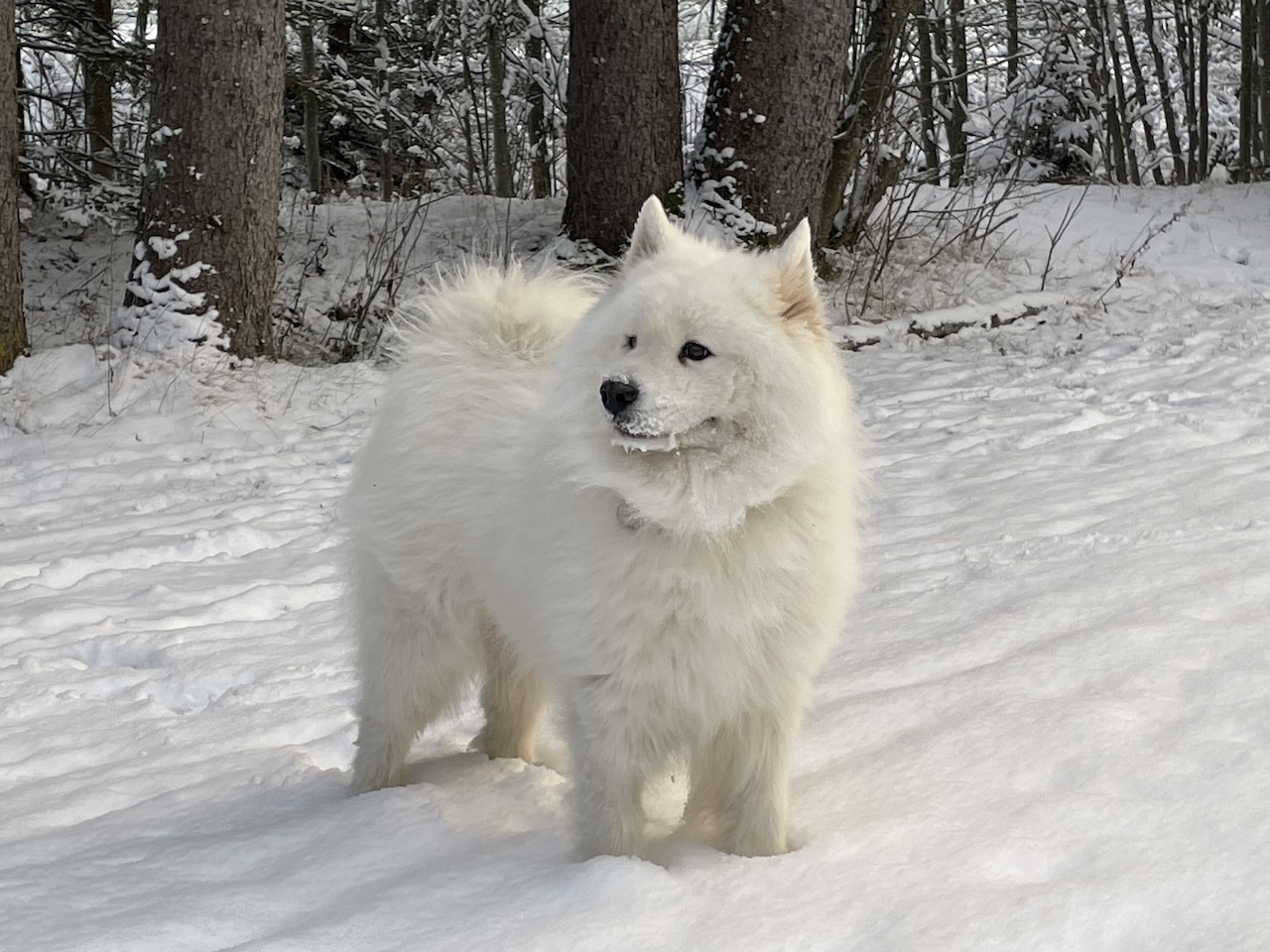
Samoyed Chamonix
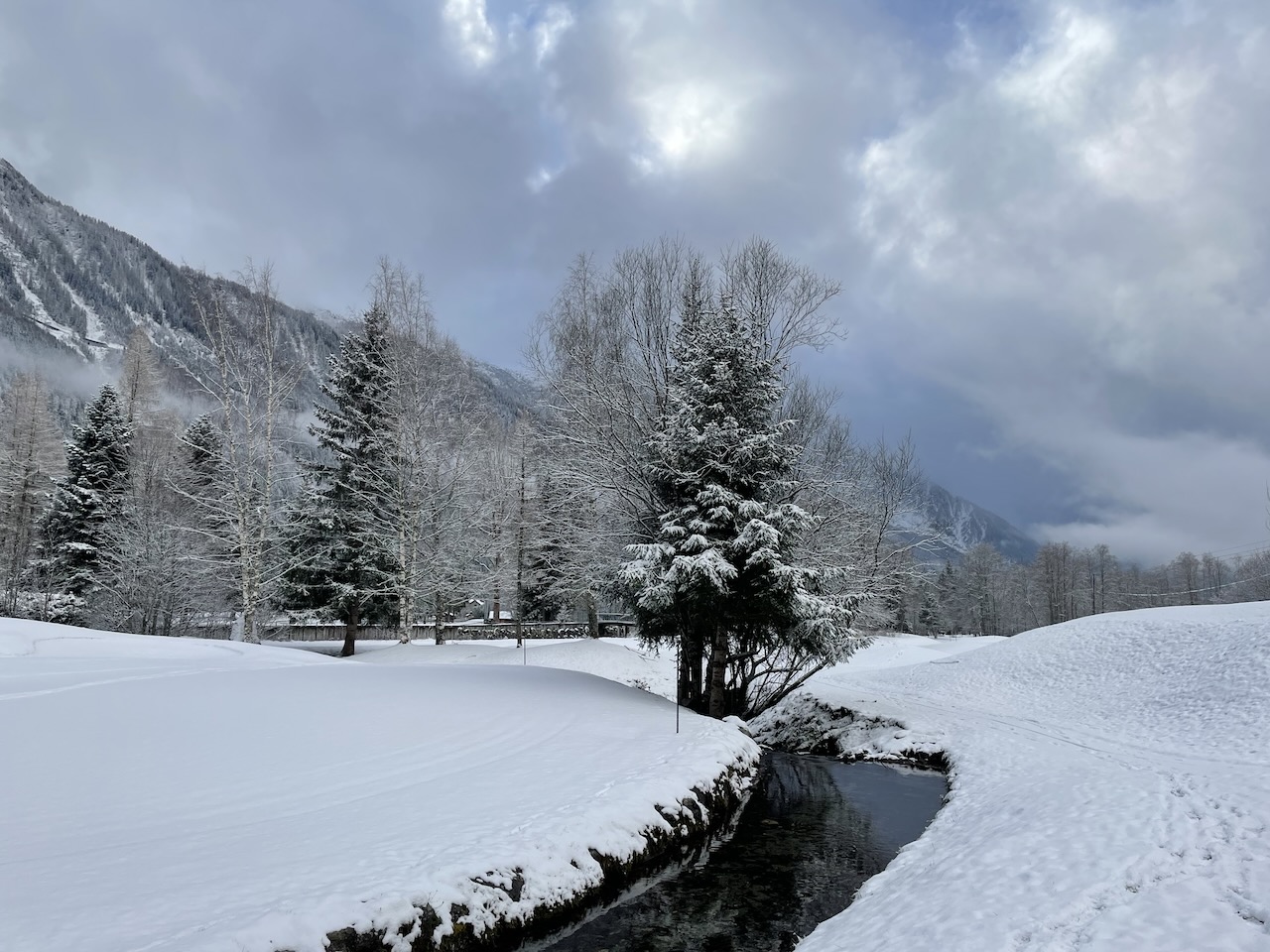
Snow Chamonix

Piste Bashers Play An Important Part


The more consolidated and tightly packed the snow, the less air can become between it. As temperatures rise in spring, it reduces the thawing process, as it can only penetrate from the top, not within. Notwithstanding the most important part, a solid base,  breaking up the surface into perfect corduroy, smooth pistes, and reducing the risk of icing in the process.

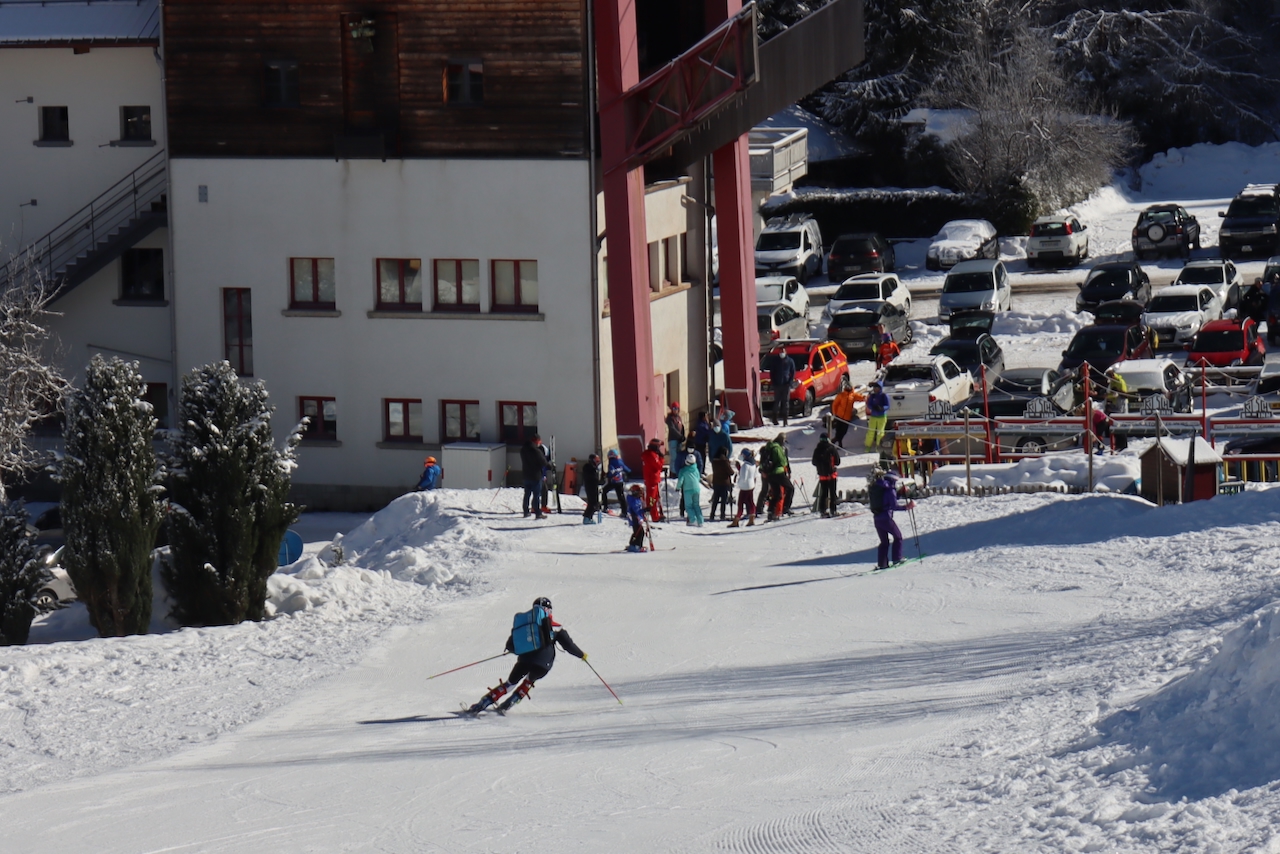
Bellevue lift, Les Houches
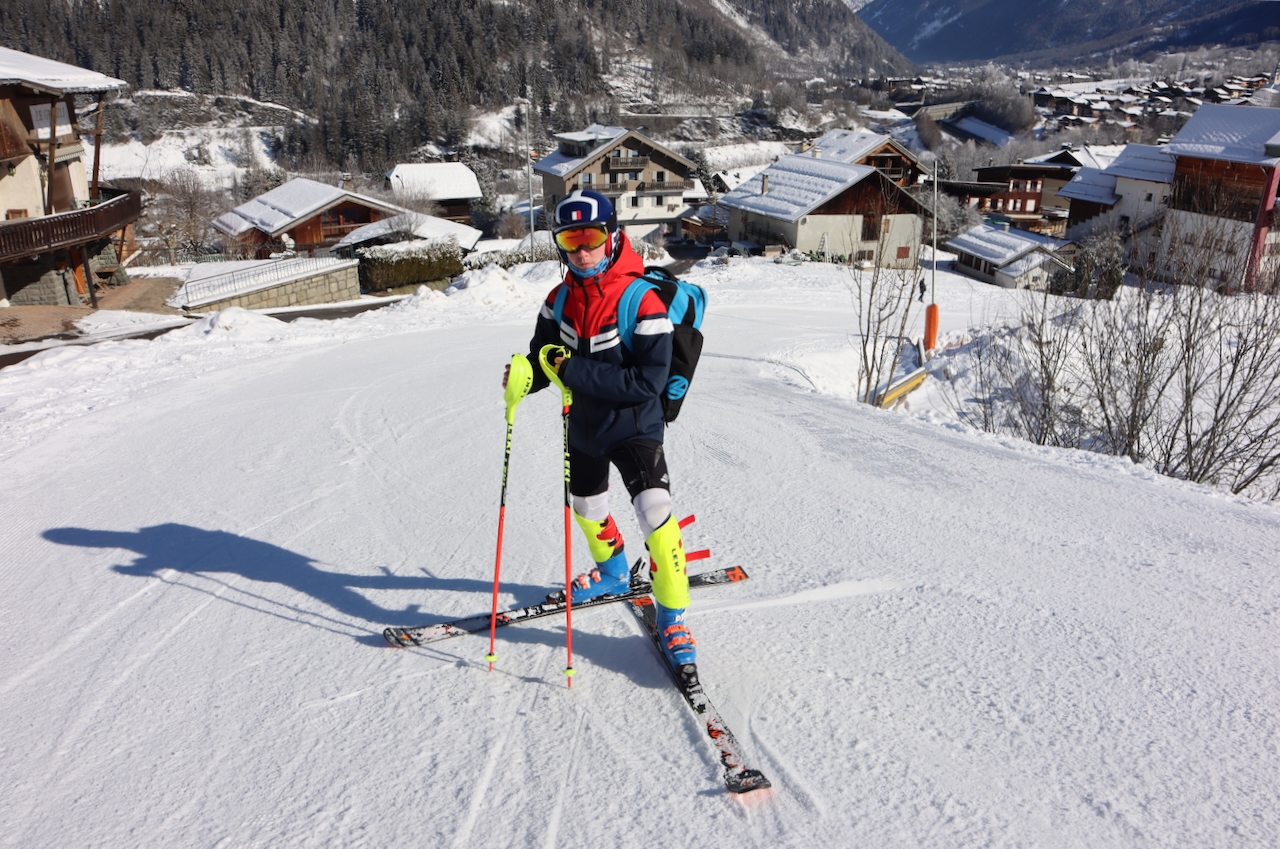
Ski racer in gear with a backpack, standing on a snowy slope in a mountain village, ready for race training in Chamonix Valley.

So Ski Lifts Are Open


The ski lifts are not quite yet open. First, we need a good base, compacted and freeze to the surface of the ground.  The piste bashers help compact the first snow with this process. They also solidify too. packing the snow together. The next snowfall on top, and so on. Snow depths vary, but typically we are looking at least 50cm to ski and snowboard safely on predominantly grass slopes. Anything less, and there is a risk of skis going through to the ground below and catching an edge. In rocky terrain, the Grands Montets here in Chamonix, for example, you will need more. One metre typically, and that’s the minimal. Ideally one and a half metres. Luckily enough, it often has circa five metres of snow by the middle of the season!


So there we have it – a geeks eye overview of the importance of Chamonix’s first, proper snowfall of the season.

;