Chamonix : The Devastating Effects of Global Warming

Global Effects


Chamonix, France, is just 100 kilometres from Geneva Airport in Switzerland, making it a popular and convenient luxury vacation spot. Every year, fans of winter sports swarm to this prominent location, but the question begs for how much longer? 


Global warming is affecting the Alps, and weather pattern changes, like other ski resorts, are having a major impact here in Chamonix and on people’s lives. The melting of glaciers impacts tourism as well as freshwater resources. Droughts and floods are becoming more commonplace, affecting agriculture, plants and animal species. In the future, natural disasters are more likely if we don’t act now to lower greenhouse gas emissions to safeguard the planet and those places we care about.


We have put our minds together to create a list of solutions to improve Chamonix’s situation and support the global objective. And, something to keep in mind the next time you visit.
Transport and Travel


Wherever possible, public transportation is a great way to get around the resort. In addition, transport is free with your Guest Card ‘carte d’hôte’ available from your tourist accommodation provider, or you can pay 10 euros / per person/ per one-week stay for a card at the Tourist Office.   The card will grant you several benefits, including unlimited use of the SNCF network and buses for trips between the Servoz and Vallorcine communes.


Owing to the topography of Chamonix, many Chamonix chalets are not directly on the bus or train route, so take advantage of other means of transport, such as the in-resort taxis, instead of using your own private or hired car  (and the subsequent expense of snow chains, etc. in the winter). The drivers know the quickest routes and will coordinate transport between guests for the most economical journeys. Furthermore, you can save money using a Chamonix transport company for your airport transfer and have the luxury of a direct door-to-door service. A taxi from Switzerland Geneva airport costs circa 400 Swiss francs for four people versus a private or shared transit van for around 275 euros, seating eight people. It’s a no-brainer for smart people who like to save money and go easy on the planet. Helping reduce greenhouse gas emissions from vehicles while promoting healthy and sustainable tourism.

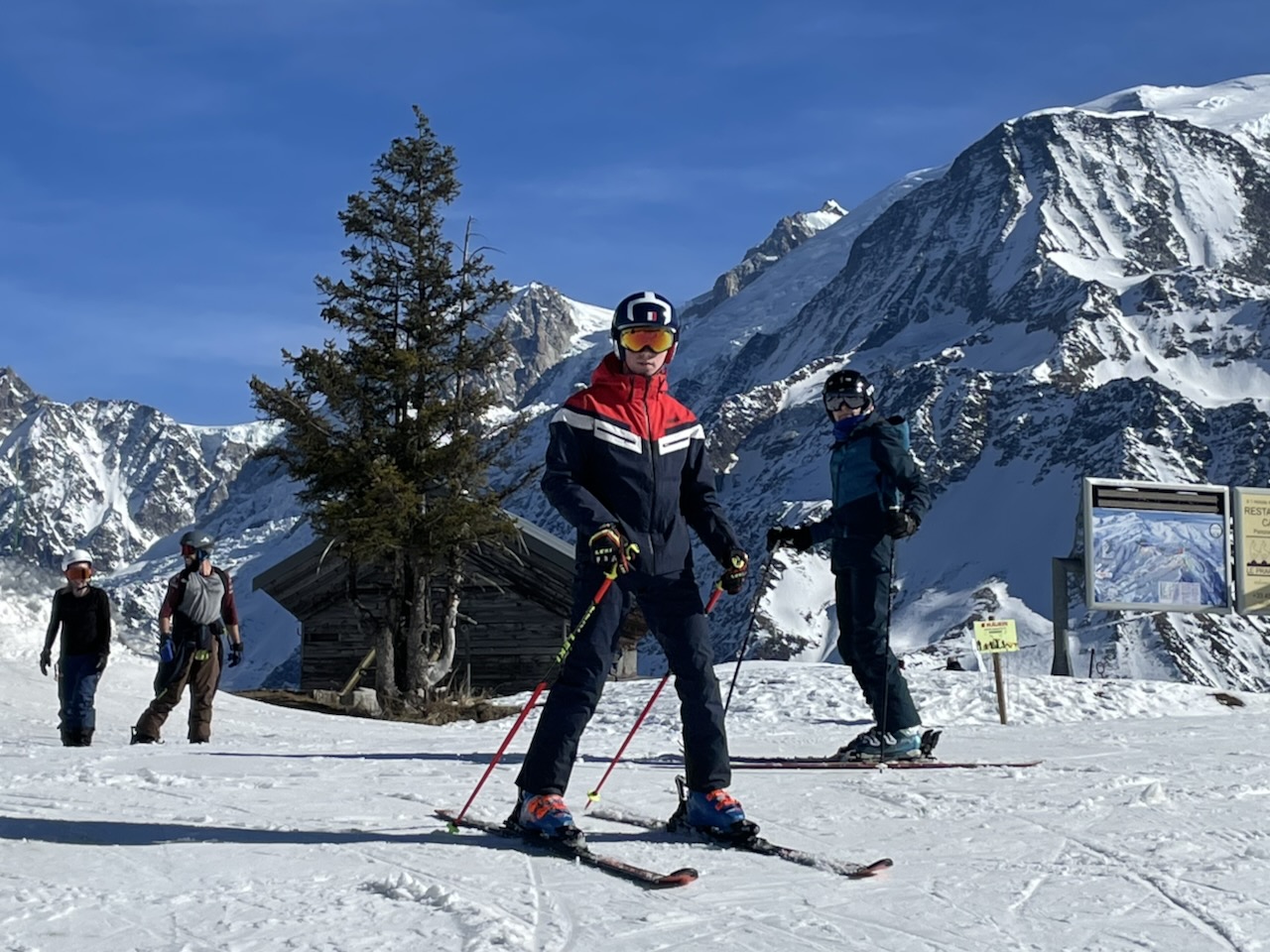
Snowboarding in Chamonix and les Houches
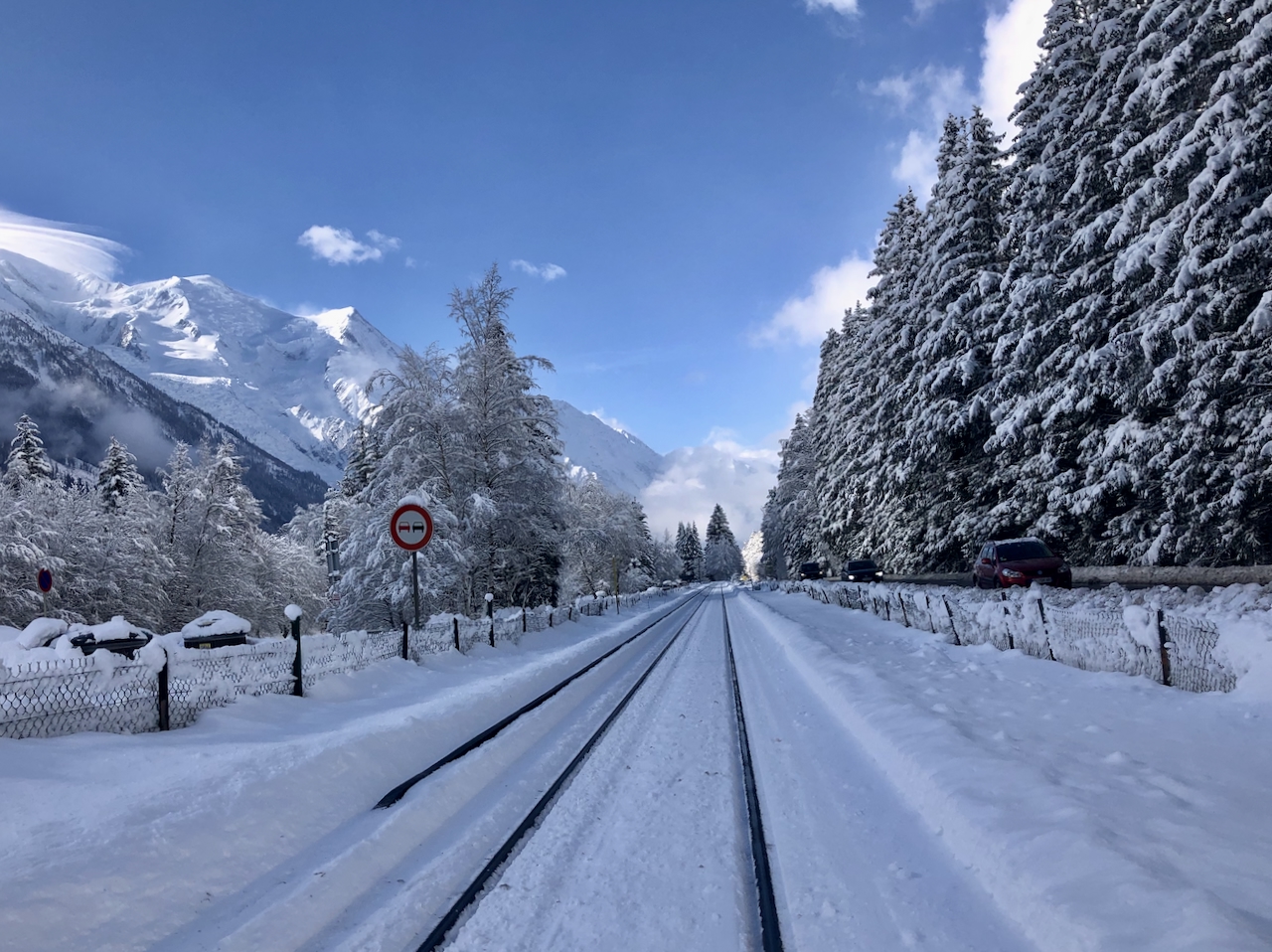
Snow-covered train tracks and scenic views of Mont Blanc in Chamonix, showcasing the reliable winter rail and bus network in the Alps.

Eco-friendly Accommodation


If you are deadly serious about global warming, choose your chalet accommodation wisely. Search for chalet accommodation committed to sustainable practices such as energy and water conservation, recycling, and reducing plastic waste, or better still, ask us too. If you can’t find any lodgings that offer this, then do other positive acts to conserve energy by turning off lights and electronic devices when not in use, adjusting the thermostat to save energy, and taking shorter showers to conserve water. 


Where there is a fireplace, only use it when required because burning wood releases damaging air pollutants like carbon dioxide (CO2) and other greenhouse gases. The number of people suffering major health consequences from these contaminants is increasing, and those with respiratory problems are worse affected. So it’s worth thinking about, so to reduce the environmental impact, think about other heating choices like electric or gas heaters or if you have to use wood, use one that has been harvested sustainably. 

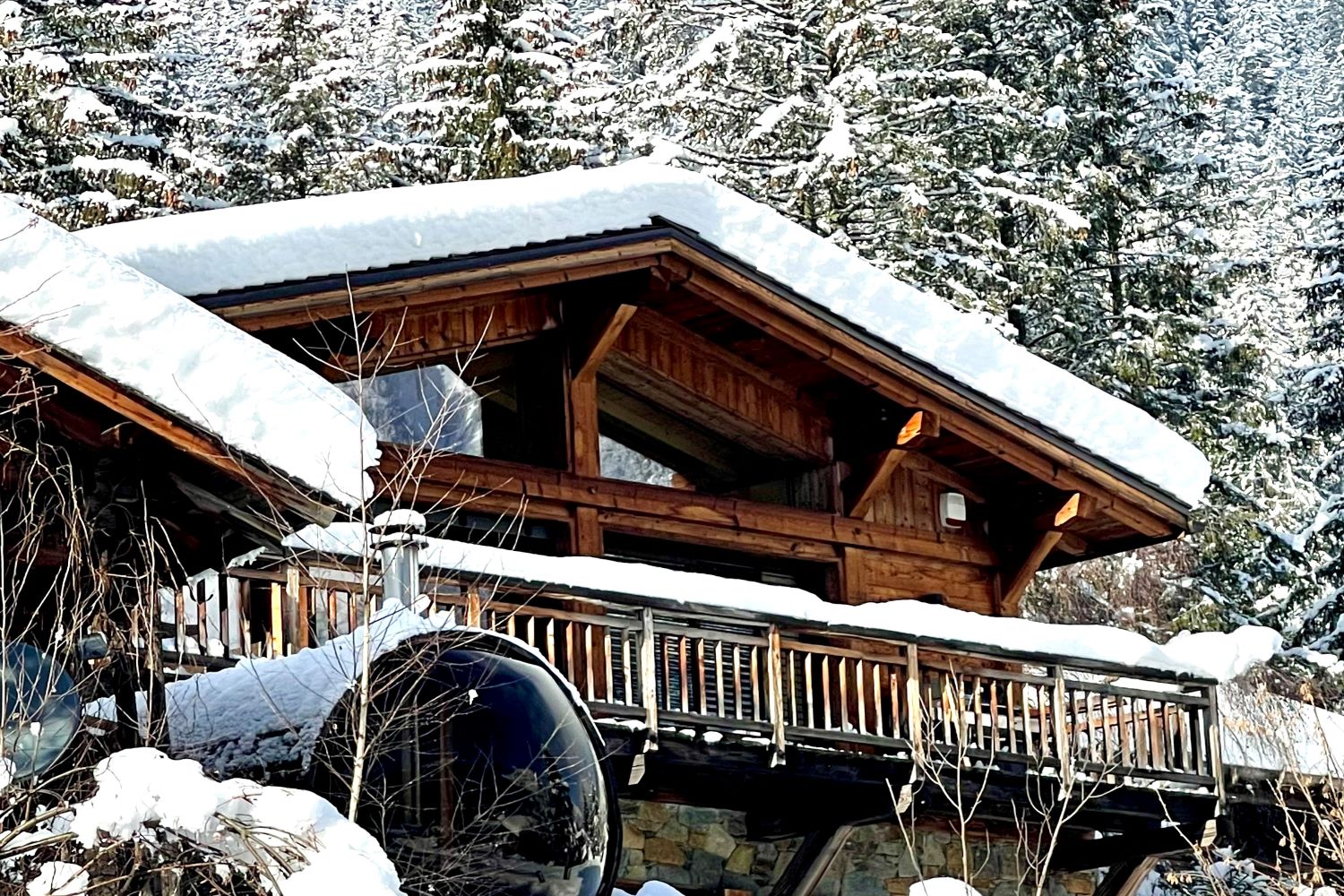
Chalet Eco Lodge with a wooden exterior and pitched roof covered in snow, nestled in a snowy mountain landscape, featuring a balcony and a large hot tub or sauna visible below.
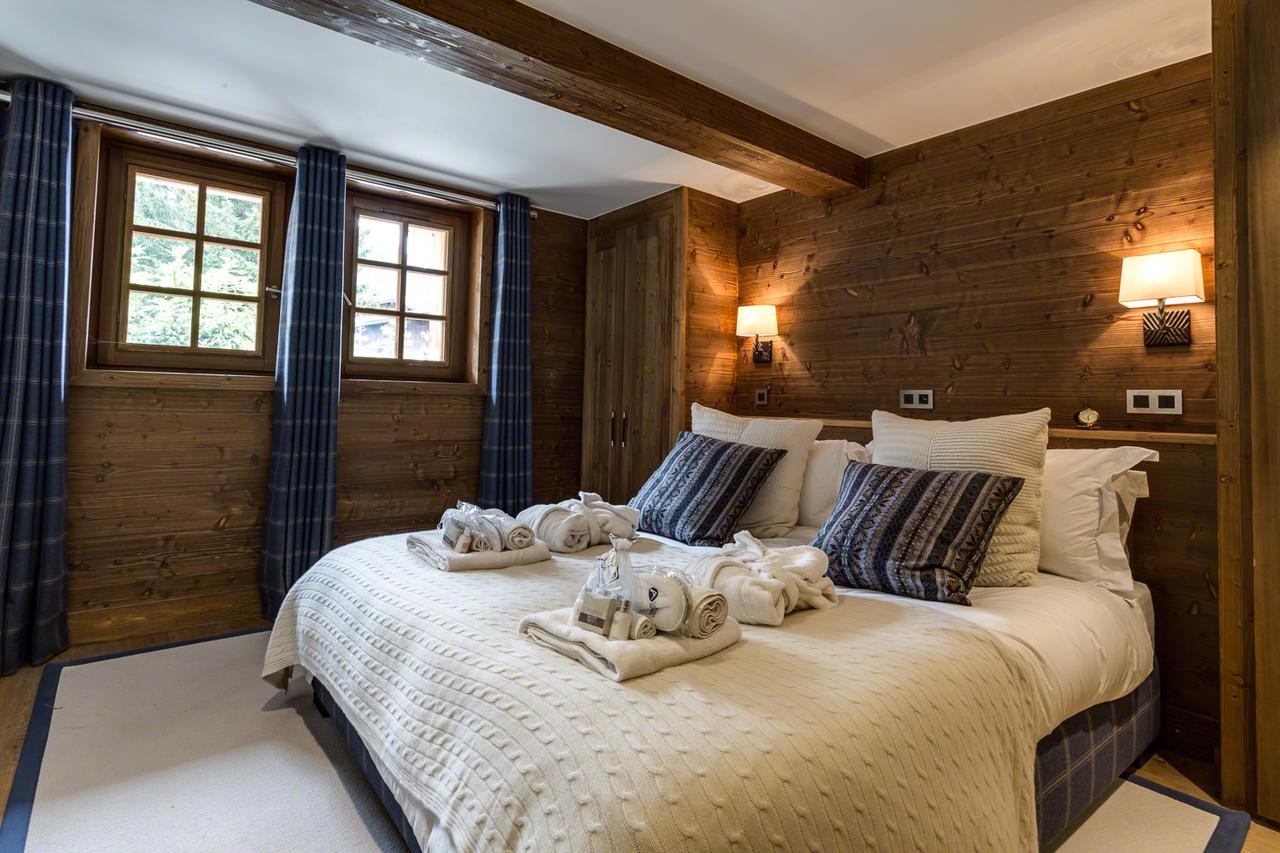
A rustic alpine bedroom in Big Bear Chalet, featuring warm wood panels, a large bed, and natural light.

The three R’s: Recycle, Reduce and Re-use


When planning your holiday, it’s a good idea to bring a reusable water bottle and not to keep buying plastic bottles. The water in Chamonix is safe to drink, so you need to top up your bottle from the tap. Easy peasy and cheap too! For food shopping trips, have your own vegetable/fruit sacs handy or reuse the ones you are given. Invest in reusable shopping bags, cutting waste and plastics. 


Don’t leave waste around for someone or something else to pick it up. Waste can significantly impact animals, not only on wildlife but also domestic animals. Animals mistake waste for food or accidentally ingest it while foraging. This can lead to various health problems, including intestinal blockages, malnutrition, and toxicity. This is a problem for Chamonix, as unsuspecting dogs and wildlife pick up waste left around. Tissues, plastics, and other disgusting matter in the forest are common problems. So, it’s best to take your rubbish home or put it in the nearest bin.


Recycling bins are dotted over the Chamonix Valley so that you can dispose of your recyclable materials, such as glass, plastic, metal, and paper. There are also designated collection sites for hazardous rubbish, such as batteries and electronics, to prevent environmental damage. For convenience, some of these items can be deposited at the local supermarket at Carrefour and SuperU. 


There are also composting systems in place, where you can drop off your food waste at dedicated collection points, and it is then turned into compost for use in local agriculture.

Les Houches Ski Chalet Holidays
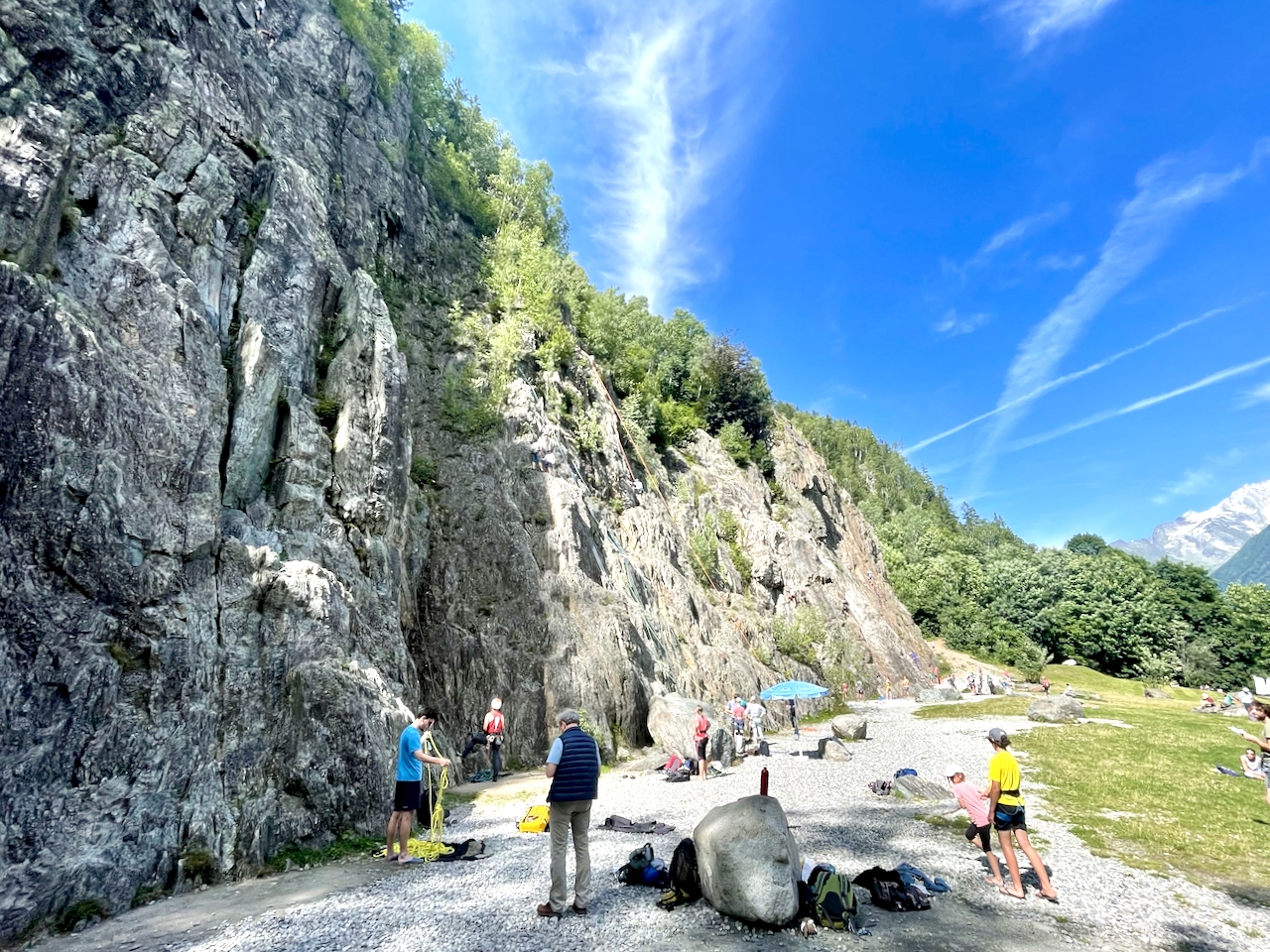
Climbing In Chamonix

Engage in Low Carbon Activity


The good news is that hiking, cycling, and skiing have a minimal environmental impact and are considered low-carbon activities, so you can enjoy these to your heart’s content. 


So to round up let’s slow the impact of global warming, by taking some simple steps to reduce your carbon footprint and instead to contribute to a more sustainable future for Chamonix and the Alps.

;