
Chamonix Avalanche Kills Brazilian / Portuguese Skier

FrancesLCE5

30 January 2025

No Comments

Chamonix Avalanche in Herse Off-Piste Ski Area Kills One


On the afternoon of February 28th, around 16:30, the piste patrol responsible for closing the slopes was alerted to a large avalanche on the Grands Montets in the Herse ski area, which occurred off-piste. The avalanche was estimated to be 400 meters wide and 1,000 meters long. Upon closer inspection of the area, the patrol discovered an arm protruding from the debris. Following recovery efforts, the PGHM (High Mountain Gendarmerie Platoon) reported that the individual had died at the scene. Initially, several media outlets identified the victim as a 55-year-old British skier; however, this information was later corrected, revealing that the individual was actually of Brazilian and Portuguese nationality.


On the day of this tragic incident, the avalanche warning level was 4 out of 5. High winds combined with a warm front created dangerous conditions at various altitudes for different reasons. Rain fell at lower elevations, while snow and sleet were reported at mid-stations, and heavy snowfall occurred at higher altitudes. This likely resulted in an inconsistent snowpack, increasing instability in many areas, particularly where rain fell. It remains unclear whether these conditions contributed to the tragedy. Notwithstanding, the significant snowfall of 1 to 1.2 meters at higher elevations was also a considerable risk on several slopes. Some pisted slopes had remained closed during the day, and skiers and snowboarders were advised to follow a level 4 avalanche warning.


The rescue and subsequent recovery were challenging. The conditions on the day were perilous for rescuers, and the search for additional casualties was suspended due to safety concerns. Factors such as diminishing daylight, high winds, ongoing snowfall, and the risk of a secondary avalanche posed significant threats to those involved in the rescue efforts. No further casualties or bodies have been located since that day.


The authorities will carry out a complete investigation. Initial reports suggest that the individual may have been skiing off-piste alone, as no other casualties or fatalities have been reported. During this difficult time, our thoughts are with the victim and their friends and family who are affected by this tragic event.

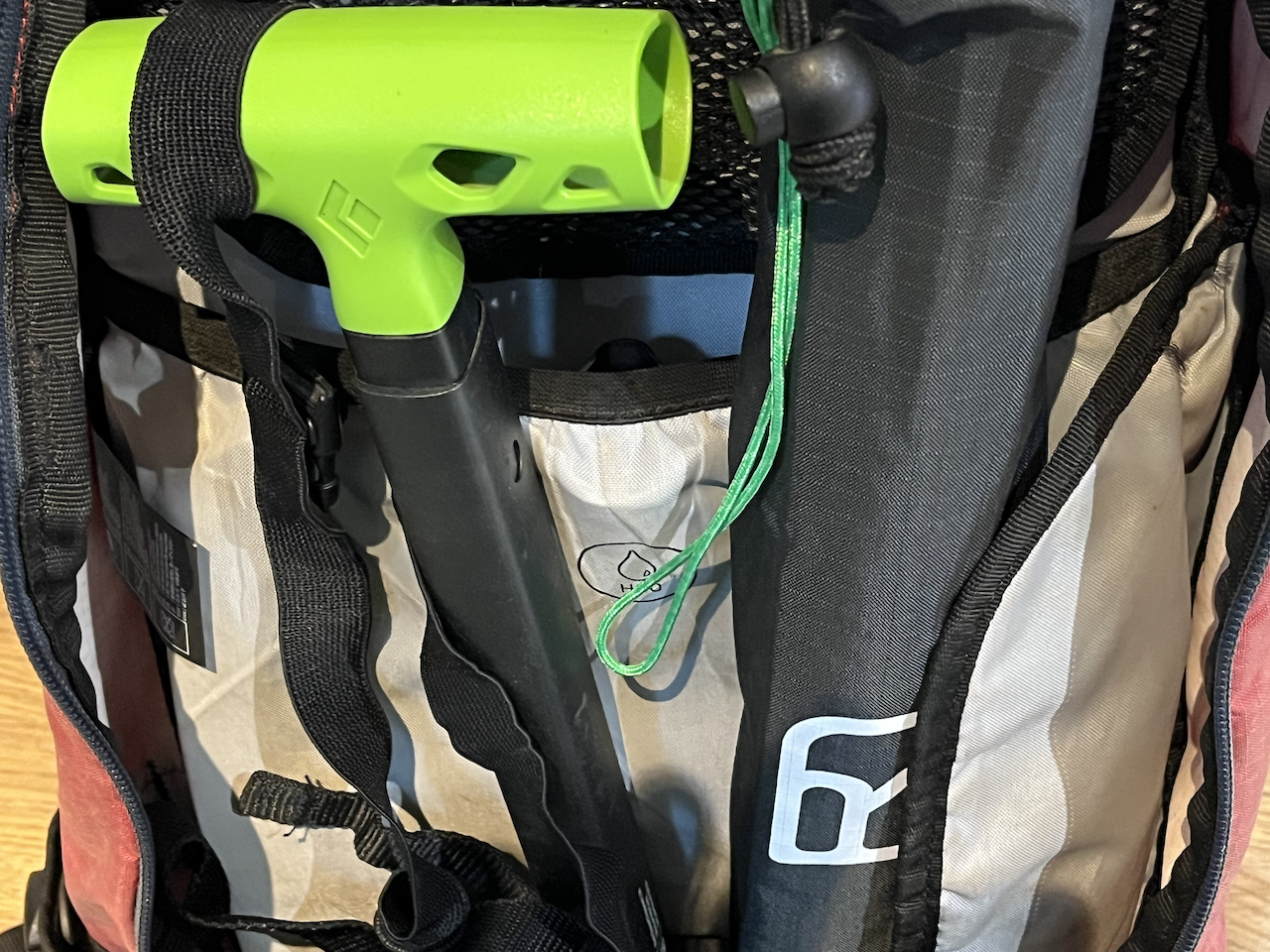
Chamonix Avalanche Equipment
Off-Piste Equipment - Avalanche Recovery Chamonix

Safety in the Mountains


While avoiding speculating on this event, it is an opportunity to highlight the importance of safety when skiing or snowboarding off-piste. Though we don’t claim to be experts, after 20 years in this valley, we’ve developed some simple rules for off-piste skiing that you might find helpful. Please note that these rules are not intended to replace qualified, professional training in avalanche awareness and recovery, and it’s essential for skiers and snowboarders to develop their principles and guidelines to follow:

  1. Never go off-piste alone –  Always venture out in pairs or groups, and avoid skiing or snowboarding together on potentially avalanche-prone slopes. This ensures that if an incident occurs, someone is available to assist in a rescue.
  2. Ensure sufficient competence in your group – All members should have appropriate knowledge and experience in off-piste skiing or snowboarding. If there are new participants, make sure they are familiar with search and recovery techniques.
  3. Always carry essential safety equipment – At a minimum, everyone should have a shovel, probe, and an activated avalanche transceiver. Make sure the transceiver is switched on before leaving home. Even if planning a quick venture off the pistes, it’s easy to wander as the opportunity calls and the adrenalin flows far from safety, so take them out at all times. Check your equipment thoroughly before heading out: Are the probe and shovel in your bag? Is your transceiver worn and set to send? Do the batteries have enough charge?
  4. Understand how to use your equipment – Every group member should know how to operate their avalanche gear and how to search for casualties in case of an avalanche. Regular practice is beneficial and can be enjoyable – consider hiding transceivers in the snow or trees for practice and see how each time you become more proficient and quicker to recover the item (start them young if you have children – they love the ‘game’ that might one day save a life). This type of training ensures that if someone gets buried, the others will act quickly and effectively.
  5. Be mindful of the conditions – While avalanche risk levels help gauge general stability on the mountain, personal assessment on each slope remains essential. Level three (Considerable) indicates to us that we should be extra cautious in evaluating slopes; at level four (High), extreme caution, and at level five (Extreme), it’s best to stick to the pistes and enjoy the powder there, if any runs are open!
  6. Choose the ski and snowboard runs based on group ability – Ski and snowboard only on runs that all participants can handle competently. It’s important to agree on this before committing to a route. Is each person happy with the choice? If not, find something that they are.
  7. Commit to continuous learning – Always strive to learn, share knowledge, practice new skills, and refresh what we know every year. Assume whatever we know, it will never be enough, we need to know more.
  8. When in doubt, don’t go out – If you’re uncertain about the conditions or your group’s ability, it’s safer to stay away from off-piste areas. There is, after all, always tomorrow if you defer, but there might not be if you don’t!

Please note that even with good practice and/or a qualified guide, the risks of skiing and snowboarding off-piste can never be eradicated, just reduced. So please stay safe and apply common sense, everyone. Let’s ensure we are all skiing and snowboarding here in Chamonix for years to come. And our hearts go out to those who won’t be.

;