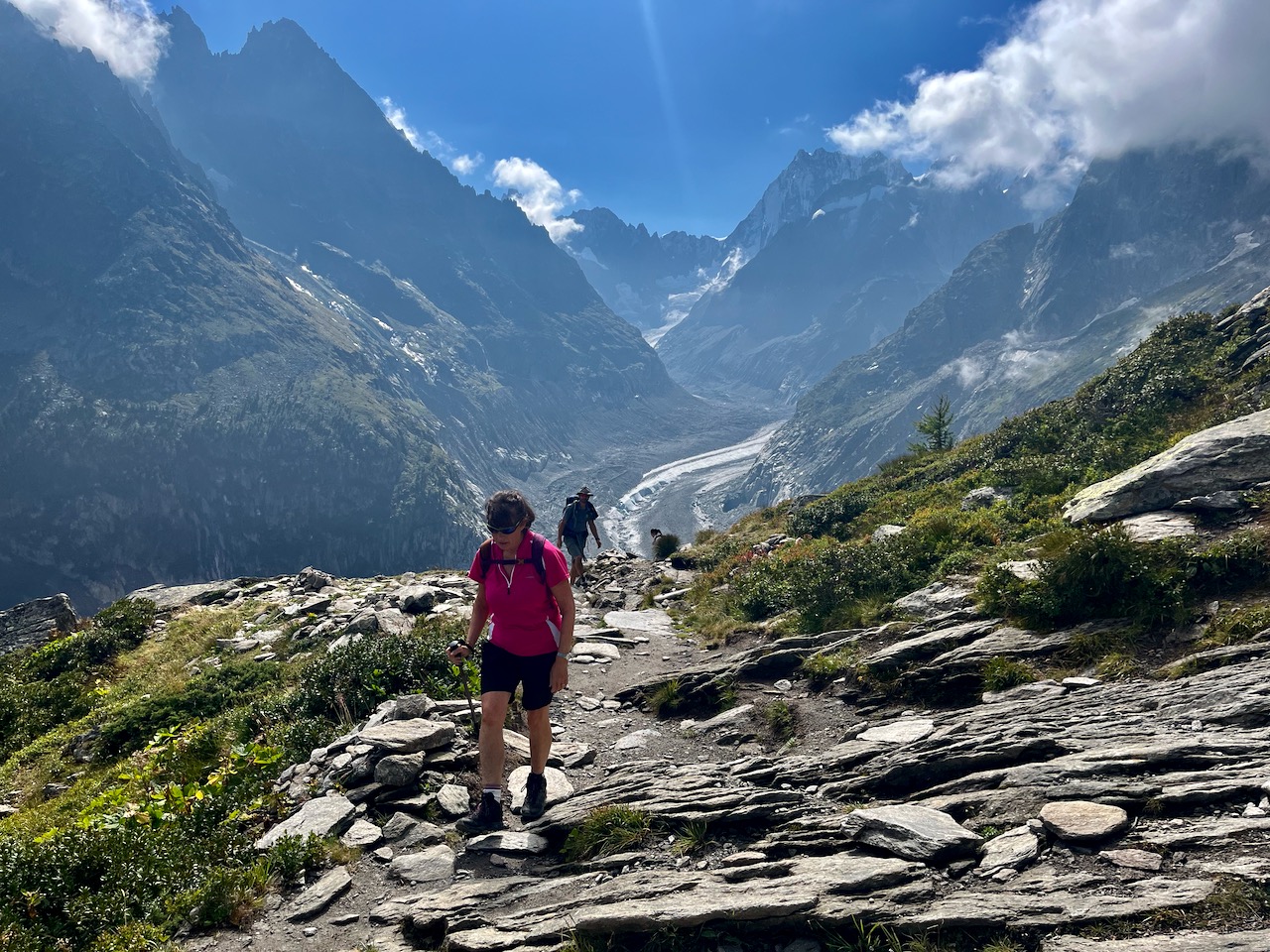
Best Walking Boots for the Alps Summer Holidays

FrancesLCE5

10 July 2026

No Comments

Best Summer Walking Boots for Chamonix and the Alps


The summer is now well upon us and many visitors well now be thinking about their packing list. And top of the list, after the sun protection cream, will probably be the footwear. For those who are not regular visitors, the question of what type of shoes or boots will I need can be a daunting question.


This said, if a great holiday in Chamonix could well be just walking around the beautiful town itself, or if you’ve booked one of the best chalets in Chamonix, sitting by the swimming pool and or sitting on the terrace enjoying the sunshine with an aperitif, then just comfortable footwear should be ok. But for many others, a Chamonix summer holiday will involve getting out into the forest, the mid-mountains, and our high peaks for some sight-seeing and exploration on some the great routes and best walks in the Chamonix’s Valley. In which case, the right footwear can make the difference between an enjoyable Chamonix holiday, and an outstanding one. So if you are in the latter camp, please read on.
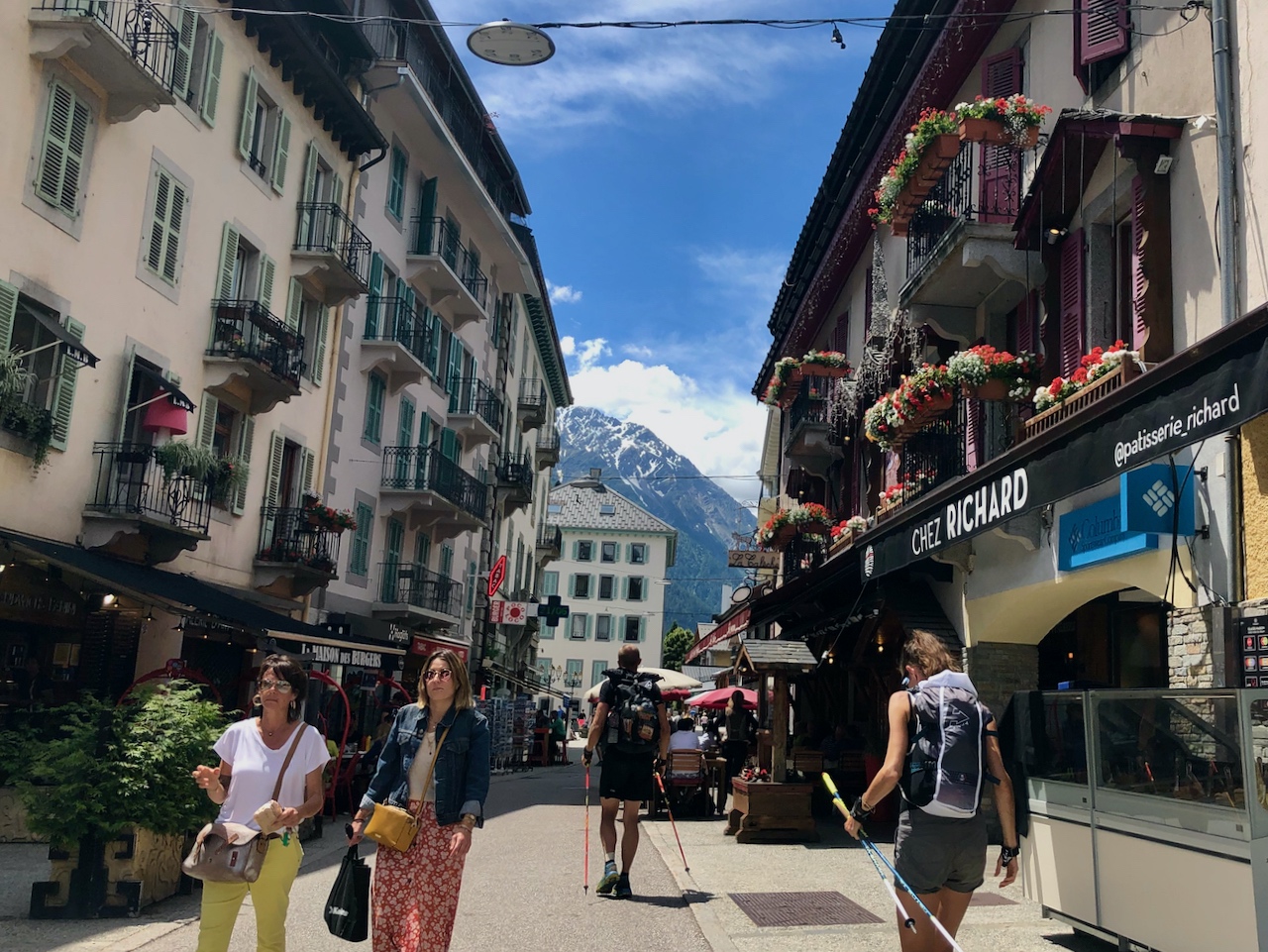
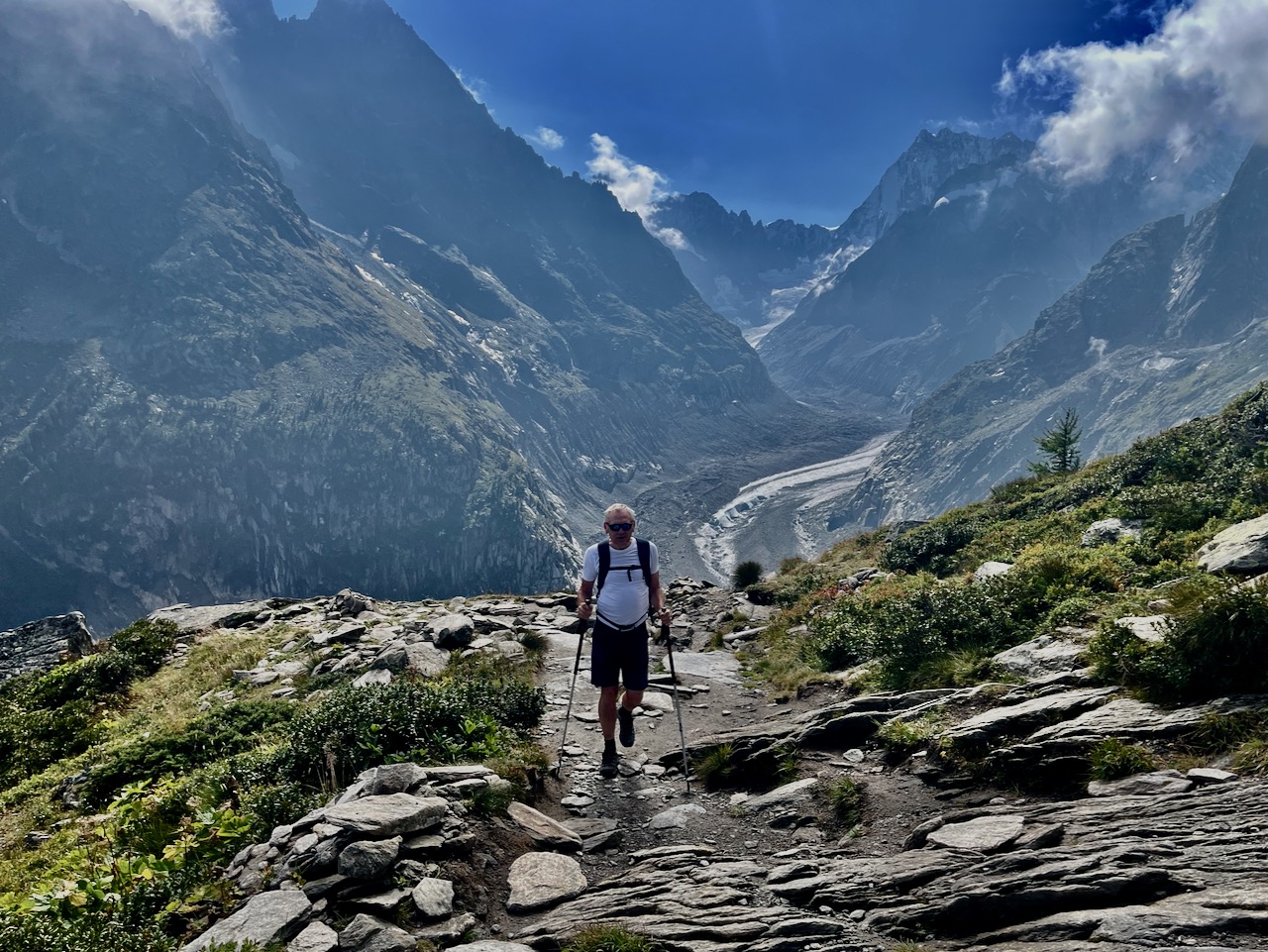
Chamonix Summer Holidays and Walking
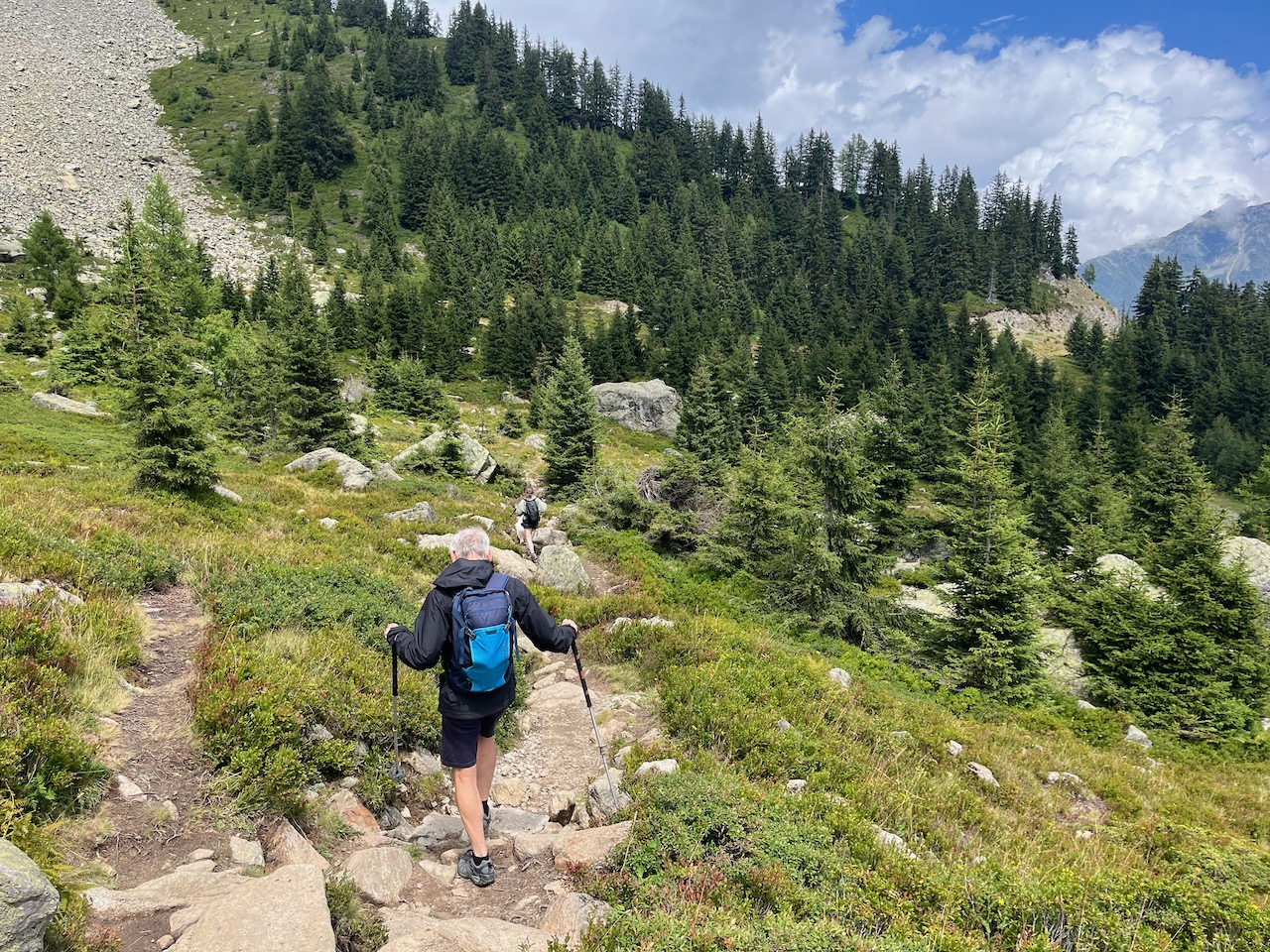
Best walks in Chamonix - Grand Balcon Nord

All Feet Are Different – So One Brand or Boot Doesn’t Fit All


Before we get deep into the what, please note we won’t be recommended particular brands, or shoes. Why, well, have you noticed how variable the shape of feet actually are. It is the same in terms of  brands widths, shapes, designs, etc. So instead we will share with you our experience and knowledge of what type of boot you may need, and then allow you to go to a reputable dealer to try some on, based on your actual summer holidays preferences and requirements. By reputable, we mean someone who understands all feet are different, will measure the length and width, and advise on any insoles, and make sure they are ‘fit’ for your holiday.

When In the Summer Will You Be Using Your Boots


First things first, we actually have three sets of boots, one set for higher hills summer walking, one set for spring and autumn, and one set for low level paths! While the terrain we walk does of course change a little, the predominant reason is weather, and more to the point, temperature. The warmth of our thicker spring and autumn boots are great on cold mornings in April, but far too warm for the warm, sunny days in July and August, unless we intend to go trekking above 3,000m (we are excluding lift stations, viewing platforms, etc. here) and we then need something more robust, and sometimes crampon compatible.


What Will You Be Using them For


The last point brings us to the question of what will we be using them for. Here, honesty with oneself will help you make a better choice. If you having been doing much walking before your trip to Chamonix, and or the Alps, it is less likely you will be doing anything too radical when you arrive, so a more forgiving, beginners boot should suffice. Whereas if you are a seasoned walker, and want to be walking up, and down to mid-stations and above, something slightly more heavier, and stiffer soled might serve you better.

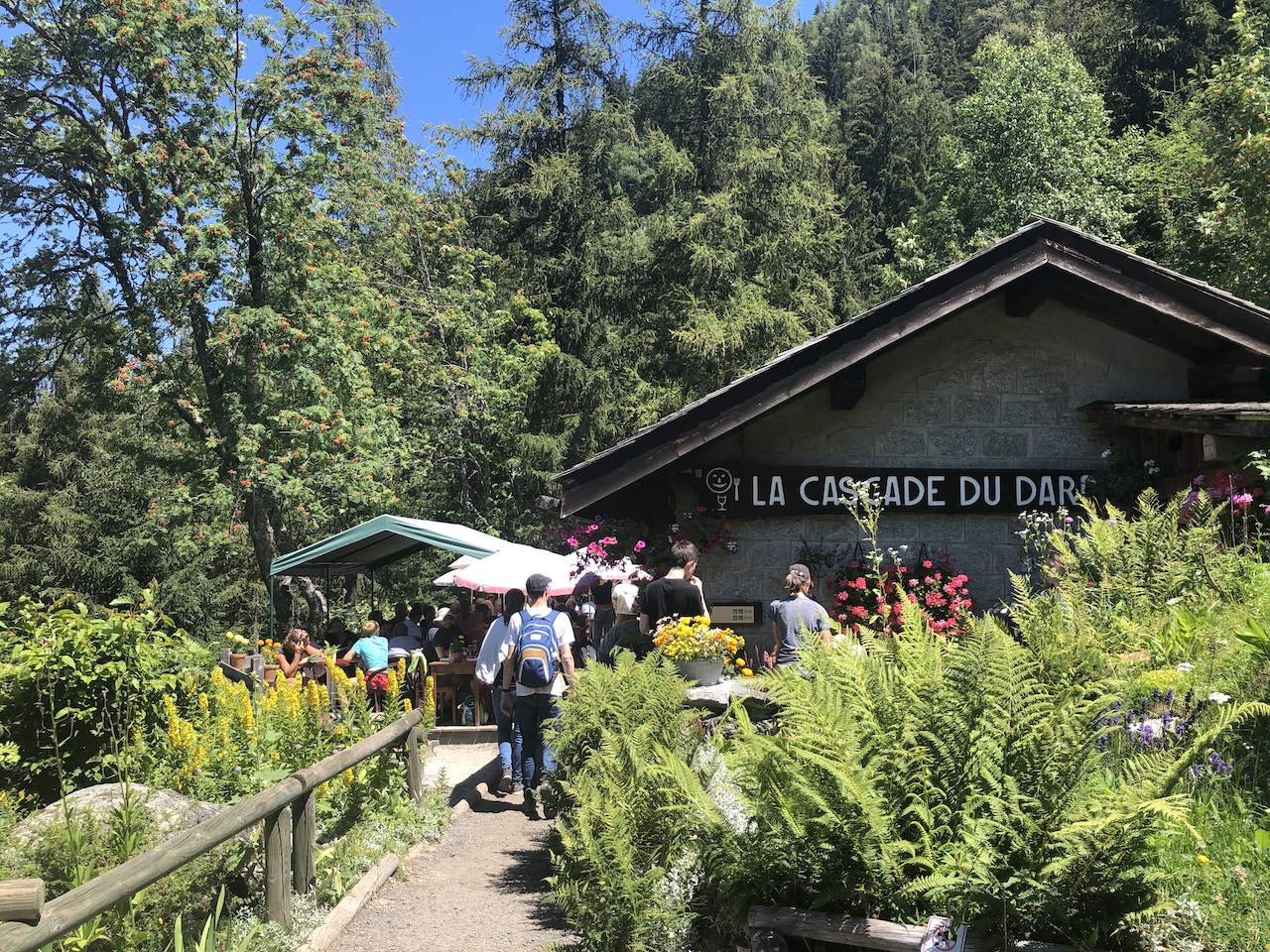
La Cascade du Dard
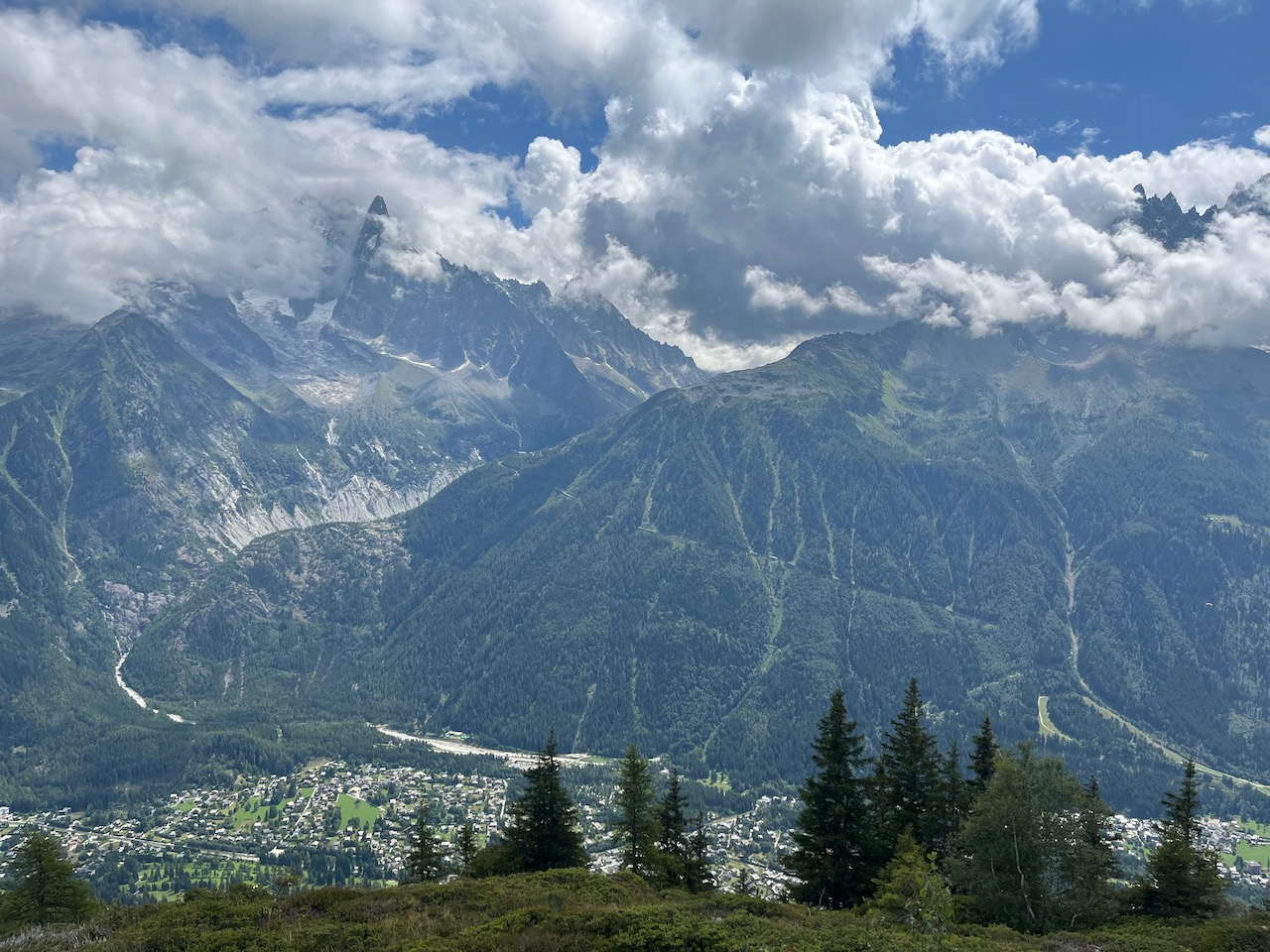
Best walks in Chamonix

Pros and Cons of Different Alpine Walking Boots

Lightweight Summer Hiking Boots


Who they suit: Beginners, day hikers, those sticking to well-marked trails.
Features:
  • Lower ankle height (mid-cut)
  • Lightweight materials like synthetic mesh or split leather
  • Moderate tread for grip on established paths
  • Some water resistance, sometimes full waterproofing if Gore-Tex or similar membrane
Pros:
  • Comfortable generally out of the box
  • Lightweight and generally better at expelling heat
  • Less fatigue over long distances
  • Adequate protection for most valley walks and easy trails
Cons:
  • Generally not so good on rocky, technical, or wet terrain
  • Limited ankle support – if you are prone to turning ankles, best avoided
Recommended for: Valley walks, lower elevation trails, and first-time visitors not venturing far from Chamonix or the lift station platforms.

Mid-Weight Summer Hiking Boots


Who they suit: Intermediate hikers, those tackling steeper or longer routes.
Features:
  • Higher ankle support
  • Durable leather or synthetic uppers
  • Stiffer soles for better support
  • Usually fully waterproof with a Gore-Tex membrane or similar
  • More aggressive tread for loose surfaces and rocks
Pros:
  • Enhanced support and stability on uneven ground
  • Better protection from rocks and roots
  • Weather-resistant

Cons:

  • Heavier than lightweight boots
  • Longer break-in period

Recommended For: Moderate mountain trails, multi-day treks, or routes involving loose scree and occasional snow patches.

Heavy-Weight Mountaining Boots


Who they suit: Experienced trekkers, mountaineers, those tackling higher mountain routes, or high alpine routes, but limited glacier or snow contact.

Features:
  • Very stiff and robust construction
  • High ankle coverage
  • Insulation for colder conditions
  • Some are compatible with strap-on C1 crampons
Pros:
  • Maximum protection and support
  • Suitable for technical ascents, snow, and ice
  • Extremely durable
Cons:
  • Heavy and less comfortable for walking on easy terrain
  • More expensive than lighter versions
  • Can be very hot on the feet on hot days in the valley
  • Overkill for most valley walks
Recommended for: High-altitude trekking, occasional glacier travel, and technical scrambling around Chamonix’s peaks.

Trekking / Trail Running Shoes


Who they suit: Fast hikers, trail runners, experienced walkers seeking agility, those prioritizing light weight.

Features:

  • Low-cut, flexible design
  • Lightweight, breathable materials
  • Aggressive tread for grip
  • Minimal or no waterproofing (some have membranes)
Pros:
  • Extremely light and agile
  • Quick drying
  • Ideal for warm, dry conditions
  • Great for those with strong ankles and good trail awareness
Cons:
  • Minimal protection from rocks and roots
  • Little or no ankle support
  • Not suitable for technical or snowy terrain
Recommended for: Trail running, fast hiking, summer walks on dry, non-technical trails.
;