The Best Skis For My Holiday

FrancesLCE5

01 December 2025

No Comments

The Best Skis for My Ski Holiday

The best skis for my holiday, this is a question we are often asked and the answer is more complex than many realise. And while I myself in one’s youth may have over-estimated my ability, longer skis back then with great rigidity, selecting a ski that doesn’t suit your ability, or the terrain you intend to ski, is definitely counter productive.


Lots of Skis To Choose From So Where To Start


Skis come in a variety of shapes, materials (wood or metal in particular), lengths, widths, with rocker, a camber, and for types of terrain and conditions (hard packed, soft snow, off-piste, powder) you name it.

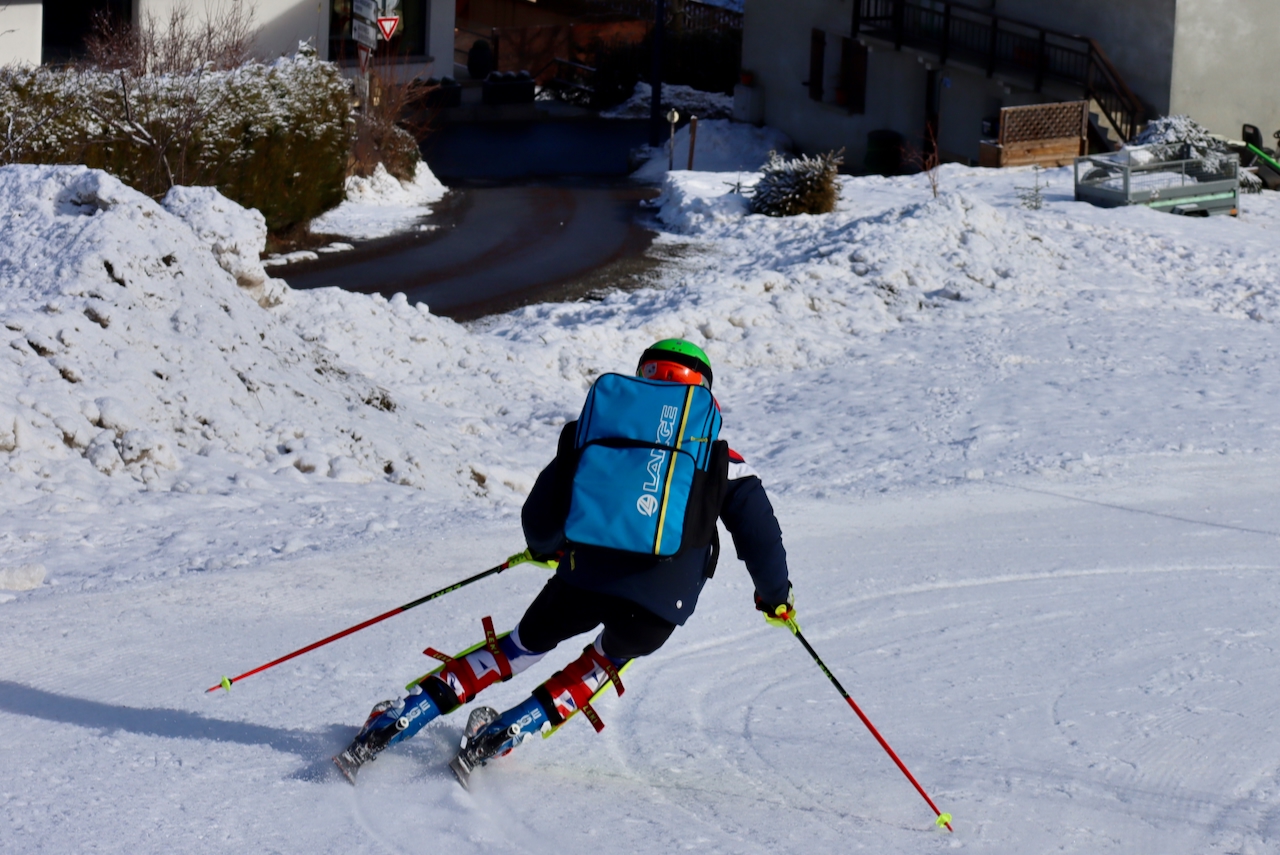
Ski racer carving down a snowy slope with a backpack, practicing race turns in a mountain village setting.
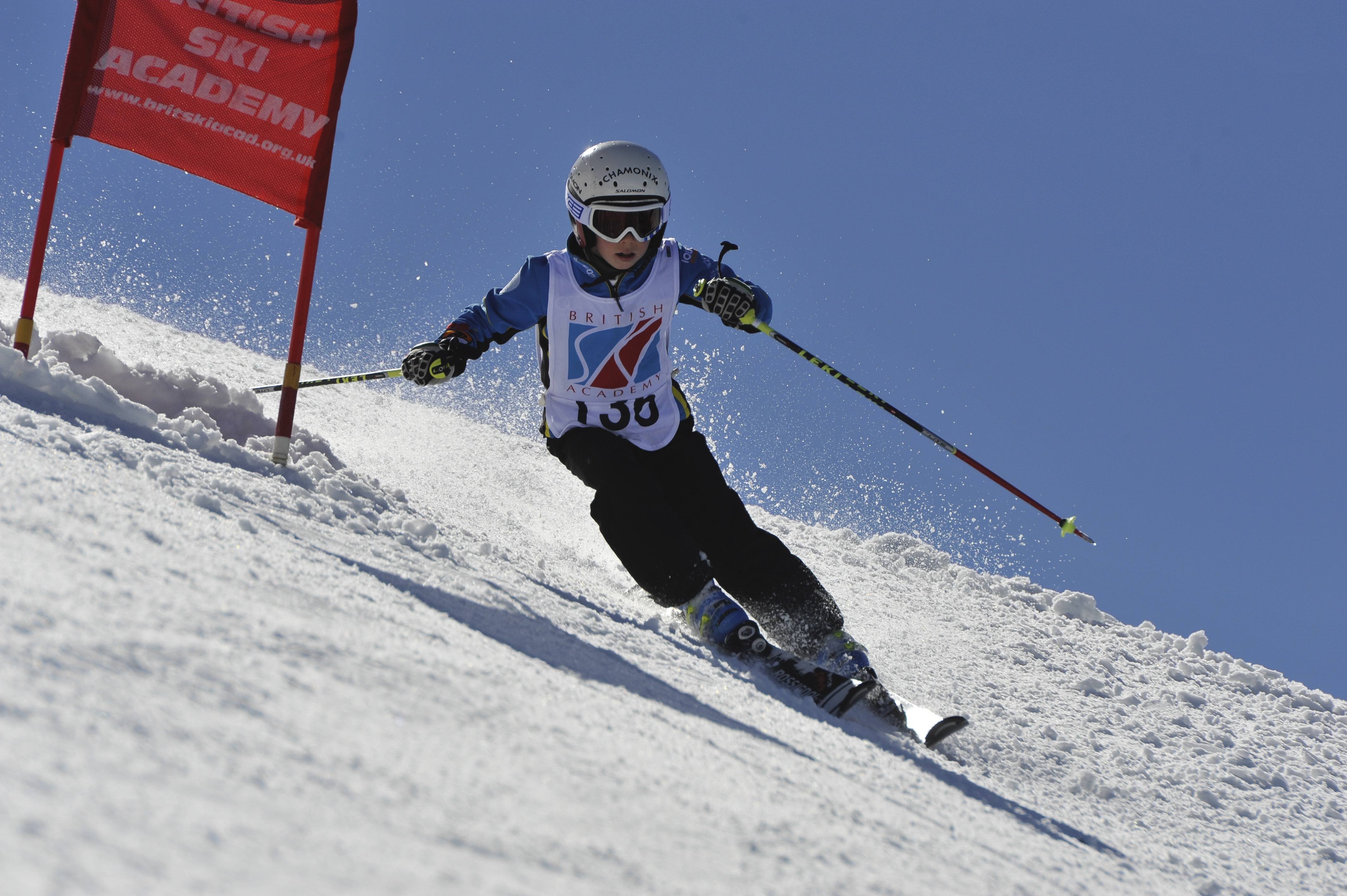
Ski Competition Chamonix

Best Skis for Beginner


If you are a beginner, then you will, assuming you are being sensible, be starting on the piste, and it will be several weeks before you are venturing away from such. Beginners skis tend to be shorter, flexible, so they are forgiving in the turn. Greater rigidity carves quicker, but will ‘kick a skier out’ if they are not in control (progressive) in the turn. A little like a sports car or go-kart, turns quickly, but if not in control, can throw you out if you oversteer or understeer. The best skis for a beginner will therefore be a carving ski. This means that you will notice that the best skis for beginners have tips, front and back are wider than the waist, the middle of the ski. The middle being typically around 78mm – 82mm. With circa 110mm at the front and around 105mm at the back.


Top tips and what to expect when choosing a beginner ski:


  • Length: Typically between the chin and nose.
  • Flexibility: Soft flex.
  • Weight: Ideally lightweight to enable easy turns, especially for lighter skiers, to boost confidence.

Best Skis for Intermediate Skiers


The term intermediate and the skiers ability we find will depend from country to country. But for the purposes of this article, we are classing early intermediates as skiers with at least 4 weeks (typically 6) experience, able to link parallel turns, and ski a variety of listed runs, at least to a red piste standard. The best skis for intermediate level skiers are going to be predominantly piste based, but as people progress to a good standard, while mainly piste focused, they may also be able, and subsequently designed, for some off-piste terrain (all skis can do both, but there is a marked difference in their capability). The best skis for intermediate skiers are stiffer than beginner skis, so less flex, but they still have some ‘forgiveness’ in them to allow intermediates to progress, without knocking their confidence with a ‘kick out’ and probable fall every other turn. Particularly for early and most intermediates, the best intermediate skis will be more ‘sidecut’ curve in the ski to help initiate, and finish, with stability in the turn (the carve). As one progresses, a competent, confident intermediate skier might start to look at a ski that while favouring on-piste skiing, allows them to move to the sides and try a little off-piste (assuming they are competent in terms of safety on such), and or moguls. Here they may be a little wider ‘under foot’ (middle), and less pronounced side cut.


Top tips and what to expect when choosing a beginner ski:


  • Length: Typically around the nose and forehead.
  • Flexibility: Medium flex.
  • Weight: Generally a little heavier to push through the snow on reds and blacks.
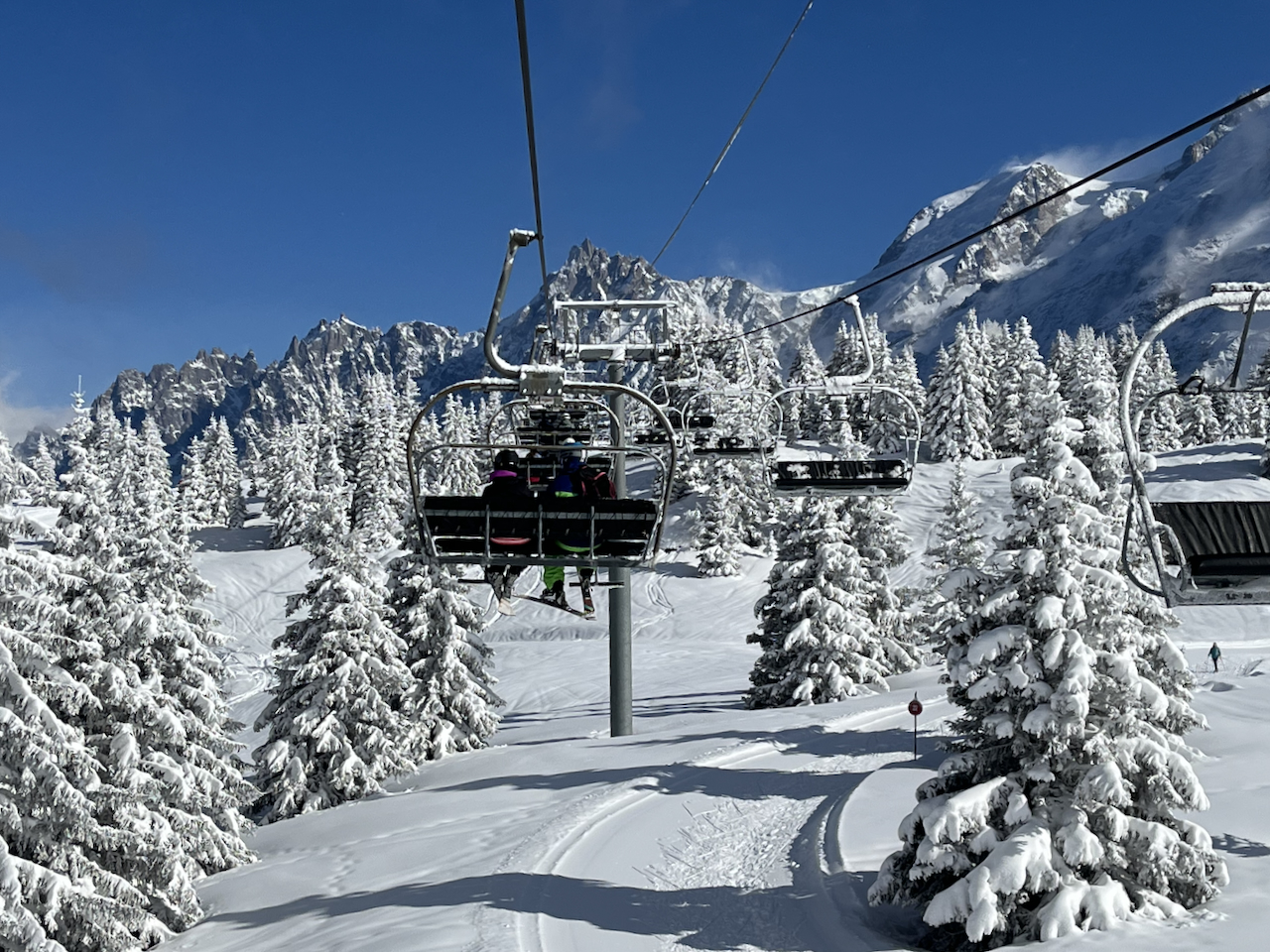
Chamonix Ski Lifts
Family Ski Holidays Chamonix

Advanced Skis For Advanced Skiers


Once we enter the advanced ski arena, the choice of best skis becomes far more complex. Here we are the realms of deciding whether we go for something that suits our specific preference (carving, moguls, off-piste) or something that is more all round, often referred to as an all mountain ski. In an ideal world, you’d have one for each. The reality is, for most, is that having several pairs of skis is a luxury that we just cannot justify.  So which should we go for. In our case, we chose to go for the all mountain, 92mm – 98mm under foot and 1omm-18mm wider at the tips and rear. Advanced carving skis (recreational) are less under foot, with powder skis wider. They are also stiffer and as a consequenence, less forgiving if you make a mistake or are not yet at the right level to ski them. The latter is often a mistake holiday makers sometimes make. Either over-estimating their level, or keen to appear the expert. This leads to a lot of slipping, sliding and fighting the ski as they try to turn, rather than working progressive through the turn with a lovely flow (carve).


Top tips and what to expect when choosing an expert ski:


  • Length: Typically between the forehead and just above the head.
  • Flexibility: Limited flex.
  • Weight: All mountain are generally heavier, whereas a ski for rando will be lightweight.

Other Terminology When Choosing A Ski


The other term you may hear is camber and rocker. The term camber refers to an upward curve under foot (middle of the base of the ski) with the front tips and rear tails maintaining contact with the ground when unweighted. A cambered ski is great for turning, often referred to as edge control on hard-packed snow, and therefore good for carving turns. The term rocker refers to the opposite (a reverse camber) and therefore features a downward curve under foot, with the front tips and rear tails off the ground. This allowing for easier turns and flotation in powder. Notwithstanding, a ski with ‘rocker’ is often more forgiving, making it suitable for softer snow conditions and for skiers looking to navigate variable terrain, e.g. at the end of the day as slopes become more cut up. You can find skis that have both, combining camber and rocker elements. These offer a more all round, balanced performance and while master of none, they are good in a variety of conditions and ski ability, making them versatile choices for all-mountain and freestyle skiers. Understanding these profiles will guide you in selecting skis that best match your skiing preferences and the conditions you’ll encounter on the slopes.

CHX Local, luxury chalet chamonix exclusive
Ski Rental, luxury chalet chamonix exclusive

Concluding The Best Skis For My Holiday


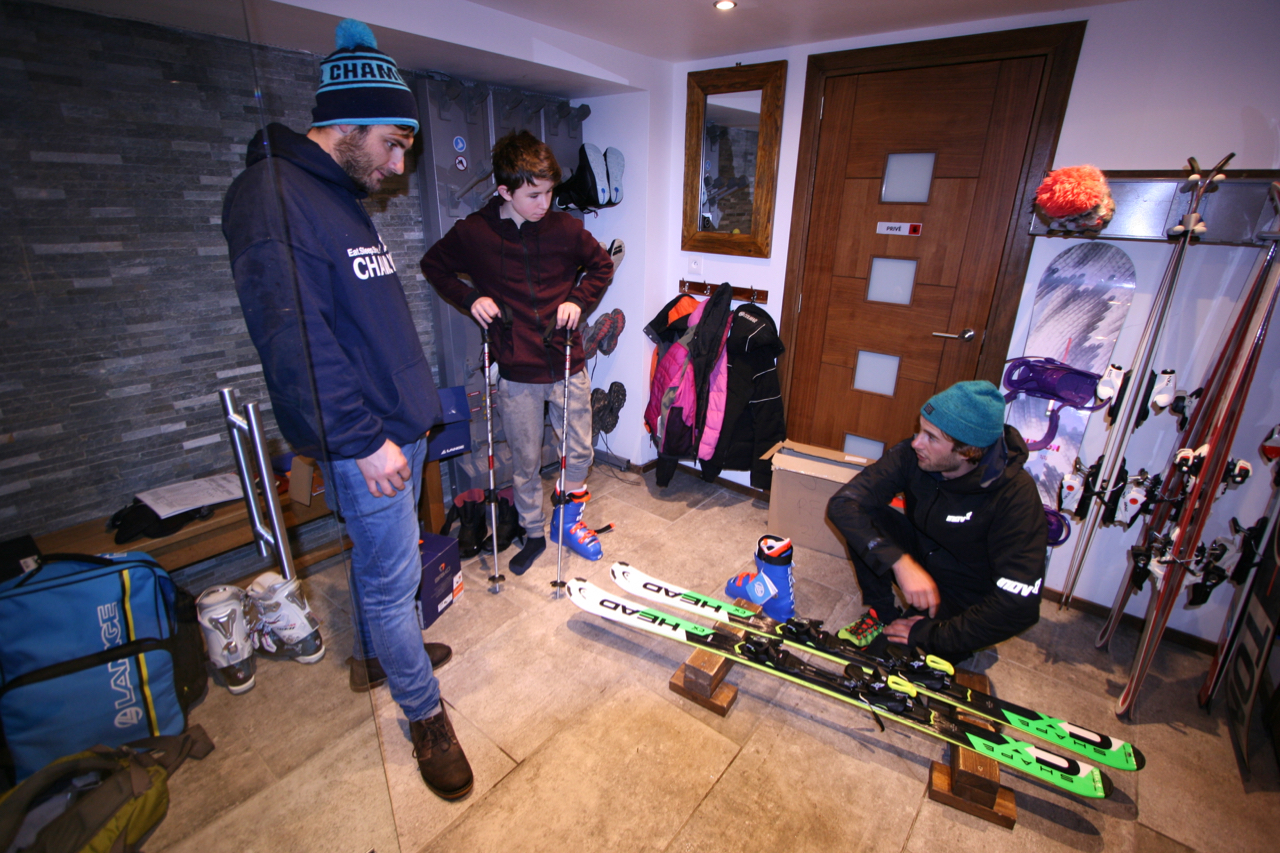
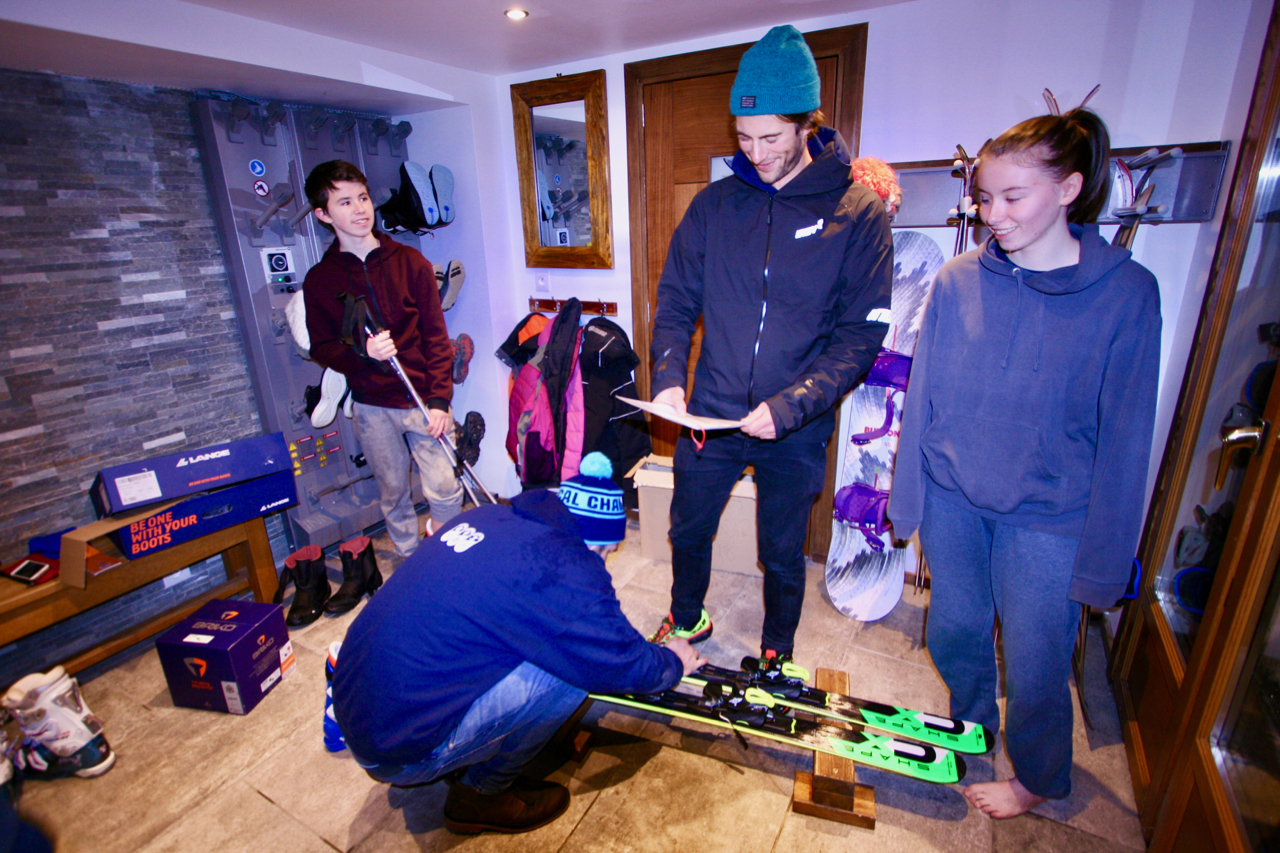
The choice of skis is nowadays wide, for all sorts of terrains and conditions. Getting it right will make a big difference to your skiing. If the ski is not at the level you are now, it will be hard to progress, as your ski won’t be responding possibly to your style and ability. This said, too high a ski for your level, and it will be difficult to control and turn, and may kick you out, not once, but often, making your holiday an uncomfortable one. So be honest with yourself about the level you are and the conditions you intend to ski. Do your research, if you can, test the ski first, and if hiring, seek their advice, and if does feel right, ask them to change. Good ski hire shops in Chamonix will do this for you.


;