Col de la Colombiere

FrancesLCE5

17 September 2024

No Comments

Cycling the Col de la Colombiere – Tour de France Hill Climb


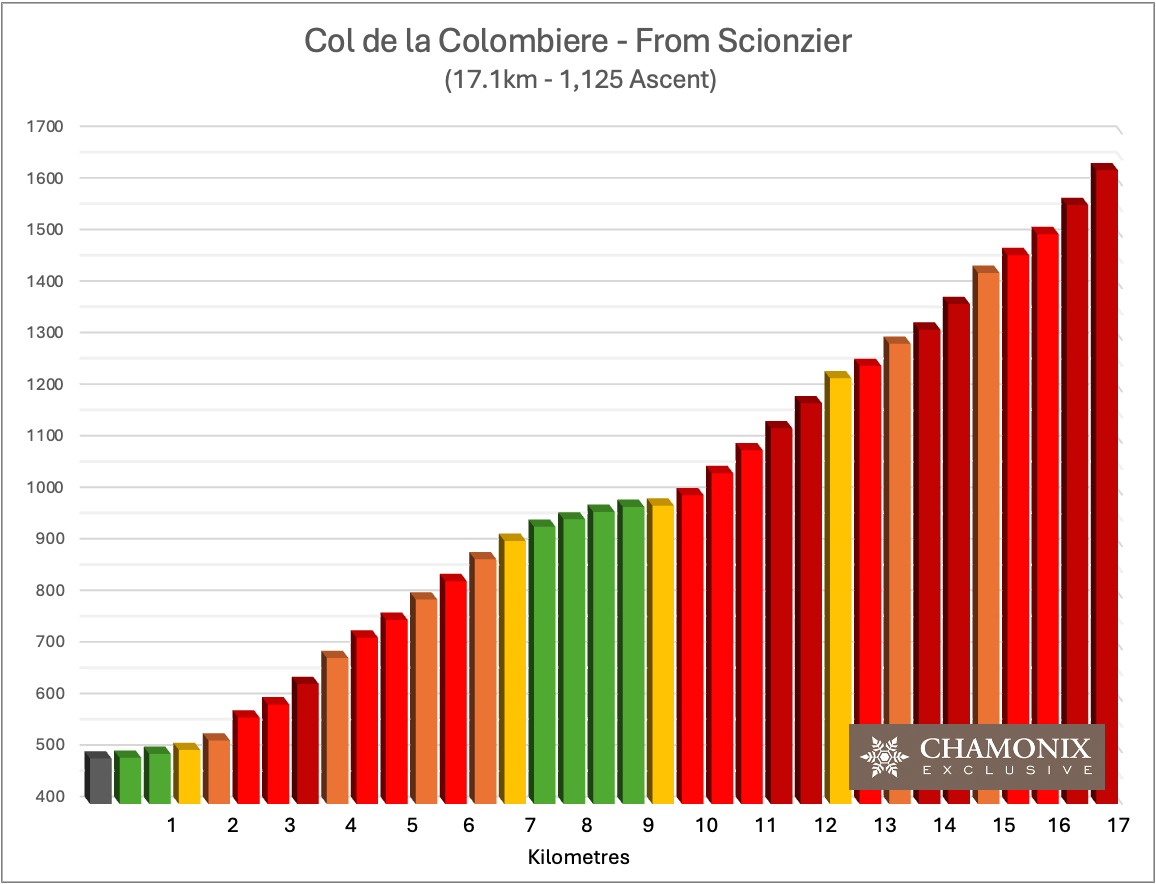
One of the French cycling classics, the Col de la Colombiere (45.992188 6.475529) is a Category 1 climb featured 20 times in the Tour de France. The main route is 17.1km with over 1,125m of ascent, taking you through Scionzier at the start. Due to its steep gradient at the beginning, the alternative, less favoured route is via Romme. This route is 22.3km with 1,476m of ascent. Most mere mortals like us will typically opt for the main Tour de France Route that takes you through Scionzier. It is well-signposted for cyclists to follow (signposted Col de la Colombiere with a cyclist icon). Whether going through Scionzier or Romme, you will eventually arrive at Le Reposoir for the second half of the climb, the last 8kms.


Col de la Colombiere Gradient – Scionzier Side


This main route has two climbing sections. The first section starts with an easy 1km to warm the legs up, then a good climb of just over 6kms, averaging around 7%. It has some steeper elements but is generally a comfortable climb for most fit cyclists at this stage. There is then a 3km flat section as you approach and go through Le Reposoir. As soon as you exit the small village, things get a little more interesting, with the next 7kms averaging 9%. Just for good measure, after 16kms, the last km is circa 11%. Beware also that the summit from around 2.5-3km away looks closer than it is!
Col de la Colombiere Climb

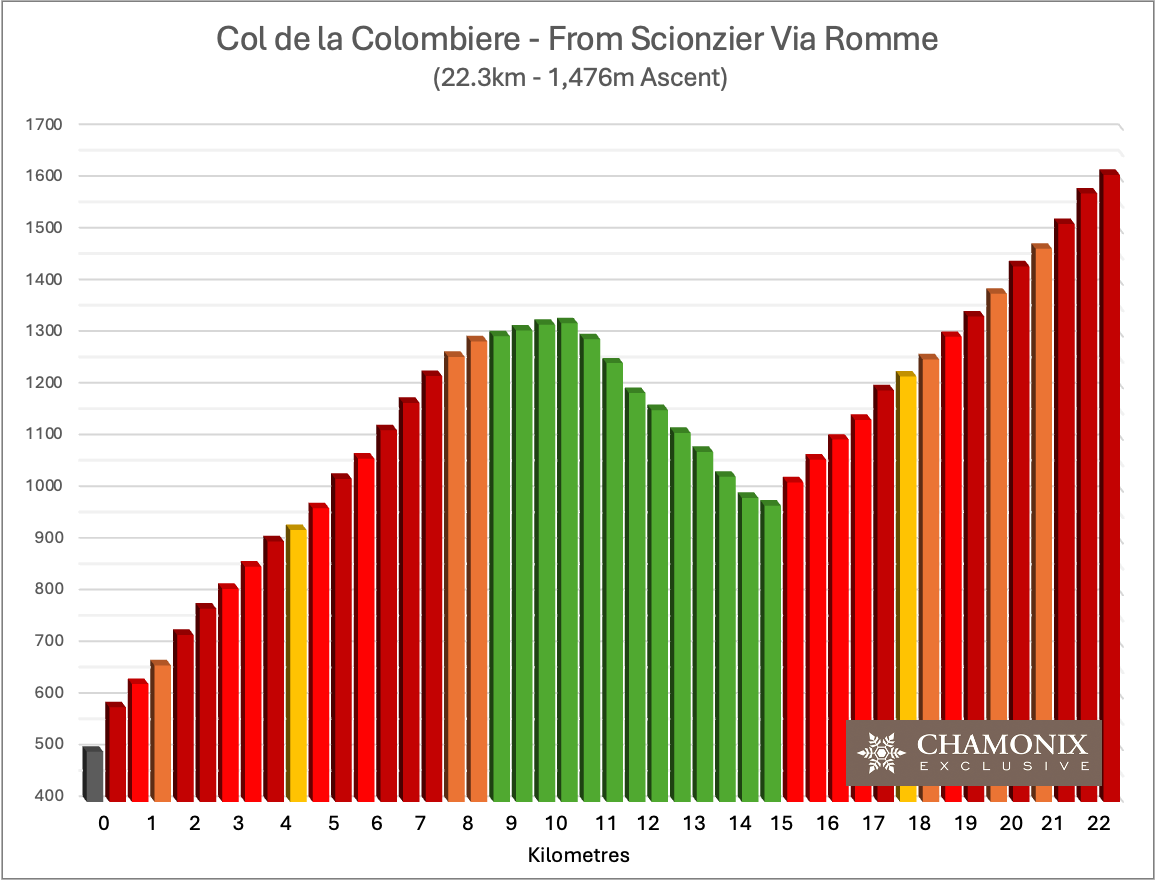
Col de la Colombiere From Scionzier, Via Romme


If you opt for the even more challenging ascent via Romme, turn left before Scionzier and head towards Romme. You will see the start of the climb from the A40, the main route between Cluses and Chamonix. The first cycling section does look daunting, and whilst it does get a little easier, as we have alluded, it is not for the faint-hearted, but it will add another to your all-important Strava stats.

Cycling the Col de la Colombiere

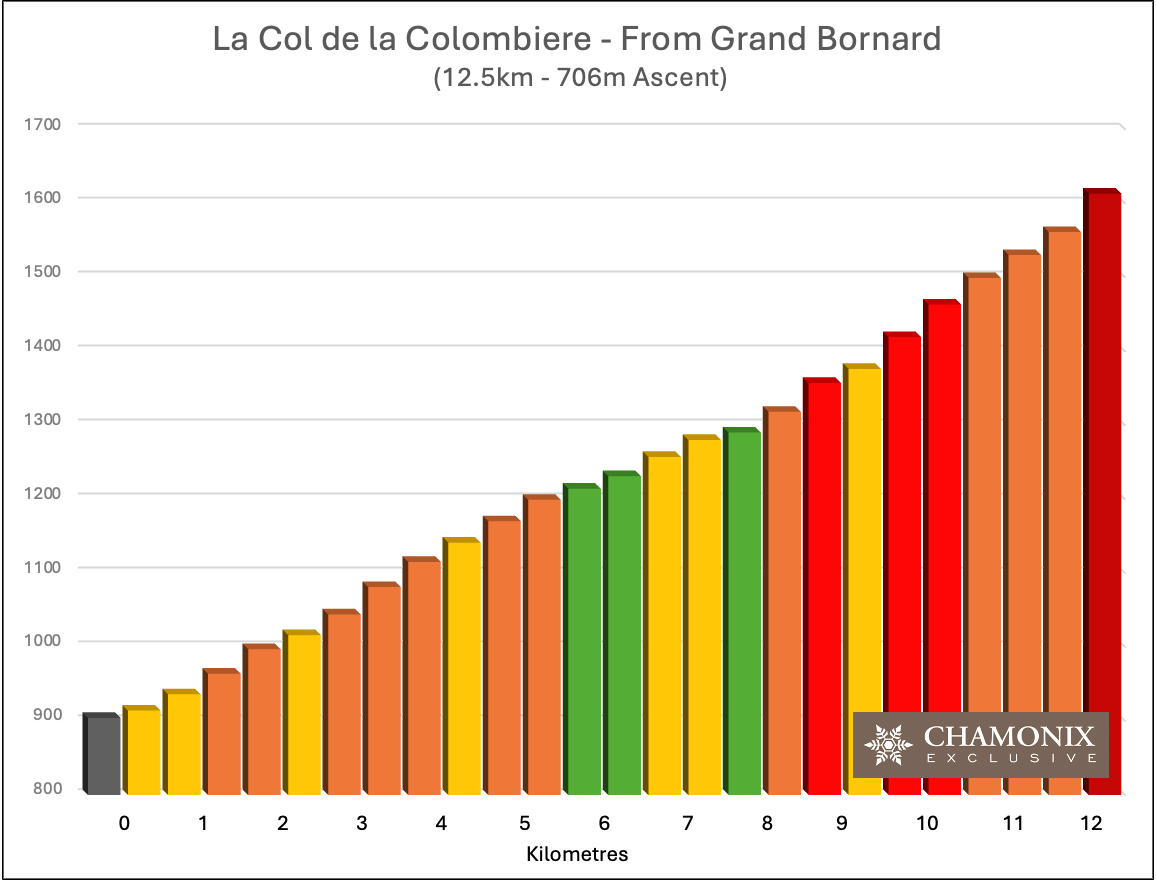
Cycling the Col de la Combiere from Le Grand Bornand Side


If you cycle from Le Grand Bornard‘s side, it is still a decent Categorie 2 climb. Most sections are between 4% and 6%, and only a few sections pass into the 8%+ category; this said, as you will see below, the steeper section is predominantly the last 2km.

Col de la Colombiere Gradient Grand Bornand

Which Route is Best?


So, which would we recommend? In our opinion, the Scionzier side is the more challenging and subsequently rewarding of the two. The main Scionzier route is the classic route, so it gets the vote for us. This noted the Romme route from Scionzier is nevertheless the hardest, so those who like to challenge themselves on difficult climbs might find this route to their liking. Having initially sided towards the Scionzier side, it depends, of course, on what you want to get out of your ride, your fitness level, the weather (heat), and the direction you are coming from. The Grand Bornand is the prettier of the two, so heading up this way allows you more time to enjoy this side’s stunning panorama, although both are beautiful. 


All three options are great rides, so take your pick! The Col des Aravis can easily be included in the mix, before or after, depending on the direction you choose!

What Is The Best Time of The Year To Ride The Col de La Colombiere

Cycling the Col de la Colombiere

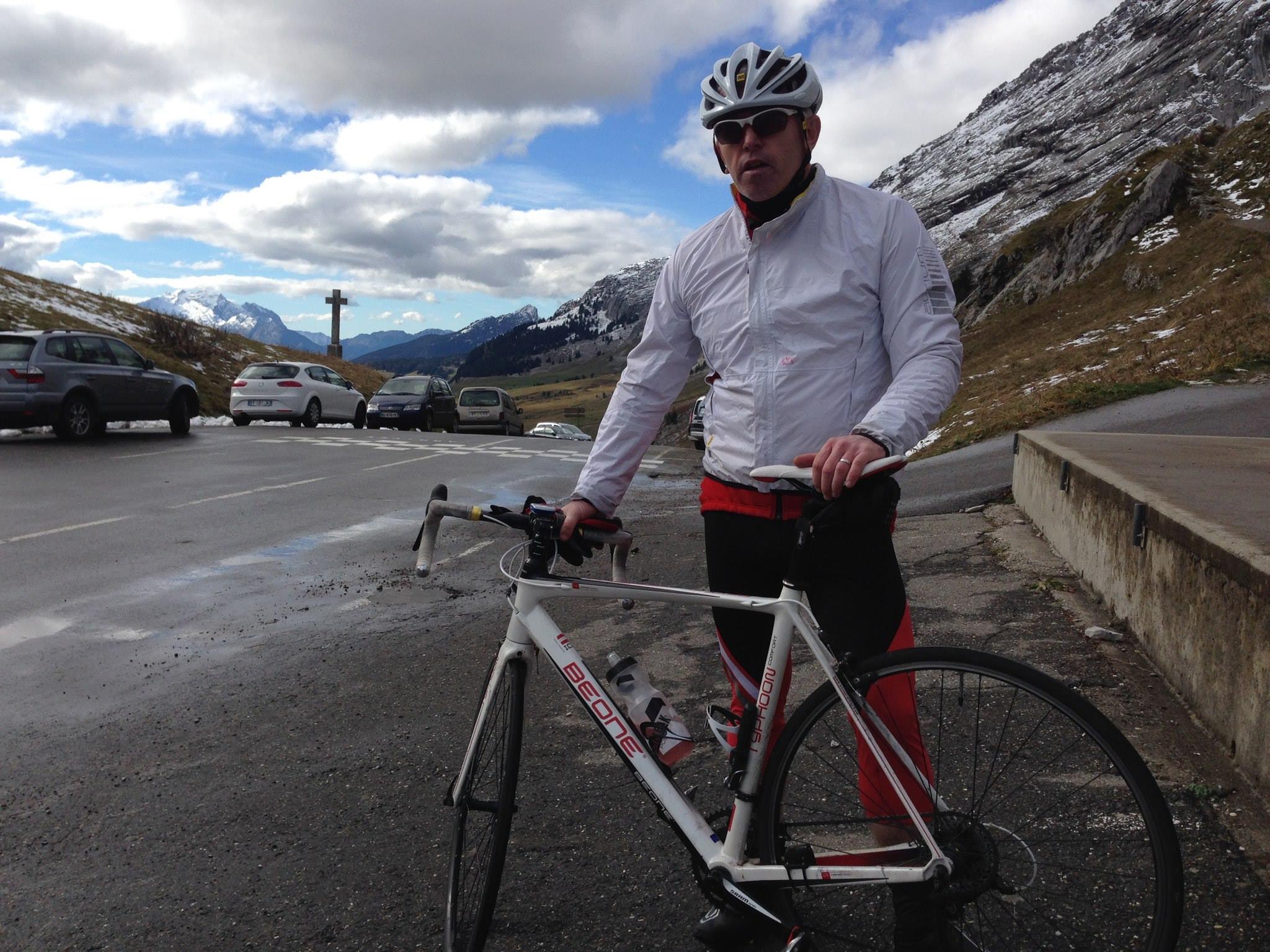
First things first, at 1,613m high, the Col de la Colombiere is high enough to see snow from around late October (as our photo above shows) through to May and sometimes June. A high-altitude road, it is almost always closed from November or December through to April, often May, and sometimes June. Occasionally, you can cycle the Col de la Colombiere past October, but even if the pass is open, expect it to be pretty chilly on top! We would certainly not advise riding it before June or after October, but as the saying goes, ‘you pay your money, you take your chance’.


So when is best to cycle the Col de la Colombiere? Our favourite time of year is mid-September. The temperatures are starting to dip, but there are generally enough sunny days to enjoy an excellent cycle climb. Warm, but not uncomfortable. The roads and summit are also less well-used as we head out of the peak holiday season. Mid to late June is similar but a little warmer.  July gets much warmer, so extra water is recommended, and August is often the same. August can be busier on the roads, too. It is never too bad, but at this time of year, we would head to a less well-known area/route; the Bauges National Park is a great alpine cycle route, for example.

;