Sustainable luxury holidays may seem like a contradiction in terms. And certainly, as we covered in our research around the early origins of the definition of luxury, originating from a meaning of opulence, and excess, you may at first be questioning our thinking. But as we also covered in this article, in the modern era, associations with excess are becoming outdated as luxury brands and services seek to take a more responsible position and ideology, and along with their discerning clients, seek to minimise their ecological, societal impact, overall impact. Still not convinced? Well, in today’s article we want to illustrate how sustainability and luxury really can go hand in hand.



Luxury Ski Holidays: A Commitment to Environmental Sustainability


Sustainable Luxury Holidays in Chamonix and the Alps
While the allure of luxury ski holidays is still strong, winter enthusiasts, certainly here in Chamonix, are much more aligned to the importance of sustainability, and responsible tourism in regard to the local population, its culture, and heritage. While luxury chalets in Chamonix and other ski resorts are known for their lavish accommodations, gourmet dining, and opulent amenities, they also recognise, and most importantly appreciate, and act on their significant responsibility to ensure that their practices are environmentally friendly and sustainable. This isn’t just an economic choice the ski operators are making, it is a moral, as well as a common sense choice one as we seek to fight global warming and preserve our winter ski holidays.
So how are luxury ski holidays shifting, for visitors, chalet operators, and ski resorts as they seek to embrace the environmental, social consciousness while still offering and enjoying luxurious, extravagant experiences.
1. Eco-Friendly Luxury Chalets
Luxury chalet constructors, their owners, and planners have already taken significant steps to prioritize sustainable architecture and eco-friendly designs in properties. Chalets in Chamonix for example being incentivised to use specific, environmentally friendly local materials, incorporating energy-efficient systems, and implementing water conservation practices. For instance, many Chamonix chalets are utilizing renewable energy sources like solar panels and geothermal heating to reduce their carbon footprint. They are also using specific materials that are friendly to the environment, managed wood, and avoiding wood treatment processes that are damaging to the environment.
2. Sustainable Transportation – Chamonix and the Alps
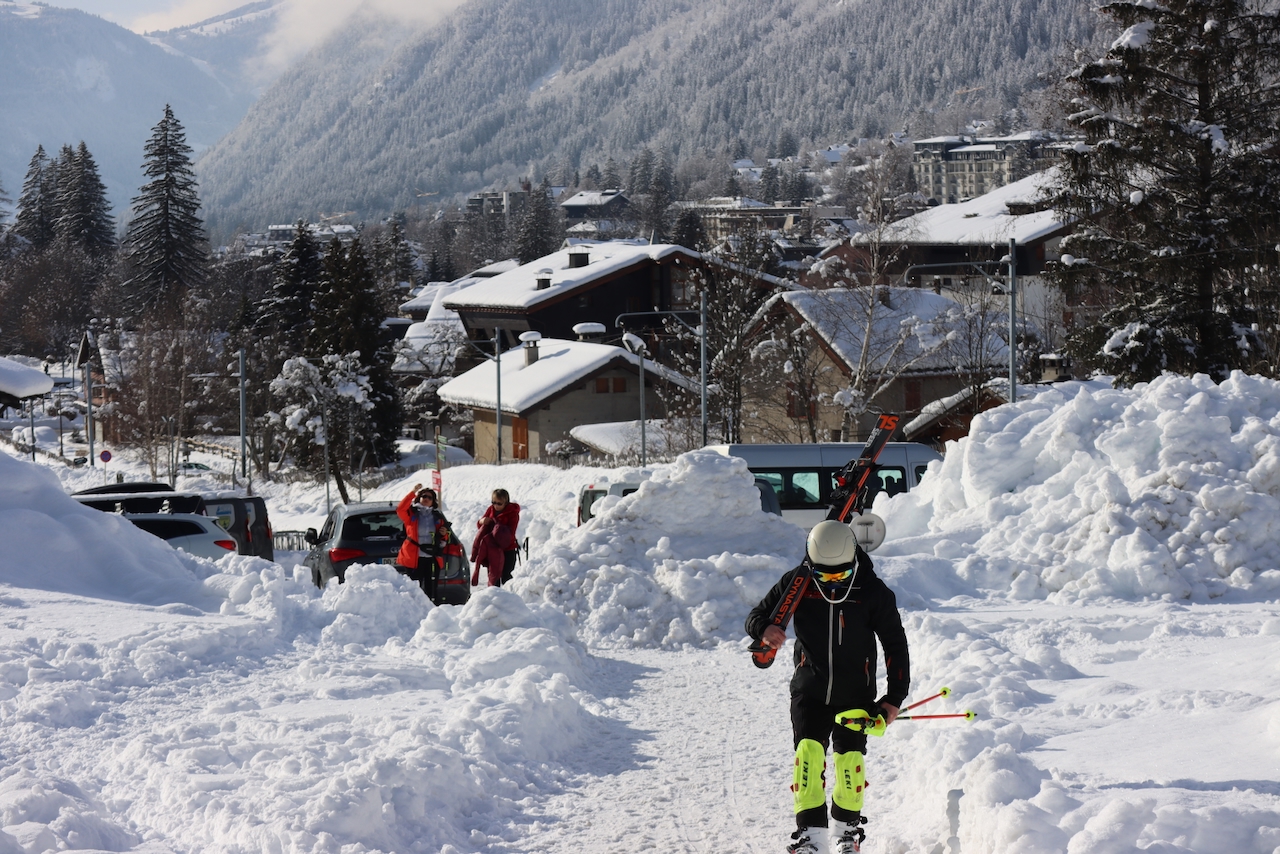
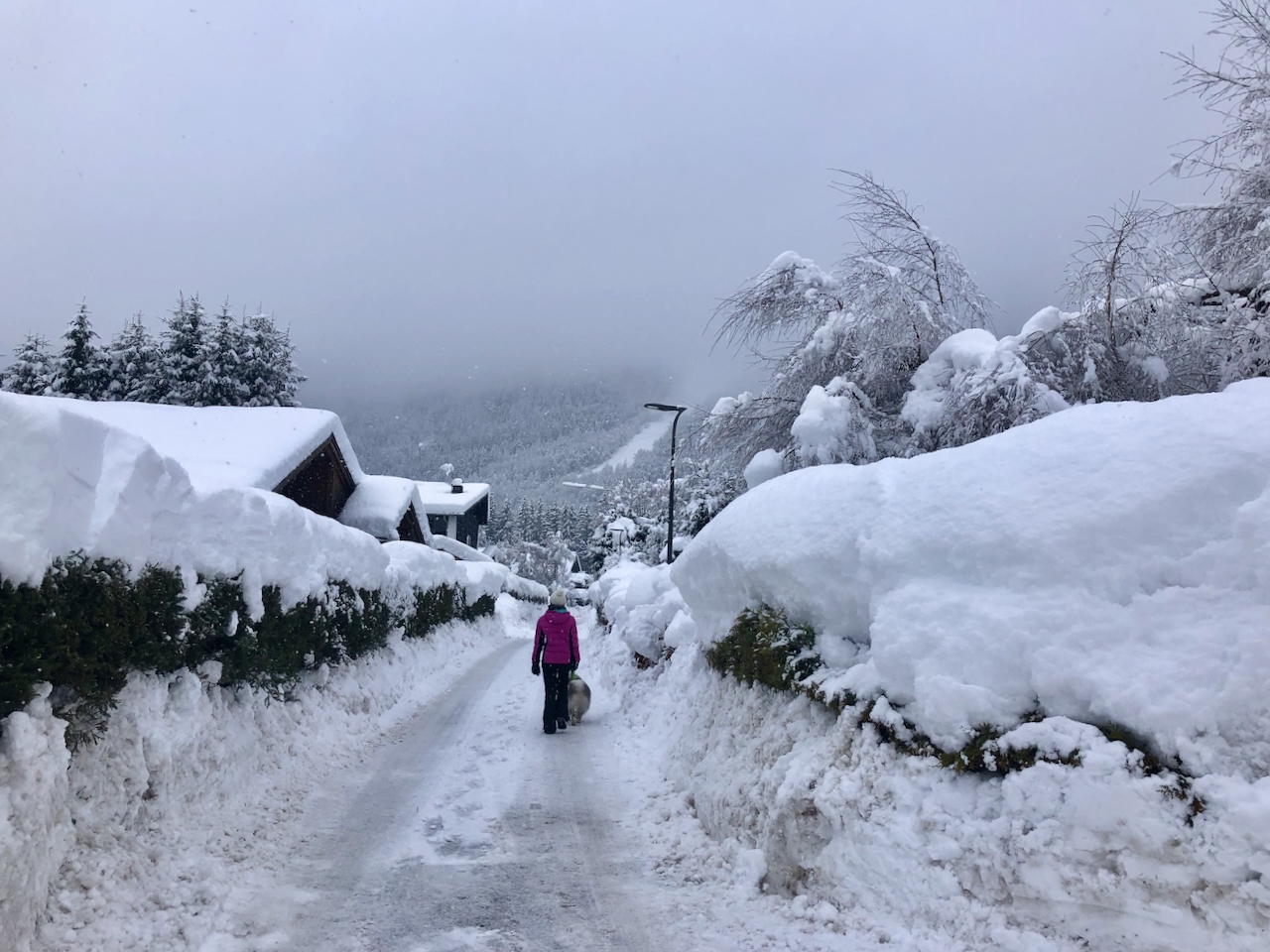
Transporting guests to and from ski resorts contributes significantly to carbon emissions. Chamonix and many other luxury ski resorts are seeking to reduce their environmental impact by offering free public transport, and operating electric vehicles where feasible to reduce the carbon impact. To get people onto the public transport system, ski resorts are also disincentivising other forms of transport. Car parks in Chamonix for example, once free, are now predominantly a cost to users to encourage visitors and locals to use the free public transportation (bus and train) to reach the slopes when needed, minimising the number of vehicles on the road.
3. Local and Sustainable Catered Chalet Holidays
Fine dining is often a highlight of luxury ski vacations, and many chalets we feature, as is the case in other ski resorts, are now focusing on sourcing ingredients locally and seasonally. This not only supports local farmers and reduces food miles but also promotes a fresher, more flavorful culinary experience. For example, high-end restaurants are increasingly featuring menus that emphasize organic produce, sustainably caught seafood, and ethically sourced meats.
4. Conservation Initiatives
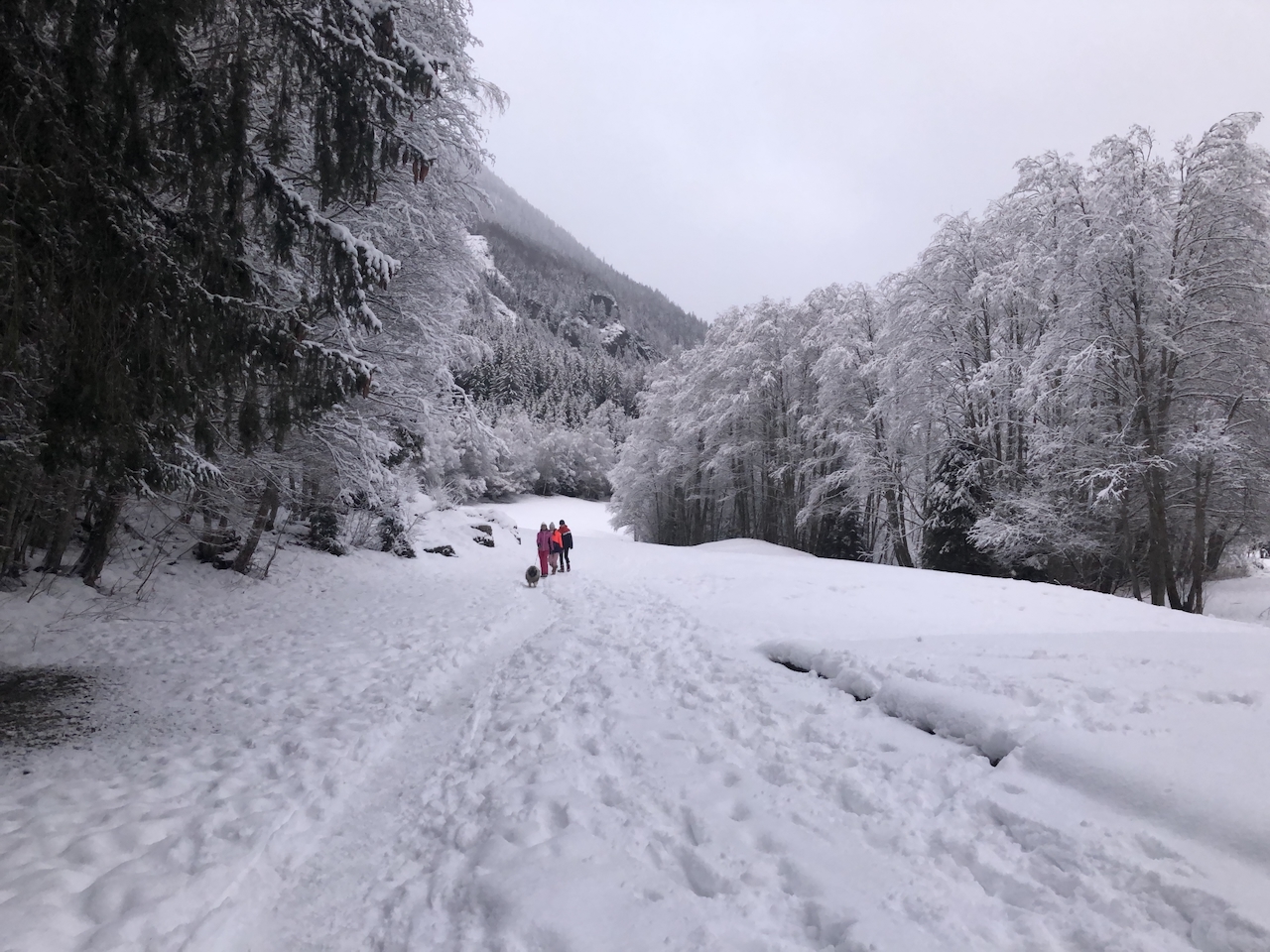
Luxury ski resorts and ski chalet operators are uniquely positioned to lead the charge in environmental conservation, embracing initiatives to protect local wildlife habitats and ecosystems. These efforts include reforesting projects, protecting endangered species, and educating guests about the importance of preserving the alpine environment and respect the flora and forna in particular. Some leading ski resorts have even set up programs that allow guests to contribute to local conservation efforts during their stay.
5. Offsetting Carbon Footprints
Many luxury ski chalet companies are now taking steps to offset the carbon emissions associated with their operations and their guests’ travel. This involves scenes such as investing in carbon offset programs, which support renewable energy projects or reforestation initiatives. By partnering with organizations that specialize in carbon offsets, luxury ski resorts can help mitigate the impact of their skiing operations, and model the way to encourage their visitors to do the same, particularly when travelling by plane.
6. Promoting Responsible Skiing Practices
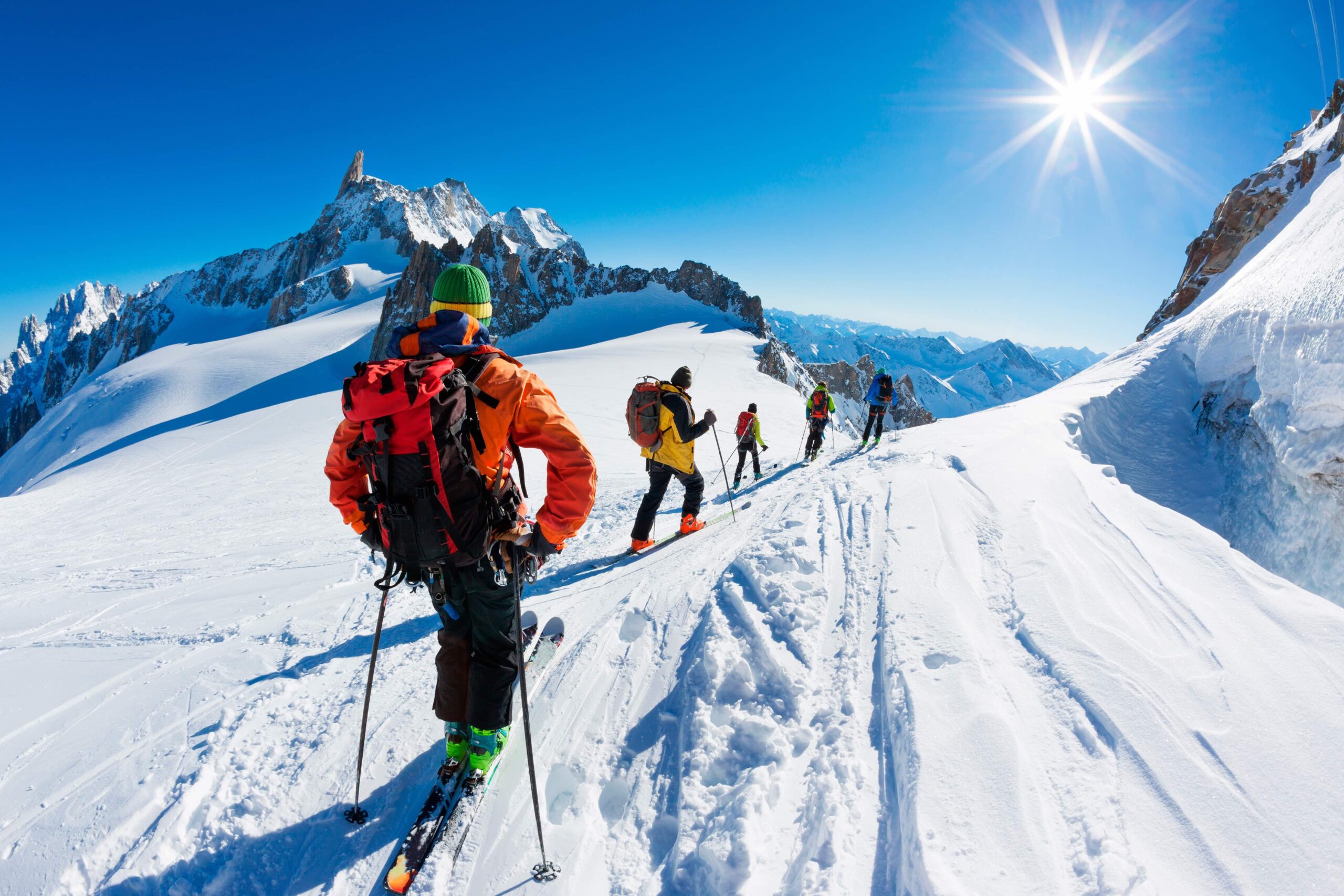
Educating and engaging with guests about responsible skiing practices we feel is essential (hence this article). Many luxury resorts are offering workshops on how to ski sustainably, including guidelines on staying on marked trails to protect fragile ecosystems and minimizing waste by using reusable containers and recycling. By fostering a culture of respect for nature, these resorts can empower their guests to be environmentally conscious while enjoying their luxury experiences.
Conclusion
To conclude, luxury ski holidays can and are aligning with sustainability, creating extraordinary experiences that respect and preserve the environment. By implementing eco-friendly practices in apartments, chalets, and hotel accommodations, transportation, and culinary offerings, luxury resorts are seeking to minimise their ecological impact. As travelers become more aware of their choices, the demand for sustainable luxury will only grow, urging the ski industry to embrace and promote environmental stewardship even more. With commitment and innovation, the mountains can remain a playground for future generations while retaining their unparalleled beauty for generations to come. The journey has definitely begun, but there is so much more that will need to be done.
Contact Us:

Connect With Us