Our previous article, The Definition of Luxury, provided us with some interesting research on the ever-expanding nature of the meaning of luxury worldwide and in the ski and alpine industry specifically. We concluded that while luxury was traditionally defined by exclusivity and high-quality craftsmanship, the luxury market now embraces a broader spectrum of experiences rather than merely products. As consumers become more discerning and values shift towards sustainability and personalization, the definition of luxury has evolved. This article, therefore, explores further how the luxury experience has transformed and continues to adapt to contemporary societal trends and what it might mean for alpine providers and the ski sector.



The Expanding Meaning of Luxury


Luxury Experiences: An Exploration of Its Evolving Nature
Historical Context of Luxury
Historically, luxury was synonymous with wealth and status, characterized by opulence and tangible goods. The rise of the middle class in the 19th century began democratising access to luxury, leading to the emergence of brands catering to an expanding consumer base. By the 20th century, the luxury market diversified, incorporating not just products but also experiences, such as exclusive travel and personalized services.
The Shift Towards Experiences
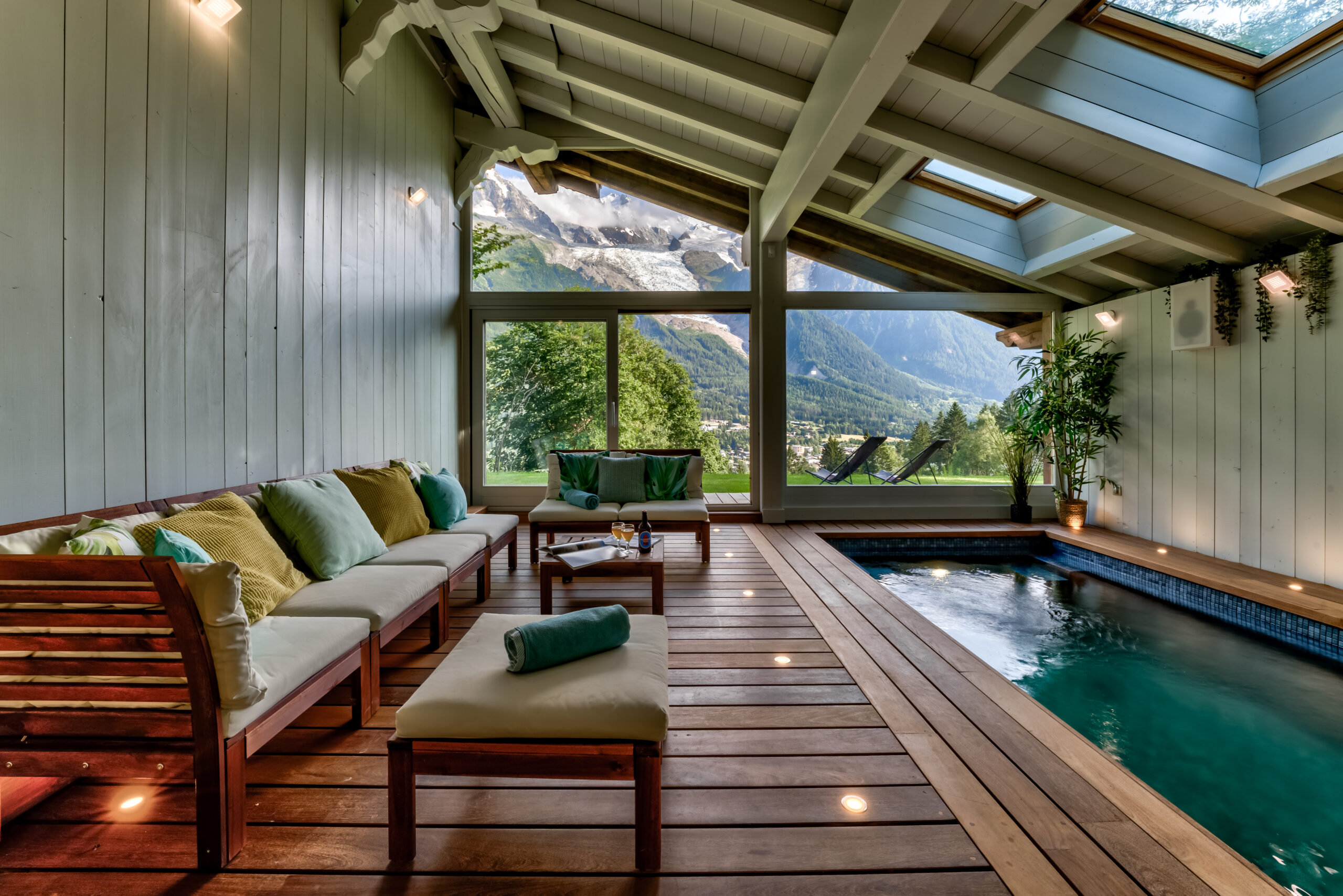
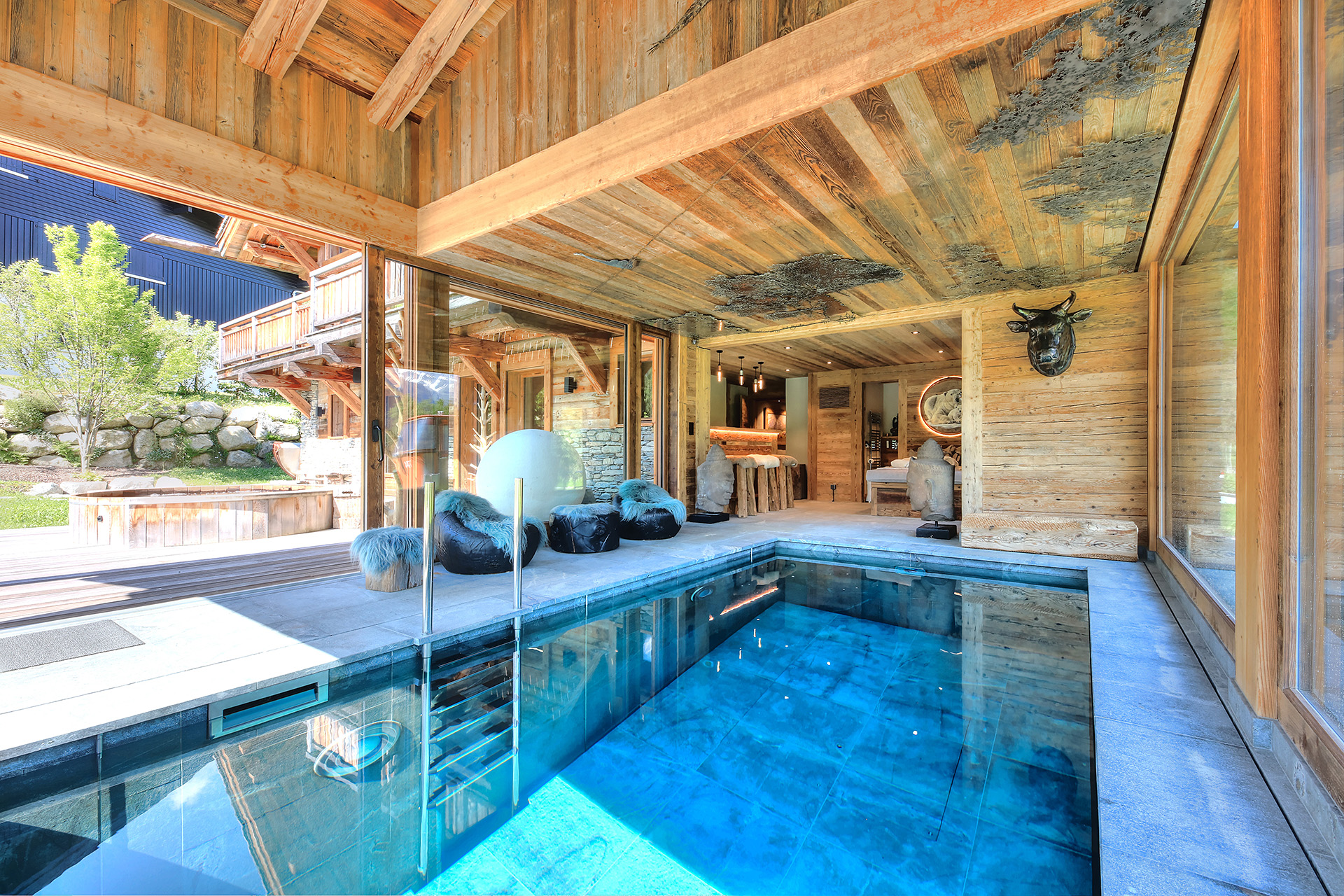
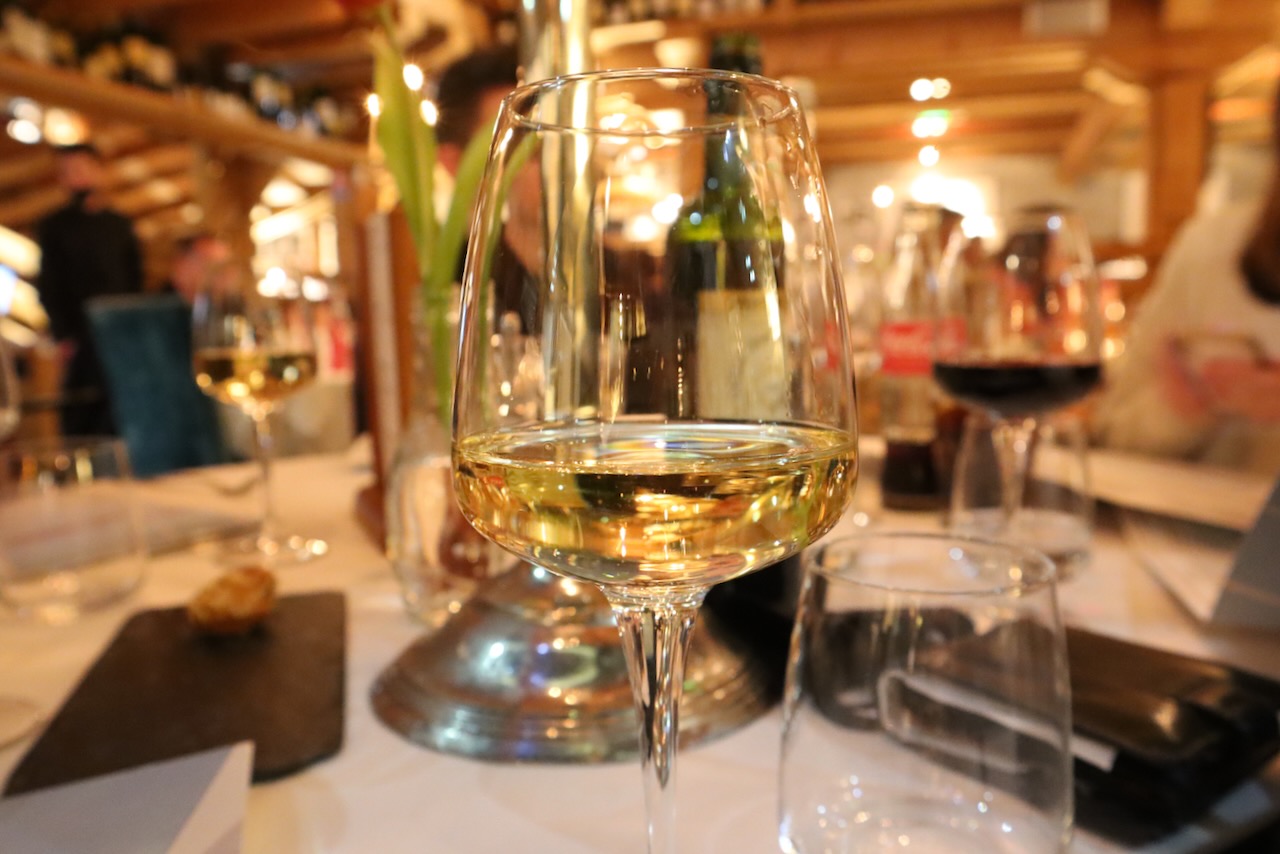
In the 21st century, a notable shift has occurred as consumers increasingly prioritize experiences over material possessions. According to Pine and Gilmore’s (1998) “experience economy” framework, consumers seek to engage in memorable events that evoke emotions and create lasting memories. Luxury brands are now focusing on crafting unique, immersive experiences that resonate with their clientele on a personal level. This concurs with our own experiences in the ski and summer alpine industry. Two decades ago, a hot tub, roaring log fire, fabulous wine and great food epitomised the luxury chalets offered in Chamonix and much of the Alps. Today, however, it is the whole experience, and while great food and wine, as well as luxury transfers, are important, discerning luxury clients now want to add memorable experiences away from the chalet and hotel in many cases. Inspired by Instagram and social media, this includes off-piste skiing and snowboarding, ice climbing, husky rides, equestrian days on the mountain, canoeing, climbing, the Tour de Mont Blanc, climbing Mont-Blanc, guided bike tours, learning a traditional craft, cheese making, wine tasting, cooking classes, you name it. Luxury is, nowadays, about creating something truly memorable and unique that they can both share while they are here and also back home with friends once they return home. A more profound, longer-lasting luxury experience as a consequence.
Influence of Technology
We mentioned Instagram earlier, and technological advancements have played a crucial role in reshaping the luxury sector. The rise of e-commerce and social media has changed how luxury brands interact with consumers. High-end brands now utilize digital platforms to enhance customer engagement and personalization, bridging the gap between traditional luxury experiences and the demands of a tech-savvy clientele. Virtual and augmented reality technologies offer innovative ways to create luxurious experiences that transcend physical boundaries. In the ski industry, people are already starting to use cleverly constructed videos to portray the luxurious nature of their offer from an experience perspective, as well as the hotels and chalets they visit. For the super luxury chalets, walk-through videos and 3-D plans, you name them before the clients even arrive.
Sustainability and Ethical Consumption
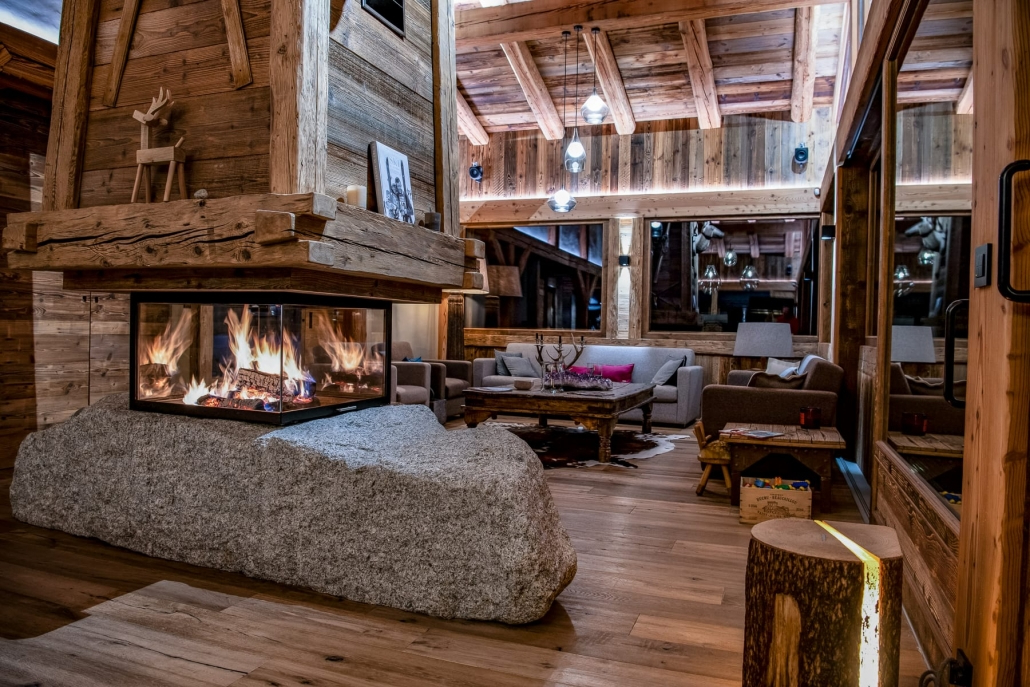
As awareness of environmental and ethical issues increases, luxury consumers demand sustainable and ethically produced goods. Brands emphasising eco-friendly practices and social responsibility are better positioned in the modern luxury market. The transition towards sustainable luxury reflects a broader trend wherein consumers value authenticity and are increasingly drawn to brands that share their values. The ski industry is no different, spearheaded by the need to reduce the impact of global warming on the ski holiday industry. Connecting with high-quality public transport (the Chamonix train system, for example), lift systems that reduce consumption, environmentally friendly snow making, gritted rather than salted roads to protect local ecology (e.g. river fish), luxury toiletries like the Bee Kind brand that we feature for chalet operators across the Alps, etc.
The Role of Cultural Shifts
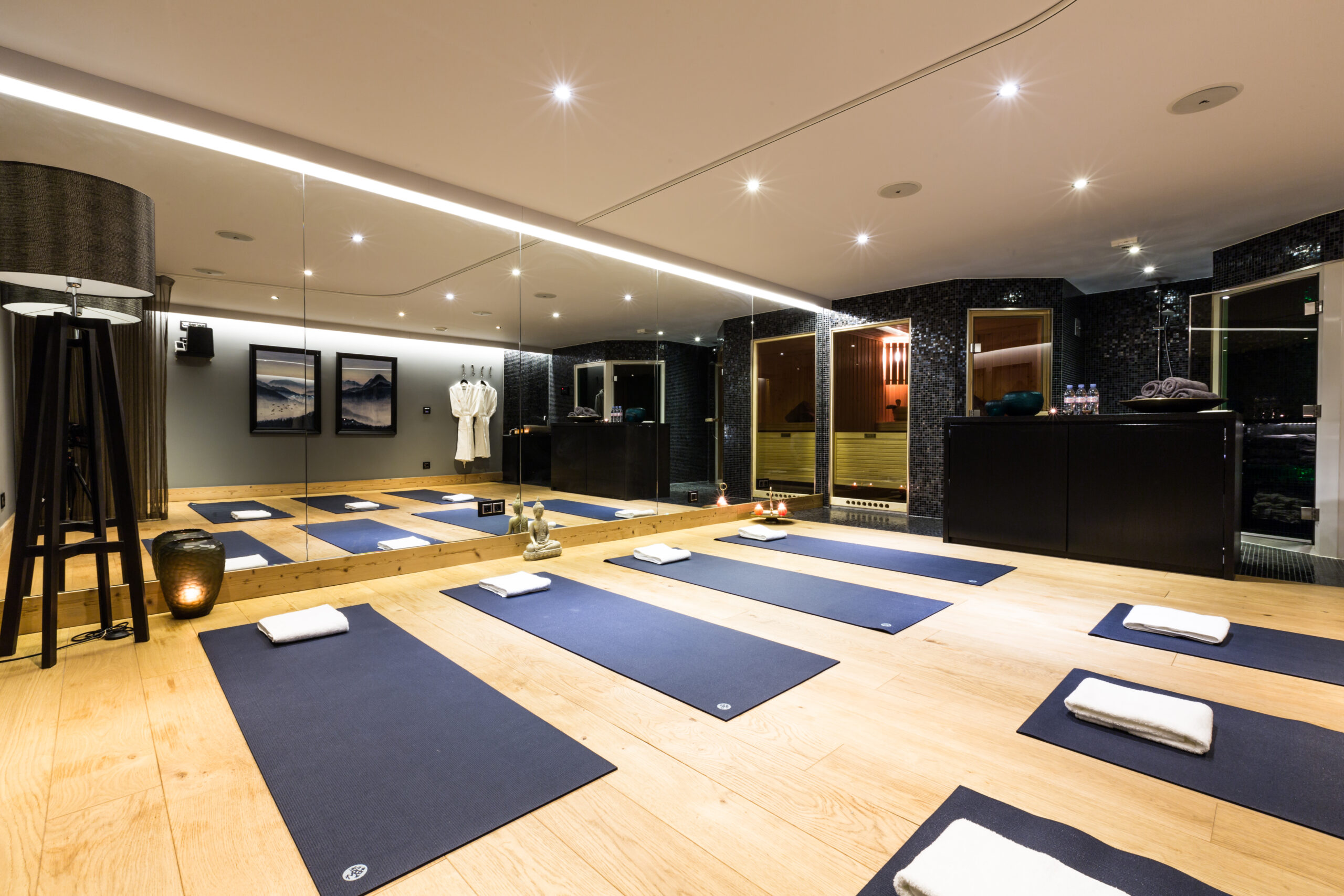
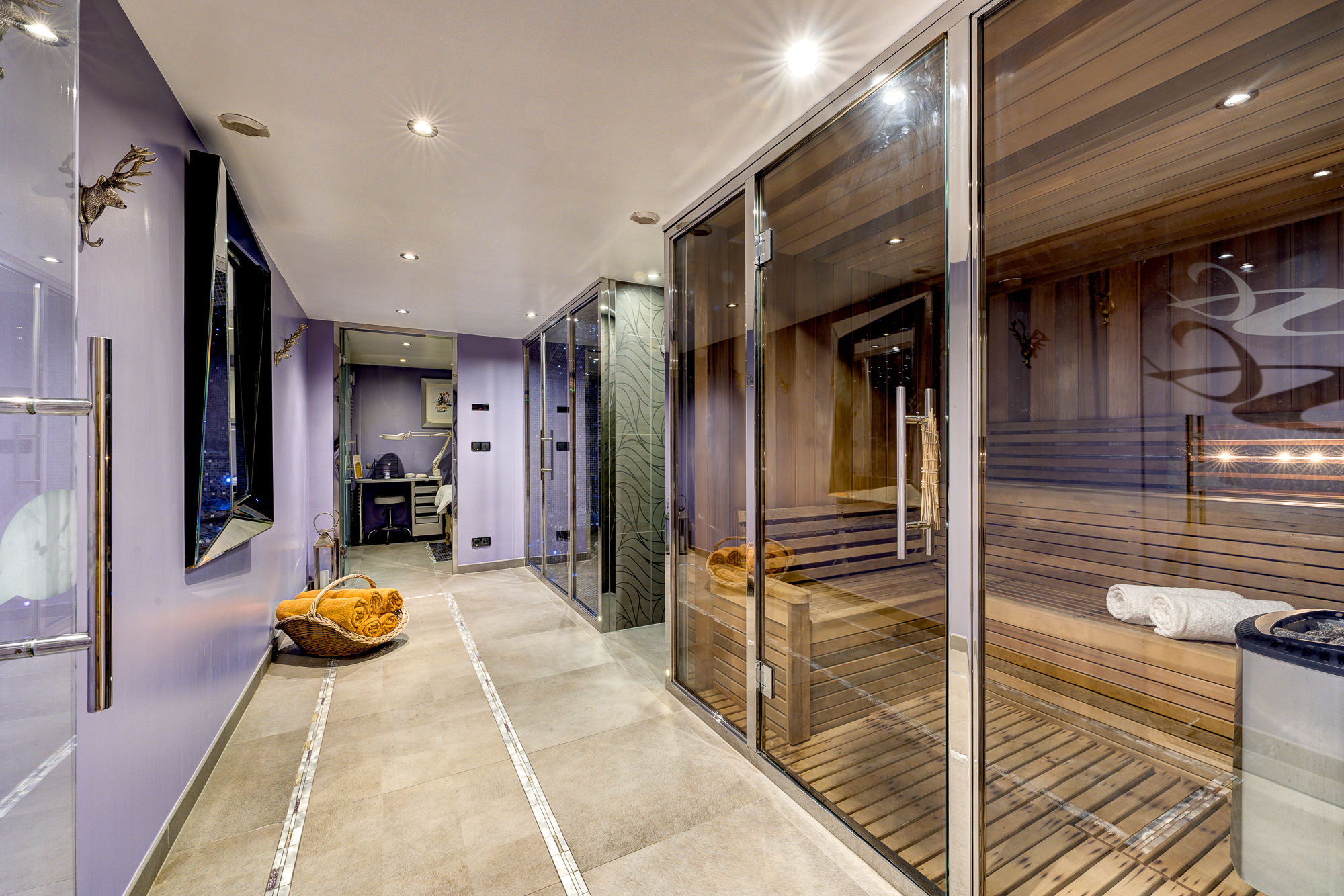
Moreover, cultural shifts towards health, wellness, and mindfulness have influenced luxury experiences. Wellness tourism, for instance, has emerged as a significant segment within the luxury market, where consumers seek rejuvenating experiences that promote physical and mental well-being. Luxury, defined by self-care and holistic experiences, represents a notable departure from traditional notions of excess. Whether this be yoga retreat weeks, spa weekends, learning or improving your arts and crafts skills, etc. Similarly, the back to nature luxury experience are reflected in the luxury ski holiday market by the growth in walking holidays, and bike tours.
Conclusion
The luxury experience continuously evolves, driven by changing consumer values, technological innovations, and cultural shifts. As the luxury landscape adapts, brands that embrace these changes and prioritize meaningful experiences will be better positioned to thrive in a dynamic market. Understanding this evolving nature and responding to the diverse needs of consumers will be crucial for the future of the luxury sector. Luxury holidays in Chamonix were once driven primarily around the accommodation and luxury ski holidays, but the summer and autumn, is now a significant part of the alpine holiday market. Today, luxury, non-skiing holidays contribute to nearly 40% of some (traditionally seen as) luxury ski operators who have recognised the move to experiences and well-being holidays.
Overall, it is excellent news for Chamonix and the alpine holiday sector. While Chamonix has always been seen as a summer resort to visit, climb, and walk Mont-Blanc, today it is viewed as a must-visit for not only these options but also luxury cycling, climbing, well-being, and extraordinary experiences (wine tasting, climbing, yoga, mindfulness weeks, spas, etc.).
References
1. Pine, B. J., & Gilmore, J. H. (1998). *The Experience Economy: Work Is Theatre & Every Business a Stage.* Harvard Business Review Press.
This article provides an overview of the evolving nature of luxury experiences in today’s market, highlighting the factors that drive these changes and their implications for brands and consumers.
Contact Us:

Connect With Us