Walking in the Alps

FrancesLCE5

28 March 2026

No Comments

5 Top Tips For Walking in the Alps

If you are planning a hiking holiday in the alps, here are our 5 tops tips  for walking in the Alps:


1. A Reasonable Level of Fitness To Get the Most Out of Hiking in the Alps


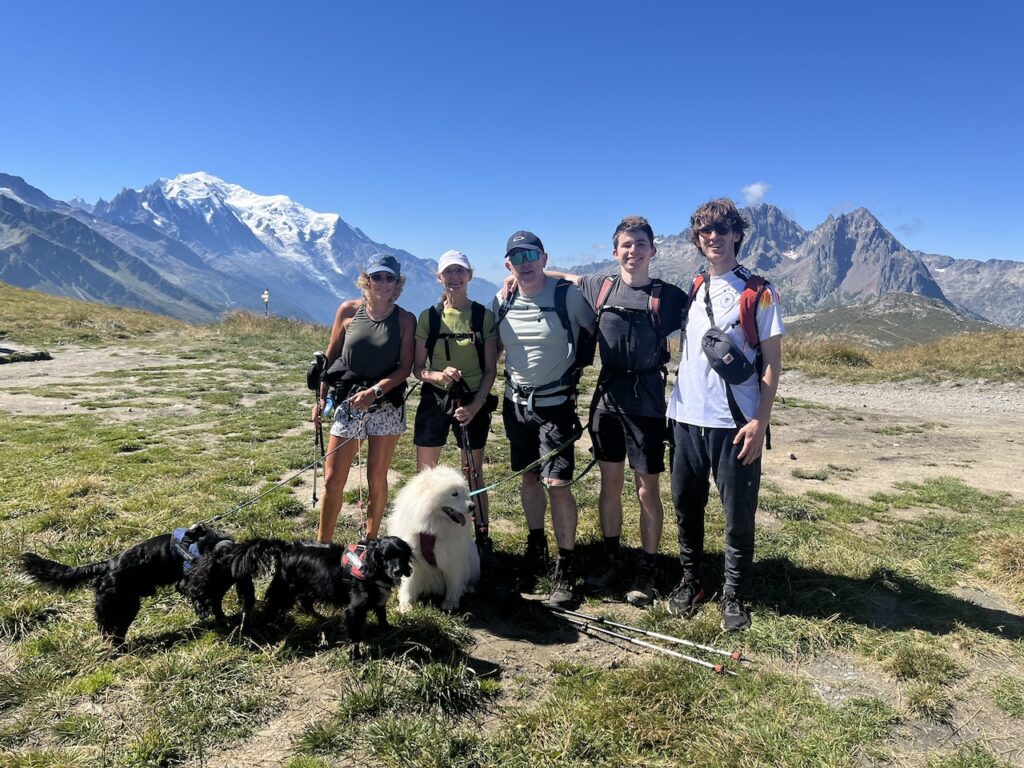
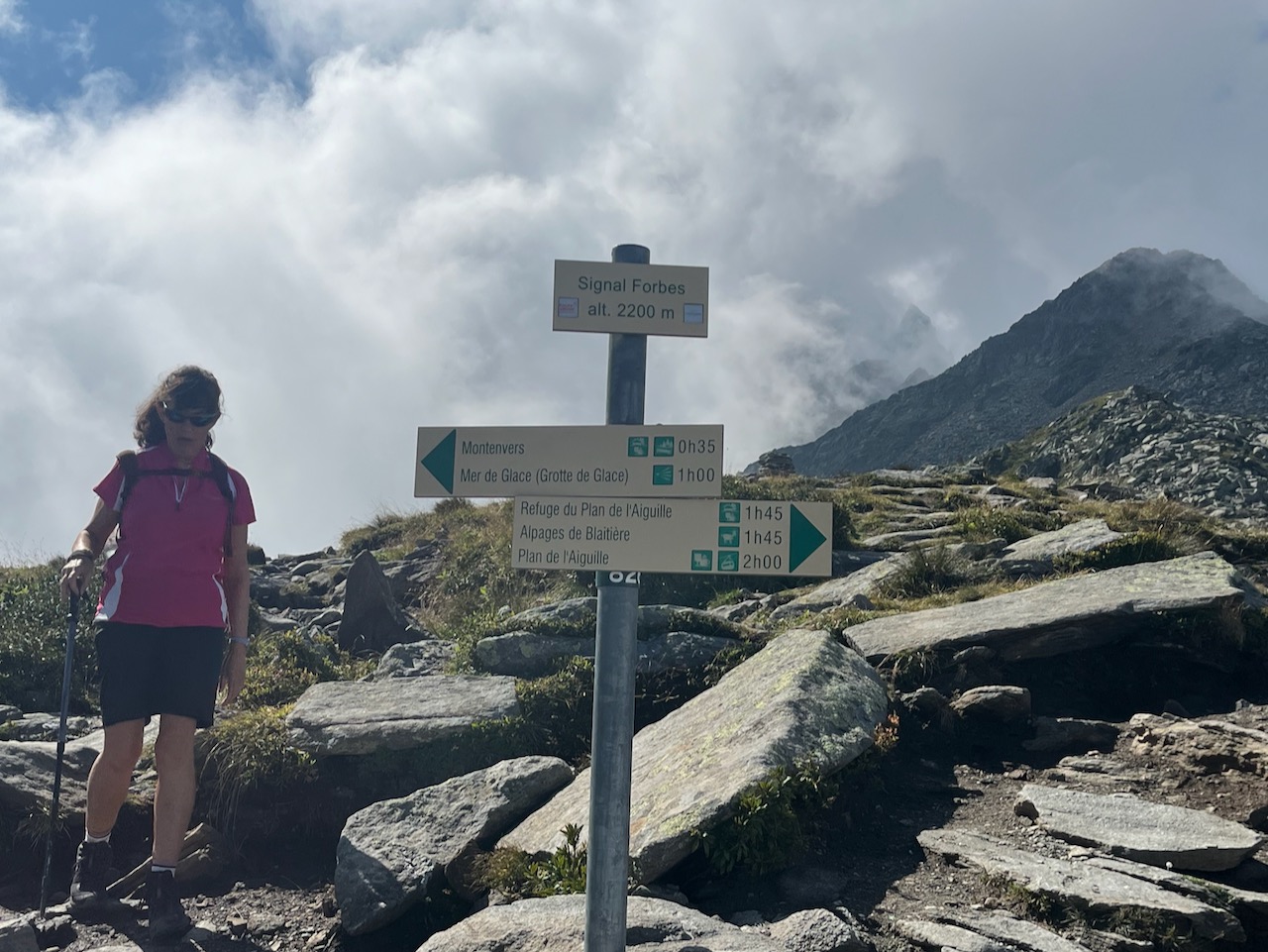
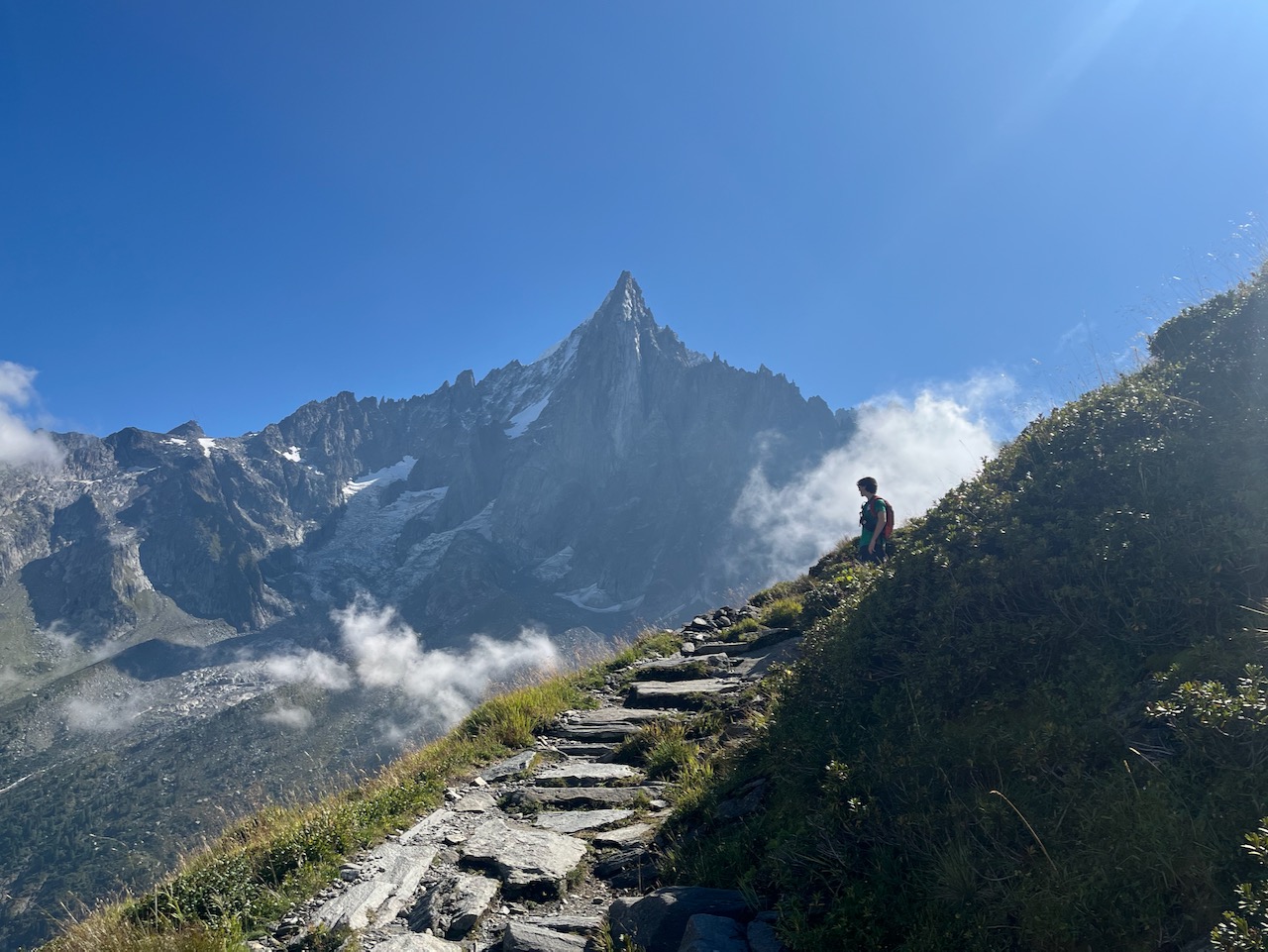
Walking and hiking in the Alps can be as easy, or as hard as you would like it to be. There are some beautiful low lying walks along the valley floor, through the forests, particularly here in the Chamonix Valley that most people can easily undertake. You can also take the cable cars and gondolas and take circular, or, slightly harder walks from one cable car to another. The Grand Balcon Sud is one such example. But to truly get the most out of the magnificent alpine scenery, and fresh air, a reasonable level of fitness is beneficial, as even when traversing from one lift, to another, or train, hiking the Grand Balcon Sud (Plan d’Aiguille to Montenvers) for example, some elevation, and a reasonable distance is involved.  This said, you don’t have to be super-fit, just comfortable of reasonable distance 3 to 5 miles, and comfortable going up and down a few hundred metres of ascent, so a few long, weekend hikes in your local area is generally suffice in most cases, as well as the essentials listed in our last top 5 tip for walking in the Alps.
Best activities in in Chamonix
Chamonix Walking Holidays

2. Check the Weather Forecast


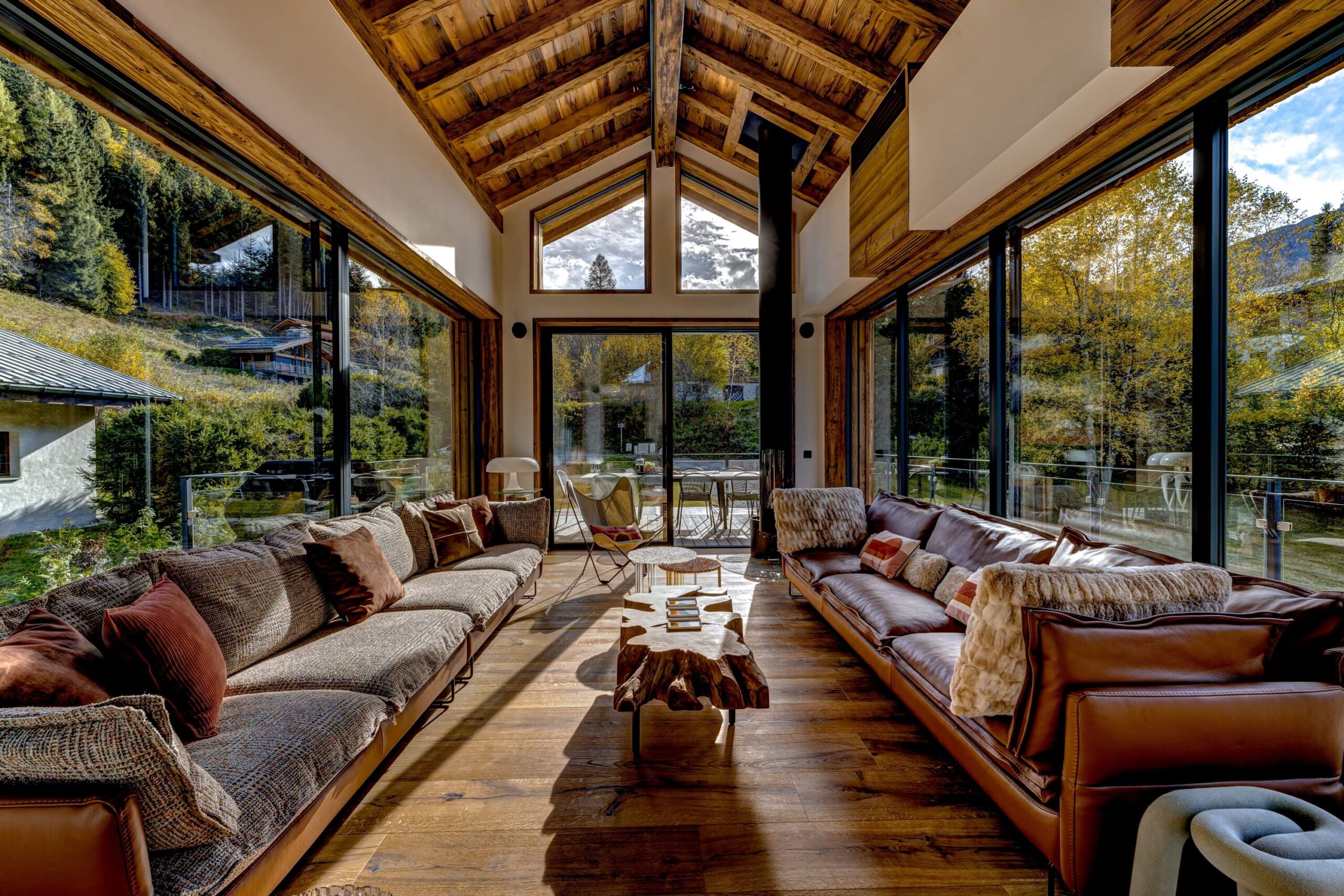
The weather can be unpredictable when you’re hiking in the Alps, so before you head out, always check the forecast. Will it be sunny, cloudy, rainy – or a mix of all? Occasionally, particularly after hot days, clouds bubbling up effect can also bring thunderstorms, so plan your route to ensure you are either in a nice hut at such times, or back in the comfort of your luxury chalet!


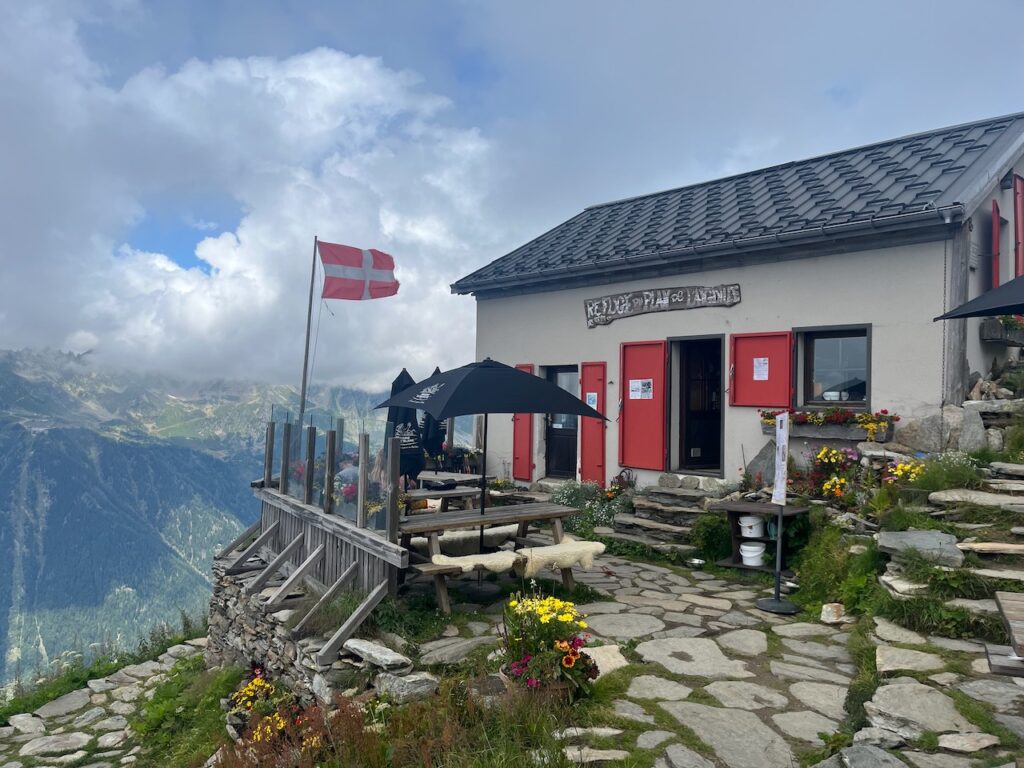
The localised forecasts are your best bet. Often, the local tourist board is a goldmine for up-to-date info. Here in the Chamonix Valley, we usually turn to Chamonix Meteo, but there are plenty of reliable options across the Alps. That’s not to say we ignore the standard weather apps (the ones that come preloaded on your phone), they’re fine for a quick glance, but from experience, I wouldn’t rely on them alone. If possible, check the forecast the night before and tweak your plans as needed. For example, hot periods can serve up some stunning sunny days, but by late afternoon, clouds can bubble up and bring heavy downpours, and from time to time, thunderstorms too. On forecasted days like this, we simply start a bit earlier, have an option to shorten the walk or a hut that we can shelter at, and still give the forecast another look in the morning, just in case the forecast and or timings change.

3. Planning and Executing Your Walking Route in the Alps


We have some great ideas on our best walks in Chamonix page, where we will help guide you too, and through some fabulous walks in the Chamonix Valley, but this aid should not override your own route planning before, and during your walk. Phone apps are good, and GPS devices even better, but sometimes one or both can fail, so a map and compass should, in our opinion, be your default choice. And know how to use both if you need to. We know these routes well, but in case of emergency, or severe weather changes, always have the map and compass at hand. And don’t be surprised how disorienting clouds can be when they cross the mountains and you are in the mist. A compass and a map are your friend in situations like this.

4. Rucksack, Walking Boots, and Clothing


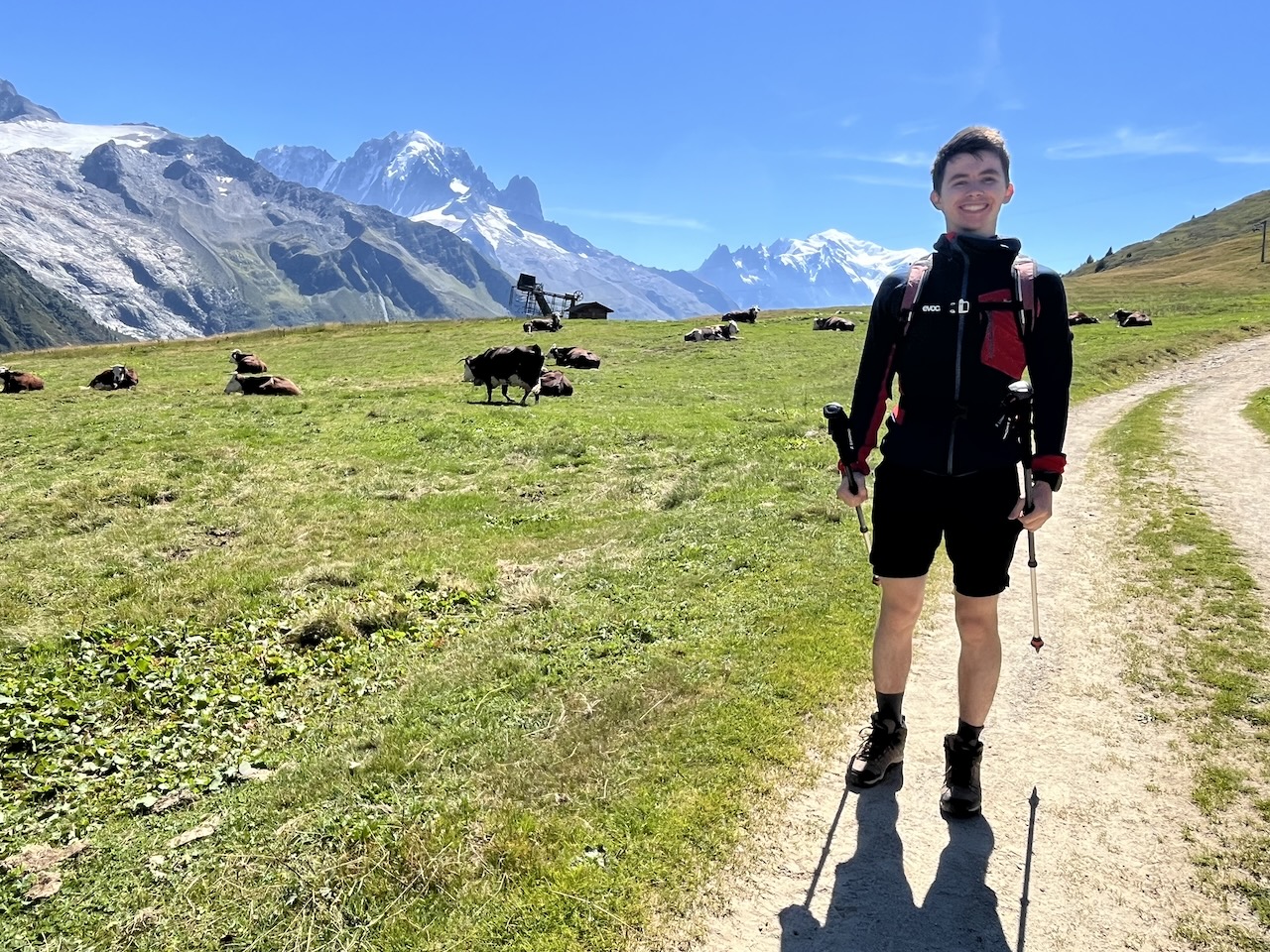
Walking boots are a great bet. We recommend something that is of course comfortable, supports the ankle, and ideally waterproof, with a good sole for hiking. In terms of clothing, layers are best anytime of year, but particularly early and late summer when they can fluctuate a little. Notwithstanding, the change in weather we mentioned. A wicking base layer, shorts are typically good, except wet days, a mid-layer fleece or similar, and a water-proof and wind-proof shell jacket. Wet weather trousers too if it is likely to rain. A peak cap is also valuable. Finally, as we want to layer, this is where the rucksack comes in handy. Somewhere to store items that you don’t need on at the time.

5. Hiking – Sun Cream (High Factor), Water, and Snacks


We may have squeezed two into one here, but we could not miss ay of these three essentials. Firstly, we have o many sunny days in the alps, and temperatures on sunny days can get well into the thirties degrees centigrade. Being higher altitude, the sun is also sstronger. Even on cloudier days, don’t be fooled, the suns rays will still be getting through and quite strong too. Then there is the water. Walking, least of all going up hill is thirsty work, least of all on one of the many sunny, hotter days. Finally, thesnacks, walking burns calories, and while there are lots of great buvettes and refuges to grab lunch, a bar, and a sandwich or two will never go amiss.

;